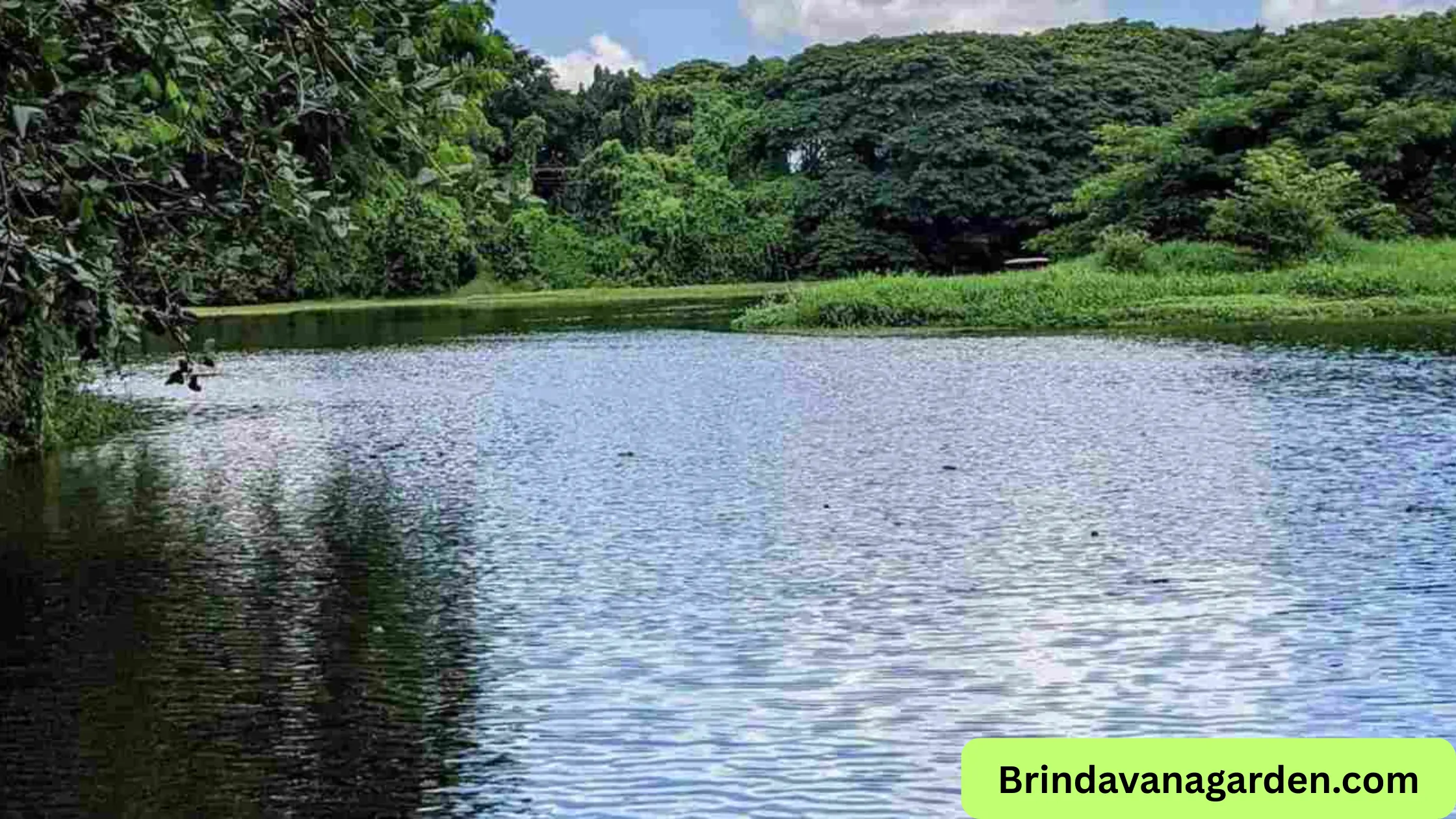
Many visitors add Karanji Lake to their Mysore itinerary at the last moment, often after visiting Mysore Zoo or before heading toward Chamundi Hills. However, one of the most common mistakes people make is arriving without checking the latest visiting hours and entry schedule. Unlike some city parks where visitors can walk in throughout the day, Karanji Lake follows fixed operating timings, and planning your visit around them can make a significant difference to your experience.
If you are looking for the latest Karanji Lake Mysore timings today for visitors in 2026, this guide covers everything you need to know, including opening hours, best visiting time, ticket information, activity timings, and practical tips that can help you enjoy the lake more comfortably.
Karanji Lake Mysore Timings 2026
Karanji Lake is generally open on most days of the week except the weekly maintenance closure day.
Visitor Timings:
| Details | Timings |
|---|---|
| Opening Time | 8:30 AM |
| Closing Time | 5:30 PM |
| Last Recommended Entry | 4:30 PM |
| Weekly Holiday | Tuesday |
Visitors are advised to arrive at least one hour before closing time if they wish to explore the walking trails, butterfly garden areas, bird habitats, and viewing points properly.
Timings may occasionally change during special events, maintenance work, or government notifications. Checking local updates before visiting is always a good idea.
Why Most Visitors Prefer Morning Hours
Although the lake remains open throughout the day, experienced visitors often prefer reaching between 8:30 AM and 10:30 AM.
There are several reasons for this:
- Pleasant weather
- Better bird activity
- Softer sunlight for photography
- Less crowd compared to afternoons
- Comfortable walking conditions
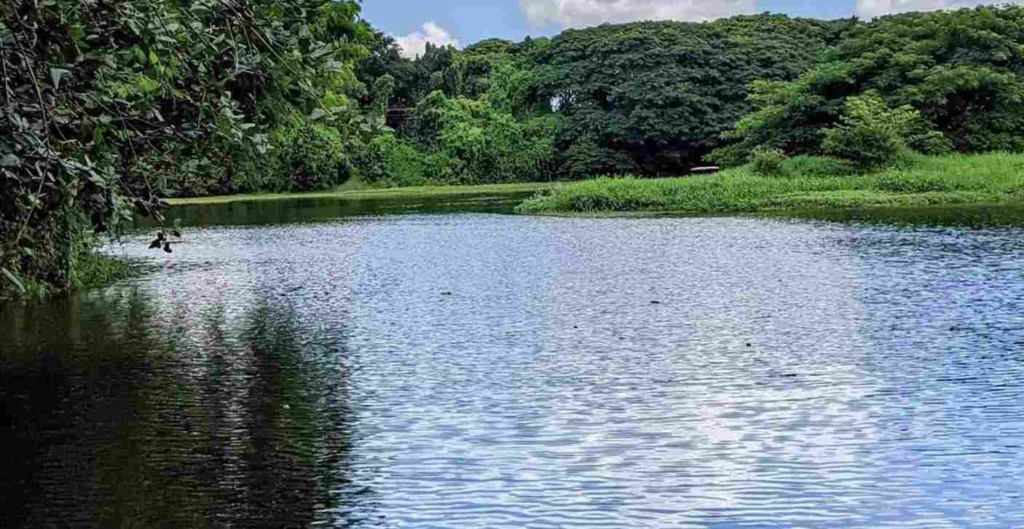
The lake surroundings feel noticeably quieter during the first few hours after opening. Water birds can often be spotted near the edges of the lake, and the walking paths remain relatively uncrowded.
One interesting observation is that many tourists visiting Mysore focus on major attractions like the Mysore Palace and Zoo, which means Karanji Lake remains comparatively peaceful during early mornings.
What Makes Karanji Lake Different from Other City Lakes
At first glance, Karanji Lake may appear to be just another urban lake. However, the experience is quite different.
The lake spreads across a large green zone and functions as both a recreational area and an important habitat for birds. Unlike lakes that are primarily designed for boating or entertainment, Karanji Lake offers a combination of nature, walking spaces, birdwatching opportunities, and environmental conservation.
Many visitors are surprised by how quickly the atmosphere changes after entering the park. Traffic noise fades away, replaced by bird calls and the sounds of wind moving through the trees.
This balance between nature and accessibility is one of the reasons Karanji Lake remains popular among both tourists and local residents.
Best Time of Day to Visit
Early Morning (8:30 AM – 10:30 AM)
Ideal for:
- Birdwatchers
- Nature lovers
- Photography enthusiasts
- Families with children
The temperature remains comfortable, and wildlife activity is generally higher.
Midday (11:00 AM – 2:30 PM)
Suitable for:
- Casual sightseeing
- Visitors combining the lake with nearby attractions
However, summer afternoons can become warm, making long walks less enjoyable.
Late Afternoon (3:00 PM – 5:30 PM)
Perfect for:
- Leisure walks
- Family visits
- Relaxing views of the lake
The softer evening light creates attractive reflections on the water and offers good photography conditions.
Entry Fee Information
Entry charges may be revised periodically by authorities, but visitors should expect a modest ticket fee.
Typically, ticket categories include:
- Adults
- Children
- Students (where applicable)
- Camera charges (if applicable)
Since fee structures can occasionally change, visitors should verify current ticket prices before their trip.
How Much Time Should You Spend at Karanji Lake?
A common question among tourists is whether the lake can be explored in 30 minutes.
Technically, yes.
But doing so means missing many of its highlights.
Most visitors find that spending between 1.5 and 3 hours provides a more enjoyable experience.
This allows time for:
- Walking along the lakefront
- Visiting bird habitats
- Exploring green spaces
- Relaxing at observation points
- Taking photographs
Those interested in birdwatching may spend even longer.
A Unique Insight Most First-Time Visitors Miss
Many people arrive expecting the lake itself to be the main attraction.
In reality, the surrounding ecosystem often becomes the highlight of the visit.
The combination of mature trees, bird habitats, walking trails, and open green spaces creates an experience that feels larger than a simple lake visit.
Visitors who rush directly to the water viewpoint and leave often miss some of the quieter sections where bird activity is highest.
A slower walking pace generally leads to a much better experience.
Birdwatching Opportunities
Karanji Lake has developed a reputation among bird enthusiasts due to its diverse bird population.
Depending on the season, visitors may spot:
- Cormorants
- Herons
- Egrets
- Kingfishers
- Pelicans
- Migratory birds
Bird activity is usually strongest during morning hours.
Carrying binoculars can significantly improve the experience, especially for visitors interested in wildlife observation.
Photography Tips for Visitors
Karanji Lake offers several photography opportunities throughout the year.
For better results:
- Visit during morning or late afternoon
- Avoid harsh midday sunlight
- Carry a zoom lens if photographing birds
- Use shaded trails for nature photography
- Look for reflections on calm water surfaces
Monsoon and post-monsoon months often provide especially vibrant landscapes due to lush vegetation.
Nearby Attractions You Can Combine with Karanji Lake
One reason the lake fits easily into a Mysore itinerary is its location near several popular attractions.
Many visitors combine it with:
- Mysore Zoo
- Chamundi Hills
- Mysore Palace
- St. Philomena’s Church
- Sand Museum
This makes Karanji Lake an excellent stop during a full-day sightseeing plan.
Best Season to Visit Karanji Lake
October to February
Often considered the most comfortable season.
Benefits include:
- Pleasant temperatures
- Greener surroundings
- Better walking conditions
- Good bird activity
June to September
Monsoon transforms the landscape with fresh greenery.
Visitors should carry umbrellas and expect occasional rain interruptions.
March to May
Summer visits remain possible, but mornings are strongly recommended to avoid afternoon heat.
Visitor Tips Before You Go
To make the most of your visit:
- Arrive early if possible.
- Wear comfortable walking shoes.
- Carry drinking water.
- Bring binoculars for birdwatching.
- Avoid visiting on Tuesdays.
- Allocate at least two hours for exploration.
- Carry a camera if you enjoy nature photography.
Small preparations can greatly improve the overall experience.
Final Thoughts
For visitors exploring Mysore in 2026, Karanji Lake offers a refreshing break from crowded tourist attractions. While knowing the latest timings is important, the real appeal lies in the peaceful environment, rich birdlife, and relaxed walking experience that the lake provides.
With visitor timings generally running from 8:30 AM to 5:30 PM and a weekly closure on Tuesdays, planning your visit is straightforward. Arrive during the cooler morning hours, slow down your pace, and take time to explore beyond the main viewpoints. Doing so often reveals why Karanji Lake remains one of Mysore’s most enjoyable nature destinations.
Read Also: Devaraja Market Mysore History and Facts Explained

Rahul Sharma is the founder and editor of BrindavanaGarden.com. He researches Brindavan Gardens, Mysore tourism, and nearby attractions using Karnataka Tourism resources, official websites, visitor reviews, maps, and trusted travel references. Every guide is carefully reviewed and updated to keep practical information such as timings, entry fees, travel tips, and visitor advice as accurate and useful as possible. His goal is to help travelers plan smoother, better-informed trips to Brindavan Gardens and the surrounding Mysore region.