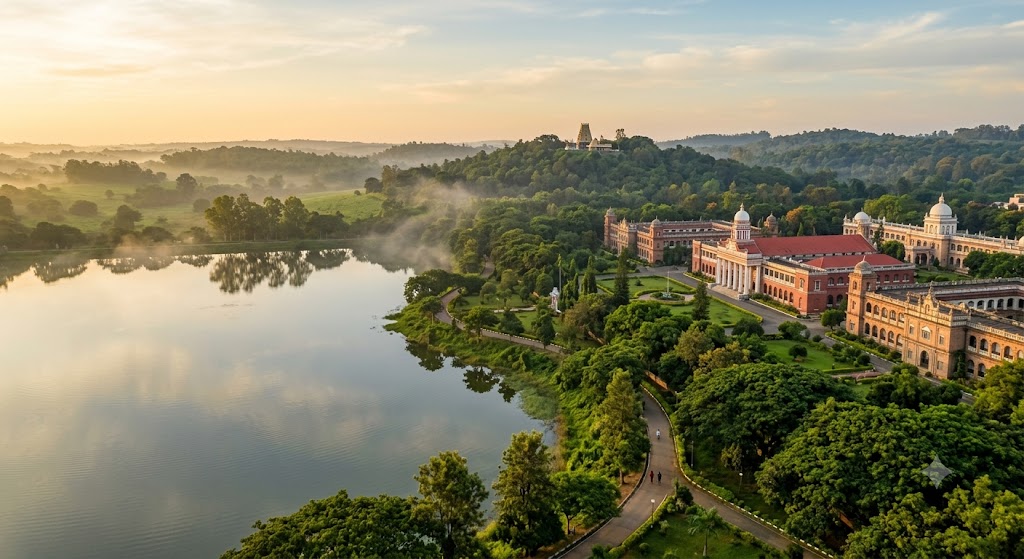
Type “hidden places in Mysore” into Google and you’ll get the same seven names, in the same order, on every third website: Karanji Lake, Jaganmohan Palace, the Rail Museum, GRS Fantasy Park. None of these are hidden. Karanji Lake sees a steady stream of visitors every evening, Jaganmohan Palace sits on most guided tour itineraries, and GRS Fantasy Park is a full-fledged water park with its own highway signage. Calling them “secret” doesn’t make them secret — it just recycles the same list.
This guide leaves those out. What follows are places that are genuinely less visited by tourists, even if some are well known to Mysoreans themselves. A few are hidden in the literal sense — tucked inside a university campus, unmarked on tourist maps. Others are better described as overlooked, underrated, or simply skipped because they don’t photograph as well as a lit-up palace at night. Where a place doesn’t quite deserve the word “hidden,” this guide says so.
A Brief Comparison of 15 Locations
| Place | Distance | Time Needed | Crowd Level | Entry Fee | Best Season | Best For |
|---|---|---|---|---|---|---|
| Jayalakshmi Vilas Mansion | ~2–3 km | 45–60 min | Low | Check before visiting | Oct–Mar | History lovers, photographers |
| Oriental Research Institute | ~2 km | 20–30 min | Very low | Free (grounds) | Oct–Mar | History buffs, researchers |
| Regional Museum of Natural History | ~2 km | 45–60 min | Low | Free | Year-round | Families with kids |
| Crawford Hall | ~2 km | 15–20 min | Very low | Free (exterior) | Oct–Mar | Architecture photographers |
| Lalitha Mahal Palace | ~10 km | 30–45 min | Low–moderate | Free (public areas) | Year-round | Couples, architecture fans |
| Kukkarahalli Lake | ~3 km | 60–90 min | Moderate (locals) | Free | Year-round | Walkers, birdwatchers |
| Lingambudhi Lake | ~5 km | 45–60 min | Low | Free | Year-round | Couples, quiet mornings |
| Shuka Vana | ~10 km | 30–45 min | Low | Check before visiting | Oct–Mar | Families with young children |
| Gomatagiri | ~20 km | 45–60 min | Low (except festival) | Free | Oct–Mar | Jain heritage interest |
| Suttur Mutt | ~16 km | 30–45 min | Low | Free | Year-round | Cultural and pilgrimage interest |
| Ganapati Sachchidananda Ashram | ~6 km | 30–45 min | Moderate (devotees) | Free | Year-round | Spiritual travelers |
| Varuna Lake | ~10 km | 2–3 hours | Moderate (weekends) | Paid, per activity | Oct–Mar | Adventure seekers, groups |
| Balmuri & Edmuri Falls | ~16 km | 1.5–2 hours | Moderate (weekends) | Free/nominal | Jun–Sep for flow | Families, casual outings |
| Somnathpur Hoysala Temple | ~35 km | 1–1.5 hours | Low | Paid (ASI ticket) | Oct–Mar | Architecture and history enthusiasts |
| Chunchanakatte Falls | ~40 km | 2–3 hours | Low–moderate | Free | Post-monsoon | Nature photographers |
Distances, drive times, and fee status are approximate and meant for planning, not as the final word — road conditions and entry rules shift with season, so treat this table as a starting point rather than a guarantee.
A few planning notes worth knowing upfront: the five in-city spots (Jayalakshmi Vilas Mansion, Oriental Research Institute, Regional Museum of Natural History, Crawford Hall, Kukkarahalli Lake) sit close enough together that autos or even a short walk can cover all of them in a morning. The day-trip destinations — Varuna Lake, Balmuri & Edmuri Falls, Somnathpur, Chunchanakatte — are where a private vehicle or hired cab genuinely pays off, since bus connections in these directions tend to be infrequent. If sunrise or sunset light matters to your plans, Lalitha Mahal and Somnathpur reward a well-timed visit, while Kukkarahalli and Lingambudhi lakes are at their best in the early morning stillness before the day’s heat sets in.
Hidden Places Inside Mysore City
Jayalakshmi Vilas Mansion (Folklore Museum)
This 1905 Indo-Saracenic mansion sits inside the University of Mysore’s Manasagangothri campus, which is exactly why most tourists miss it — it doesn’t read as a “sightseeing spot” on a map the way a standalone palace does. It was built for Princess Jayalakshmi Devi, the eldest daughter of Maharaja Chamaraja Wodeyar, and now houses the university’s folklore museum along with a natural history section.
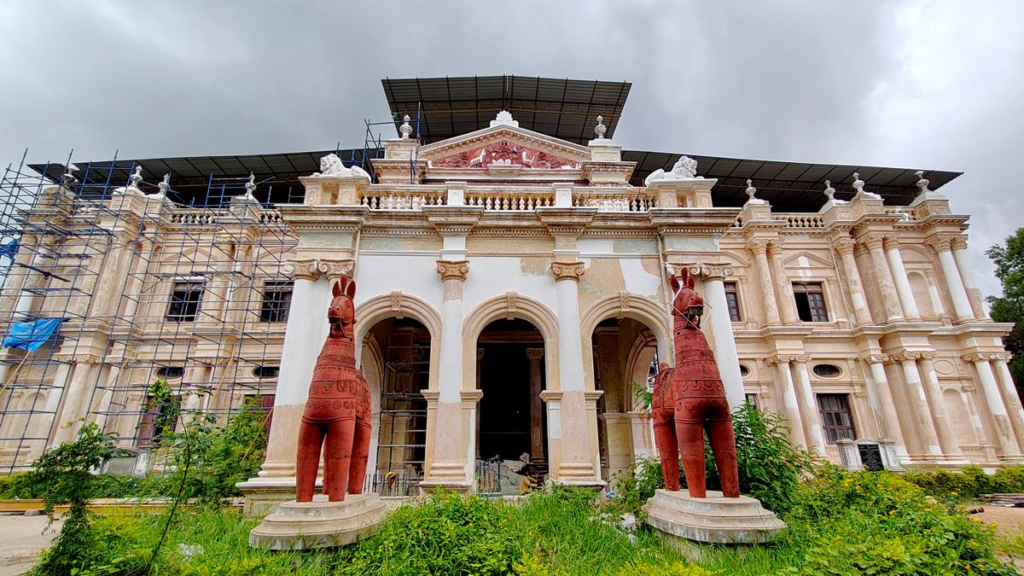
Inside, you’ll find a genuinely large collection of folk art, musical instruments, masks, and everyday objects gathered from across Karnataka, displayed inside a building with carved wooden ceilings and wide verandas that are worth seeing on their own. It’s less about any single showpiece and more about the cumulative effect of walking through room after room of regional craft, largely undisturbed by crowds — a different rhythm than the ticket-line experience at Mysore Palace.
Why most tourists miss it: It sits inside an active university campus rather than a marked tourist compound, so it simply doesn’t appear on the mental map of “places to see” the way a standalone monument does.
Best time to visit: Weekday mornings, when the campus is quiet and the museum sections aren’t affected by student footfall. Visit duration runs 45–60 minutes for a proper walk-through.
Good to combine with: Kukkarahalli Lake and the Oriental Research Institute are both within the same general campus area, so all three fit comfortably into one morning.
Who will enjoy it most: People interested in Karnataka’s folk culture, and photographers drawn to faded colonial-era interiors.
Entry protocols and museum section hours can shift with the academic calendar, and fee amounts for different sections have been reported inconsistently across sources — a quick local call ahead saves a wasted trip if you’re visiting on a specific day.
Oriental Research Institute
Founded in 1891 and still functioning as a manuscript library and research center, the Oriental Research Institute holds one of the largest collections of palm-leaf manuscripts in India — tens of thousands of them, covering subjects from Ayurveda to astrology to Sanskrit literature. It’s not built or maintained as a tourist attraction, which is precisely what makes it worth including here: almost no standard Mysore itinerary mentions it, despite its being a working institution with real historical weight.
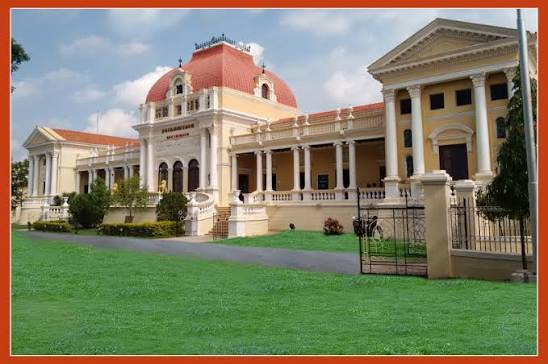
The building itself, with its Indo-Saracenic facade, is often visited more for its architecture from the outside than for what’s inside, since access to the manuscript collection is generally limited to researchers and scholars rather than casual visitors.
Accessibility: This is a functioning research institute, not a museum with a ticket counter — general public access to the interior may be restricted, so it’s realistic to plan for a viewing of the building and grounds rather than a guaranteed indoor tour. Visiting policy for outside visitors isn’t consistently documented, so it’s worth contacting the institute directly if you have a specific research interest.
Who will enjoy it most: History buffs, students of Indology, and anyone curious about how manuscript preservation actually works. Weekday mornings during working hours are the best window, and 20–30 minutes covers a standard visit — longer if you can arrange research access in advance.
Crawford Hall and Jayalakshmi Vilas Mansion are both a short walk or drive away, making this an easy add-on rather than a dedicated trip.
Regional Museum of Natural History
This one is a genuine surprise for most visitors, largely because it doesn’t market itself at all. Entry is free, and the museum is organized into sections covering biodiversity, evolution, and a temporary-exhibition wing, with taxidermied animals — leopards, tigers, bears — and a preserved Bryde’s whale skeleton as its centerpiece attraction.
It’s the kind of place that barely registers in standard Mysore travel content, possibly because “natural history museum” sounds less glamorous than a royal palace, but it delivers real value for the time it takes to walk through, especially for families traveling with children who want something more hands-on than another heritage building.
Don’t miss: the preserved Bryde’s whale skeleton in the Biological Diversity section — it’s the kind of exhibit that photographs well and gives kids something concrete to talk about afterward.
Free entry makes this an easy add-on to a city day rather than something requiring separate planning, and it pairs naturally with a stop at Mysore Zoo or St. Philomena’s Cathedral, both a short drive away. Weekday visits tend to mean smaller crowds and more room to read the exhibits properly; budget 45–60 minutes. Operating days and hours can shift around public holidays, so it’s worth a quick check before making it the centerpiece of your day.
Crawford Hall
Crawford Hall is the University of Mysore’s main administrative building, a colonial-era structure with a distinctive columned facade that most tourists drive straight past without realizing what it is. It isn’t set up for public tours — it’s a working administrative office — but the building and its surrounding grounds are worth a stop for anyone interested in Mysore’s British-era institutional architecture, which tends to get overshadowed by the more famous Wodeyar palaces.
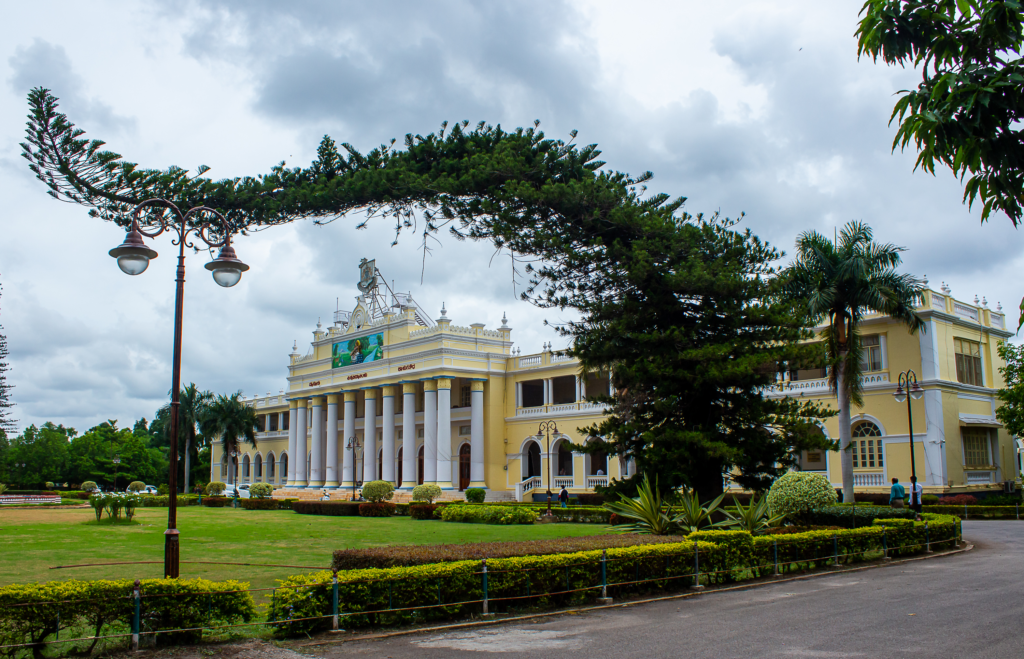
Photography tip: The columned facade catches good light in the mid-morning, and since there’s rarely anyone else around, you won’t be fighting for a clean shot the way you might outside Mysore Palace.
This is a 15–20 minute stop rather than a destination in itself — mostly exterior and grounds, since interior access isn’t offered to the public. It works best as a spontaneous add-on while you’re already near Jayalakshmi Vilas Mansion or Kukkarahalli Lake, rather than a special trip on its own. Access can be restricted during university events or official functions, so treat this as a drop-by rather than a fixed appointment.
Lalitha Mahal Palace
Built in 1921 as a guesthouse for the Viceroy of India, Lalitha Mahal is Mysore’s second-largest palace and now operates as a heritage hotel. It’s not unknown — anyone researching Mysore’s palaces will come across it — but compared to the daily crowds at Mysore Palace, it sees a fraction of the footfall, largely because most visitors don’t realize the public areas are open to non-guests.
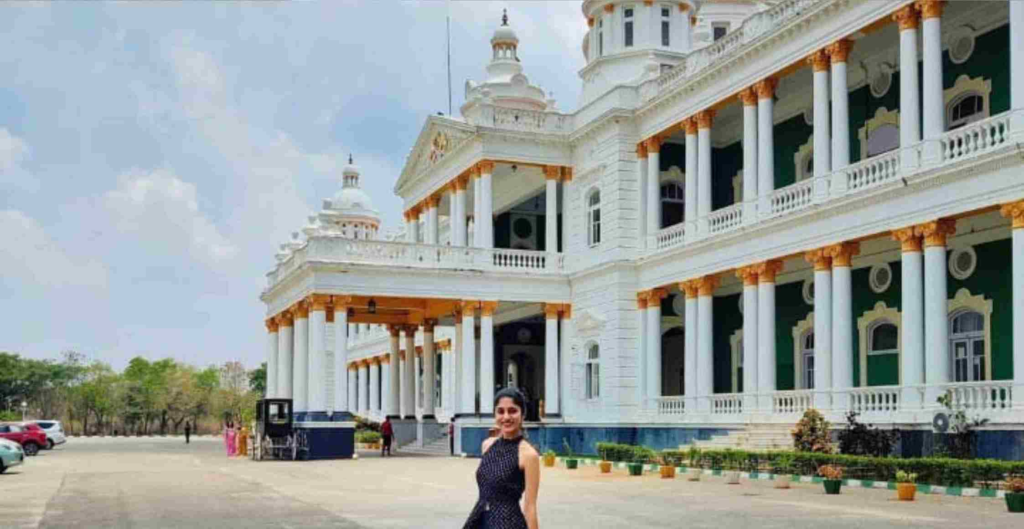
The white Indo-Saracenic facade, styled after St. Paul’s Cathedral in London, along with the Durbar Hall’s period furniture and Belgian crystal chandeliers, make it worth a stop even if you’re not staying overnight.
Local insight: Public areas are generally free to enter, but hotel services and interior sections beyond the lobby and gardens can involve separate charges — and since it’s an operating hotel, which wings are open to visitors varies with occupancy and events on any given day.
Seasonal note: Late afternoon light on the white facade photographs best, so this works well as a sunset-adjacent stop, ideally combined with a longer route out toward Chamundi Hills. Plan on 30–45 minutes for the public areas, longer if you stop for a meal.
Who will enjoy it most: Couples looking for a quieter heritage experience, and architecture enthusiasts.
Hidden Nature Spots
Kukkarahalli Lake
Kukkarahalli is a case where “hidden” doesn’t really apply — it’s one of the most popular walking and jogging spots for Mysoreans, with a 4.5-kilometer path around the lake used daily by residents of the University campus area. What makes it worth including is that despite this local popularity, it barely features on tourist itineraries, which stay focused on the Palace-Chamundi Hills-Brindavan Gardens circuit.
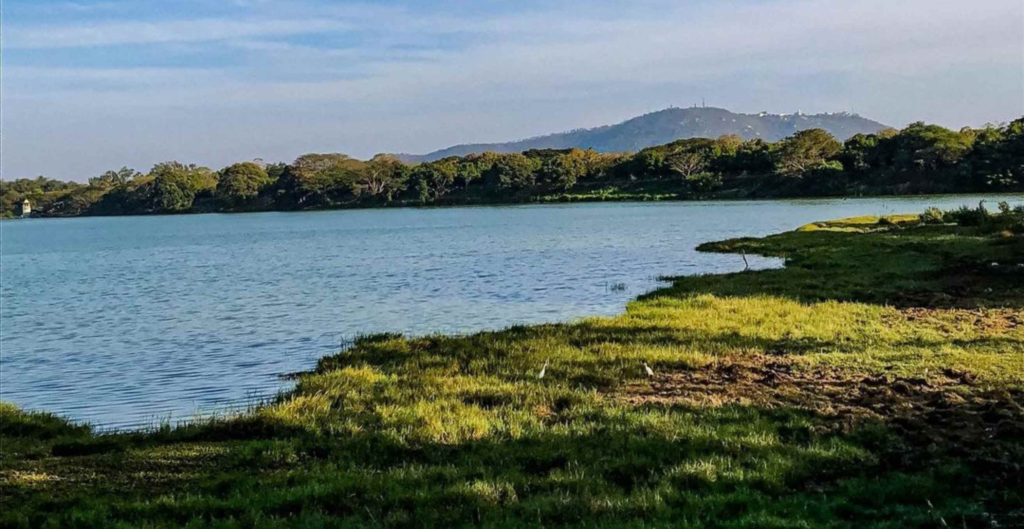
The lake supports a fair range of birdlife, particularly in the early morning, and the walking path itself, shaded and largely free of vehicle traffic, offers a different pace of experience than anything on the main tourist route.
Why locals love it, and tourists skip it: the 4.5-kilometer path is a genuine part of daily life for people living near the university, but it doesn’t have a single dramatic photo-op the way Brindavan Gardens does, so it rarely makes it onto a first-time visitor’s list.
Early morning, before 8 AM, or the hour just before sunset are the best windows, both for the light and for the birdlife. A full loop takes 60–90 minutes, though you can stop for less if you’re just passing through. The path gets uneven in patches, so footwear matters more here than at most other spots on this list. It’s an open public space with no ticketing, so there’s little to plan around beyond ordinary safety awareness if you’re walking alone at dawn or dusk. Jayalakshmi Vilas Mansion and Lingambudhi Lake are both within easy reach if you want to extend the outing.
Lingambudhi Lake
Quieter than Kukkarahalli and covered far less often in travel writing, Lingambudhi Lake is a large water body on the western edge of the city that draws mostly local walkers and birdwatchers rather than tourists. It doesn’t have the university-adjacent foot traffic that keeps Kukkarahalli relatively well known, which is part of why it stays under the radar even for people who’ve researched Mysore in some depth.
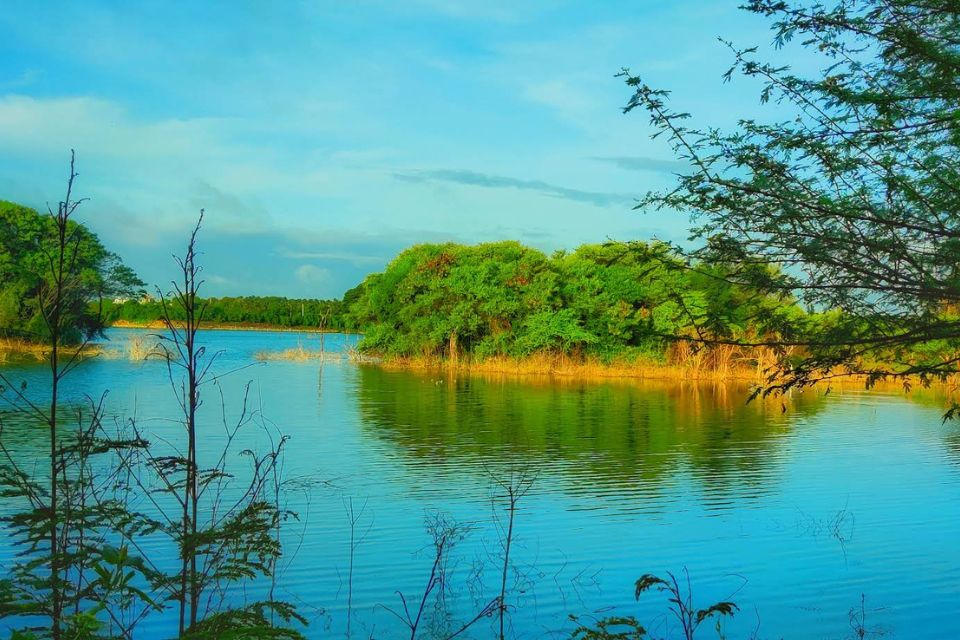
There’s noticeably less infrastructure here than at Kukkarahalli — fewer benches, less signage — so it suits visitors who are comfortable with a more low-key, unmanicured setting rather than a paved amenity. Early morning works best for birdwatching, early evening for a calmer walk; either way, 45–60 minutes is enough for a good visit. Conditions around the lake edge can vary seasonally, so it’s worth checking recent visitor reports before planning to walk the full perimeter. Pair it with Kukkarahalli Lake if you’d like to compare the two in one outing — couples in particular tend to prefer this one for its quieter pace.
Shuka Vana
Shuka Vana is a small park built around macaws and other birds, and it rarely appears in standard Mysore guides despite being a genuinely distinct experience — colorful, low-key, and easy to combine with a half-day of other stops in the same direction.
Worth the detour? Only as part of a longer route — it’s a smaller, more specific attraction than a full zoo, so it works best as one stop alongside Varuna Lake rather than a standalone destination. Cooler morning or late-afternoon hours suit it best, and 30–45 minutes is typically enough. Timings for smaller attractions like this can change without much notice, so a quick local check before heading out saves a wasted detour. Families with young children tend to enjoy it most.
Hidden Heritage & Spiritual Places
Gomatagiri
About 20 kilometers from the city, Gomatagiri is a hillock topped with an 18-foot statue of Bahubali (Gommateshwara), a significant Jain pilgrimage site that holds a major Mahamastakabhisheka festival once every twelve years. Despite its religious and architectural significance, it’s consistently left off mainstream Mysore tourist lists — it’s popular with the local Jain community and pilgrims but almost invisible in general travel content.
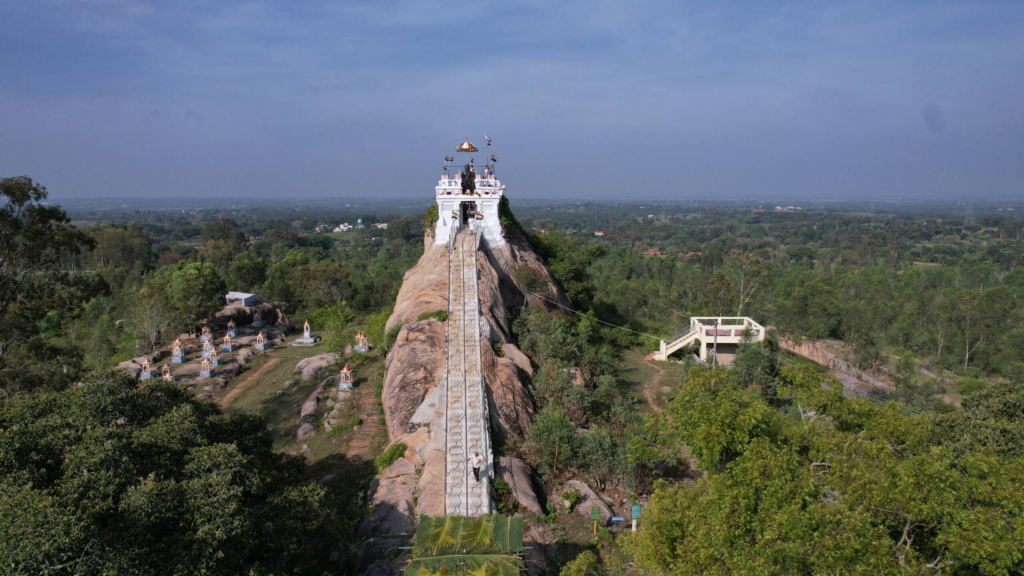
Accessibility: There’s a climb involved to reach the statue, so it’s not well suited to visitors with mobility limitations.
Seasonal note: Outside of the twelve-yearly Mahamastakabhisheka festival, this stays a quiet site — but during the festival itself, expect a very different experience with significant crowds, so it’s worth checking festival dates separately if timing matters to your trip.
Early morning or late afternoon avoids the midday heat on the climb; budget 45–60 minutes including the walk up. It works well folded into a broader day trip toward Srirangapatna, and suits visitors with an interest in Jain architecture and spirituality, or anyone who enjoys a modest hilltop climb with a view at the top.
Suttur Mutt
Suttur Mutt is a centuries-old monastery around 16 kilometers from Mysore, historically significant within Karnataka’s monastic and educational traditions but rarely mentioned outside pilgrimage-focused circles. It’s a working religious institution rather than a curated tourist site, which is part of why general travel guides skip past it.
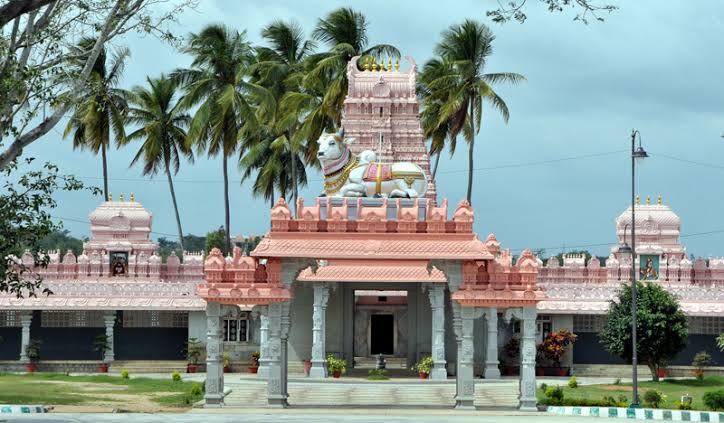
Morning hours suit it best, when the mutt’s daily routine is in full swing and there’s more for a visitor to observe — 30–45 minutes covers a respectful visit. Dress modestly and be mindful of ongoing rituals, as you would at any active religious institution, and note that visiting protocols can vary depending on whether a religious event happens to be underway; a local check is worthwhile if you’re going on a specific date rather than dropping in casually. It combines naturally with other stops along the Nanjangud–Mysore road, and suits visitors with a genuine interest in Karnataka’s religious and educational history rather than casual sightseers.
Ganapati Sachchidananda Ashram
Located about 6 kilometers from the city bus stand, this active ashram centered around a Dattatreya temple draws a mix of devotees and curious visitors, but it’s mentioned far more often in local recommendations and forums than in mainstream travel guides, which tend to skip religious institutions that aren’t also major historical monuments.
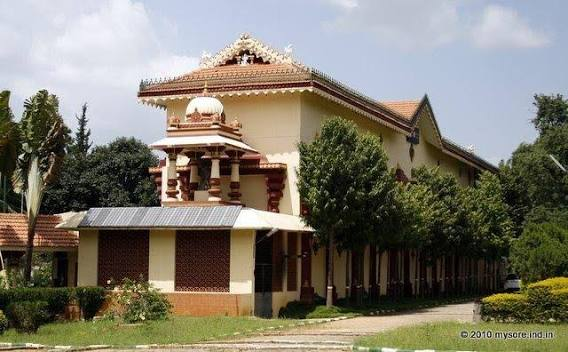
Things visitors often overlook: this is a functioning spiritual community with its own daily rhythm, not a static heritage site — arriving during a large gathering or festival day will feel very different from a quiet weekday morning, and visiting hours around specific rituals aren’t consistently documented online, so it’s worth checking locally rather than assuming.
Morning visits outside major gatherings work best, and 30–45 minutes is typical. Follow the dress and conduct guidelines posted on site, as you would at any active ashram. It suits visitors genuinely interested in a working spiritual community rather than those looking for a purely historical stop, and pairs well with a broader loop through the city’s southern neighborhoods.
Worthwhile Day Trips
Varuna Lake
About 10 kilometers from the city, Varuna Lake is run as a water-sports facility with kayaking, pedal boats, jet skis, zorbing, and similar activities. It opened around Dasara 2018 and, despite the range of activities on offer, still isn’t part of most standard Mysore itineraries, which tend to focus on heritage sites rather than adventure activities.
Things visitors often overlook: pricing here is typically pay-per-activity rather than a flat entry fee, so a group trying several activities should budget more than a single “entry ticket” figure would suggest. Water sports availability also depends on lake levels and season, so it’s worth confirming which activities are actually running before you go, particularly outside peak season.
Morning to early afternoon, before the heat sets in, is the best window, and 2–3 hours covers a proper visit if you’re doing multiple activities. It suits groups and families looking for an active break from sightseeing, and works well paired with Shuka Vana on the same route — a good addition if you’re building out a longer Mysore itinerary beyond the standard two-day circuit.
Balmuri & Edmuri Falls
These twin artificial waterfalls on the River Kaveri, about 16 kilometers from the city, are a well-known weekend spot for Mysore locals but rarely appear on tourist-facing lists, which tend to prioritize the more famous Brindavan Gardens fountains over these lower-key falls. Visitors can wade in the shallow stepped water, and during monsoon, coracle rides are typically available.
Seasonal note: cooler months make for the most comfortable outing overall, but monsoon season is when the falls are actually at their most dramatic — the trade-off is less predictable weather for the rest of your day. Water levels and safety conditions shift with dam release schedules upstream, so it’s worth checking current conditions before wading in, especially if you’re traveling with children.
Roadside stalls near the falls sell fried snacks, but shaded seating is limited, so carry water and sun protection. Plan on 1.5–2 hours, and pair the visit with Srirangapatna for a fuller day trip. Families and casual day-trippers tend to get the most out of this one.
Somnathpur Hoysala Temple
Located around 35 kilometers from Mysore, the Keshava Temple at Somnathpur is a well-preserved Hoysala-era temple known for its intricate stone carving, yet it’s consistently overshadowed by the more famous Hoysala temples at Belur and Halebidu, which sit further away in Hassan district. For visitors who don’t have time to travel that far, Somnathpur offers a comparable architectural experience much closer to Mysore, and still sees noticeably fewer visitors than the city’s main heritage sites.
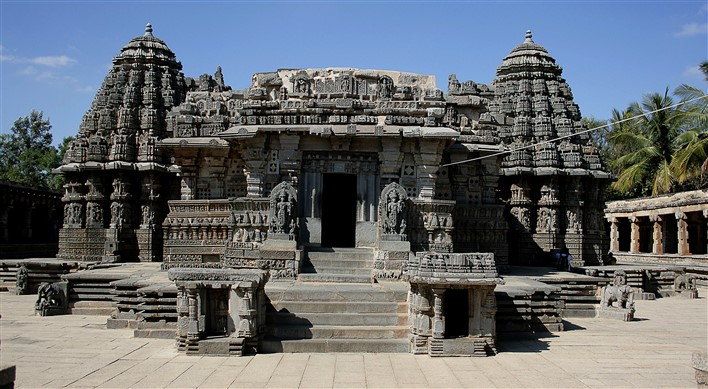
Worth the detour? Yes, particularly if Belur and Halebidu aren’t realistically on your route — the carving quality here holds up well by comparison, and the shorter distance makes it far more feasible as a half-day trip from Mysore.
Photography tip: early morning light rakes across the stone relief work at a low angle, which brings out detail that flattens out under midday sun. Photography is generally allowed on the grounds, though rules for the inner sanctum can vary, so it’s worth confirming on arrival.
Visit duration runs 1–1.5 hours, and as with any Archaeological Survey of India-protected site, opening hours are worth verifying directly rather than trusting a generic online listing, since these can differ from what’s published elsewhere. Architecture and history enthusiasts get the most out of this stop, and it combines well with a broader loop toward Talakadu.
Chunchanakatte Falls
About 40 kilometers from Mysore, Chunchanakatte is a lesser-visited waterfall on the River Kabini, with far less tourist coverage than the region’s more famous waterfalls. It works well as a half-day nature stop for visitors specifically looking to get away from built-up attractions.
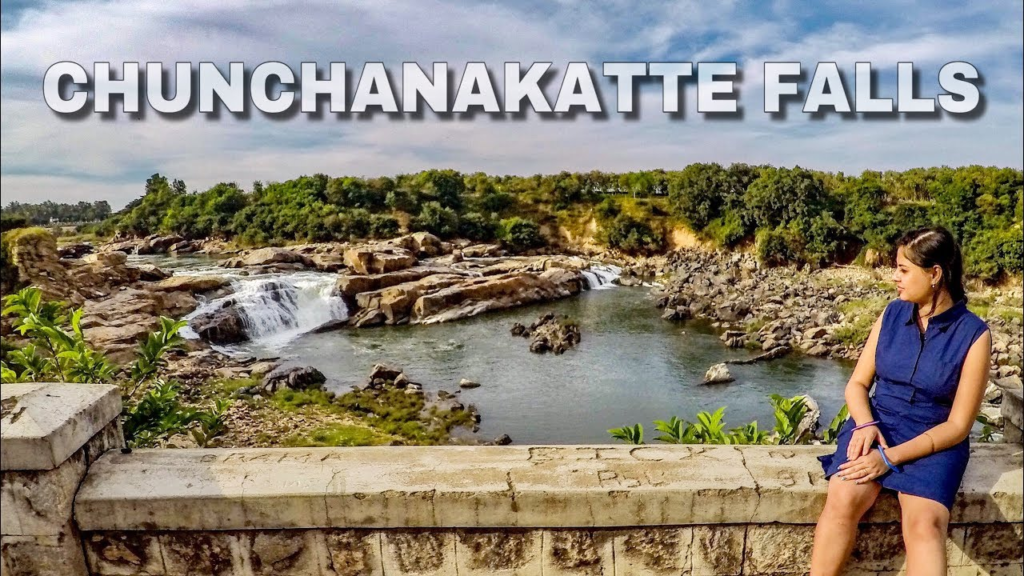
Accessibility: access roads and conditions can change with weather, particularly during and just after monsoon, so this is worth a direct check before setting out, especially if you’re driving yourself rather than joining a tour. Swimming or getting close to the water isn’t advisable at every point along the falls — ask locally which areas are considered safe on the day you visit.
Post-monsoon months bring strong water flow with more manageable conditions than peak monsoon itself, making that the sweet spot for a visit. Budget 2–3 hours including travel time, and expect this to work best as a genuine day-trip escape rather than a quick stop — nature photographers in particular tend to find it worthwhile.
Hidden Places for Photographers
If you’re specifically chasing photographs rather than just sightseeing, a few of these stand out: Lalitha Mahal’s white facade works best in late-afternoon light; the Oriental Research Institute and Crawford Hall both offer colonial-era architectural detail without the crowds that make photographing Mysore Palace or Jaganmohan Palace difficult; and Somnathpur’s stone carving rewards a slow, early-morning visit when the light rakes across the relief work.
Hidden Places for Couples
Lingambudhi Lake and the quieter stretches of Kukkarahalli Lake both work well for an unhurried morning or evening walk without the crowd density of Brindavan Gardens. Lalitha Mahal’s public areas, particularly around sunset, offer a similar sense of grandeur to the main Palace with a fraction of the foot traffic.
Hidden Places for Families
The Regional Museum of Natural History and Shuka Vana are both sized and paced well for children, without requiring a full day of walking. Balmuri & Edmuri Falls gives families a low-intensity outdoor outing with shallow water for kids to wade in, and Varuna Lake works for families with older children or teenagers looking for something more active. If you’re slotting these into a longer trip, they fit naturally as a second-day extension to a standard Mysore itinerary built around the Palace, Chamundi Hills, and Brindavan Gardens.
A Sample One-Day Hidden Mysore Itinerary
This route stays within the city and its immediate surroundings, so it doesn’t require a full day trip out of town.
- Morning: Start at Kukkarahalli Lake for a walk, then head to Jayalakshmi Vilas Mansion and the Oriental Research Institute, both close by.
- Midday: Stop at the Regional Museum of Natural History, then have lunch somewhere central.
- Afternoon: Drive out to Gomatagiri or Balmuri & Edmuri Falls, depending on whether you’d rather have a hilltop view or a waterside break.
- Evening: End at Lalitha Mahal Palace for the late-afternoon light on the facade, with an optional stop for tea or coffee before heading back into the city.
This is a suggested sequence rather than a fixed schedule — actual timing will depend on traffic, how long you linger at each stop, and whether any of these places have restricted hours on the day you visit.
Best Time to Explore These Places
October to March is generally the most comfortable window for exploring Mysore, including these lesser-known spots, thanks to cooler daytime temperatures. That said, the waterfalls on this list — Balmuri & Edmuri, and Chunchanakatte — are genuinely better during and just after monsoon (roughly June to September), when water flow is stronger, even though the weather is less predictable for the rest of your itinerary. If your trip centers on the waterfalls specifically, it’s worth weighing that trade-off rather than defaulting to the standard October–March window.
FAQs
Are these places actually unknown, or just less crowded?
Most of them fall into “less crowded” or “overlooked by tourists” rather than truly unknown — several, like Kukkarahalli Lake and Suttur Mutt, are well known to Mysore residents. What they share is being consistently left off mainstream tourist itineraries, which is the more accurate way to think about “hidden” in a well-documented city like Mysore.
Can I visit all 15 places in one trip?
Not comfortably. The city-based spots can be covered in one or two focused days, but the day-trip destinations (Somnathpur, Chunchanakatte, Varuna Lake) each need dedicated half-days of their own. Trying to combine too many in a single day usually means rushing through each one.
Do I need a private vehicle for these places?
For the in-city spots, autos and local transport work fine. For the day trips — Somnathpur, Chunchanakatte, Balmuri & Edmuri Falls, Varuna Lake — a private vehicle or hired cab is considerably more practical, since public transport connections to these areas can be infrequent.
Is it safe to visit these places alone?
Most are fine for solo travelers during daylight hours, though isolated spots like Lingambudhi Lake or the waterfalls are better visited with company or at least with someone aware of your plans, particularly during early morning or evening hours when fewer people are around.
Which of these places are completely free to visit?
The Regional Museum of Natural History, Oriental Research Institute grounds, Crawford Hall exterior, Kukkarahalli Lake, Lingambudhi Lake, Gomatagiri, Suttur Mutt, and Ganapati Sachchidananda Ashram don’t involve an entry fee. A few others — Jayalakshmi Vilas Mansion, Shuka Vana, Varuna Lake, and Somnathpur — do charge, and those amounts are worth confirming locally since they aren’t always consistently listed online.
Which places are best during monsoon?
Balmuri & Edmuri Falls and Chunchanakatte Falls are genuinely better during and just after monsoon, when water flow is at its strongest. Everything else on this list — the lakes, museums, and heritage buildings — is more comfortable to visit in the drier October-to-March window.
Can any of these be reached by public transport?
The five in-city spots and Kukkarahalli or Lingambudhi Lakes are all reachable by auto-rickshaw or city bus without much difficulty. The day-trip destinations are the ones where public transport gets impractical — infrequent routes make a private vehicle or hired cab the more realistic option.
Which of these are best for photography?
Lalitha Mahal in late-afternoon light, Somnathpur’s carved stonework in early morning, and Crawford Hall’s colonial facade all stand out — see the Photographers section above for the full reasoning behind each pick.
Which are best suited to families with children?
Regional Museum of Natural History, Shuka Vana, Balmuri & Edmuri Falls, and Varuna Lake are the most family-friendly on this list — see the Families section above for what makes each one work for different age groups.
If you’re planning a longer Mysore trip, this list works well alongside a standard sightseeing route — think of it as what to add on a second or third day, once the Palace and Chamundi Hills are already covered.
check this guide if you really want to visit mysore: 2 Days in Mysore: Complete Travel Itinerary for Families and Couples
Rahul Sharma is the founder and editor of BrindavanaGarden.com. He researches Brindavan Gardens, Mysore tourism, and nearby attractions using Karnataka Tourism resources, official websites, visitor reviews, maps, and trusted travel references. Every guide is carefully reviewed and updated to keep practical information such as timings, entry fees, travel tips, and visitor advice as accurate and useful as possible. His goal is to help travelers plan smoother, better-informed trips to Brindavan Gardens and the surrounding Mysore region.