If you’re heading to Brindavan Gardens with a camera, the questions that actually matter are simple: where should you stand, when should you go, and what should you check about DSLR or tripod use before you get there? This guide answers those questions directly, based on how the garden is actually laid out and how its light, crowds, and fountain schedule tend to behave through the day.
Is Photography Allowed at Brindavan Gardens?
Yes, general photography is allowed throughout the garden with a standard entry ticket. Mobile phone photography does not usually attract any extra charge, and most visitors shoot the entire garden — lawns, fountains, flower beds — on their phones without any issue.
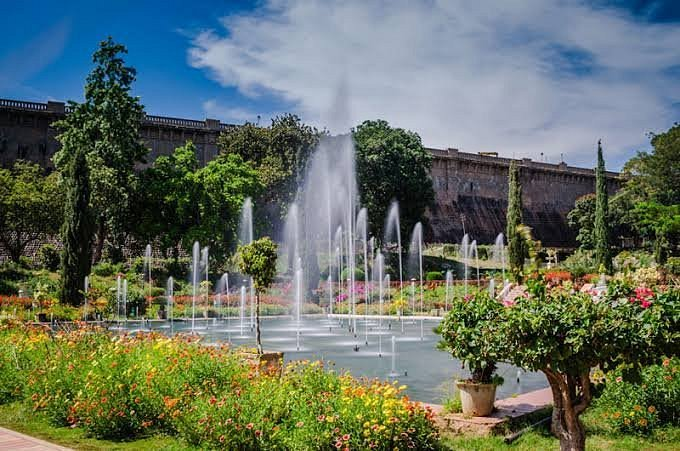
Where it gets less straightforward is equipment beyond a phone. Charges for still cameras and video cameras have been reported inconsistently — some visitors mention a separate fee for DSLRs and a higher one for camcorders, others none at all — and the same goes for tripods, which may or may not need prior permission depending on who you ask. None of this is settled enough to print as fact, so the practical move is to check at the entry counter when you arrive; the Brindavan Gardens Entry Fee breakdown covers standard ticket pricing, though camera-specific charges are best confirmed on the spot rather than looked up in advance. The same uncertainty applies to drones — restrictions are typical for gardens of this kind, but it’s worth a direct word with staff before you plan a shot around one.
Mobile Phone or DSLR — What Should You Actually Bring?
For most visitors, a modern smartphone is genuinely enough. Brindavan Gardens photographs well because of its symmetry, colour, and scale — a wide-angle phone shot of a terrace or a fountain in bloom does most of the visual work for you. Phones also handle the low-light evening illumination reasonably well now, especially with night mode, and you won’t be fumbling with settings while trying to also enjoy the visit.
A DSLR or mirrorless camera earns its place if you specifically want the musical fountain show at night, want shallow depth-of-field portraits with the terraces blurred behind your subject, or plan to print or publish the images. The trade-off is a possible equipment fee at the gate, the extra weight on what is a long walk, and the fact that changing lenses in a crowded evening setting isn’t always comfortable. If you’re bringing one, a single versatile zoom lens (something like 24-70mm equivalent) will cover almost everything here — you won’t need to carry more than that.
If photography is a side activity and not the main reason for your visit, leave the DSLR at the hotel. If it’s the reason you’re going, bring it, and leave a small buffer of time at the gate in case there’s an equipment formality to sort out.
Best Time of Day for Photography
Brindavan Gardens photographs completely differently depending on when you arrive, and this matters more than which lens you bring.
Late afternoon gives you the garden in full daylight — the lawns are green, the flower beds show true colour, and the terraced layout is easiest to compose because you can actually see the depth of the three levels. This is also generally before the evening crowd builds up, so wide shots of pathways and terraces are less likely to have strangers walking through your frame.
Golden hour, moving into dusk, is the best window for anyone who wants both daylight character and the start of the evening atmosphere. The light turns warm, shadows lengthen across the lawns, and you can still shoot the garden’s structure clearly before it gets dark. This is also roughly when visitors start drifting toward the fountain viewing gallery, so if you want the terraces without company in the frame, this is close to your last easy window.
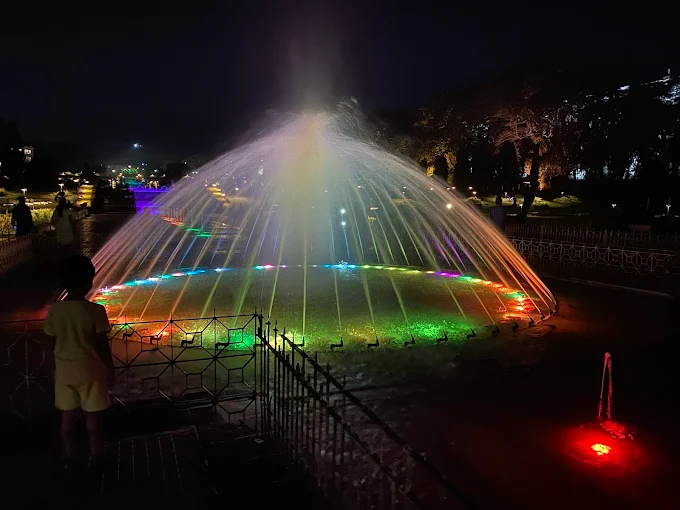
After dark, once the evening illumination begins, the garden becomes a different subject entirely. Fountains and terraces are lit in colour, and this leads into the musical fountain show, which is the shot most people come for. It’s also when the garden is at its most crowded and hardest to photograph cleanly, since almost everyone converges on the same viewing areas at once. Illumination and fountain-show timings shift with the day of the week and season, so it’s worth checking the current musical fountain schedule and garden timings closer to your visit rather than working off a fixed clock, and confirming again once you’re at the gate.
Weekends noticeably change this picture. The garden fills up much faster on Saturdays and Sundays, and the fountain gallery in particular can feel packed well before the show itself starts. If you’re visiting on a weekend and photography is a priority, arriving earlier than you think you need to — well before dusk — buys you a meaningfully better spot than showing up right as illumination begins. Weekdays are calmer throughout, and the difference is most noticeable at exactly the spots and times covered below.
If you only have time for one visit, arriving by late afternoon lets you capture both worlds — natural light first, illumination later — without rushing. Which season suits your priorities best is worth thinking through separately, since the light and the crowds both shift with the time of year.
Best Photo Spots Inside the Garden
The Main Gate and Rose Garden
The entrance arch creates one of the garden’s strongest first photo opportunities, and it’s usually the least crowded photo stop of the day simply because everyone passes through it on the way in rather than lingering. The symmetrical rose gardens flanking either side of the gate work well for a straightforward establishing shot — the archway gives you a natural frame, which makes this a reliable spot for family group shots, couple portraits, and solo photos alike. If you’ve come by your own vehicle, this is also close to where you’ll have parked, so it’s worth pausing here on the way in rather than assuming you’ll circle back later.
North Brindavan’s Terraced Lawns
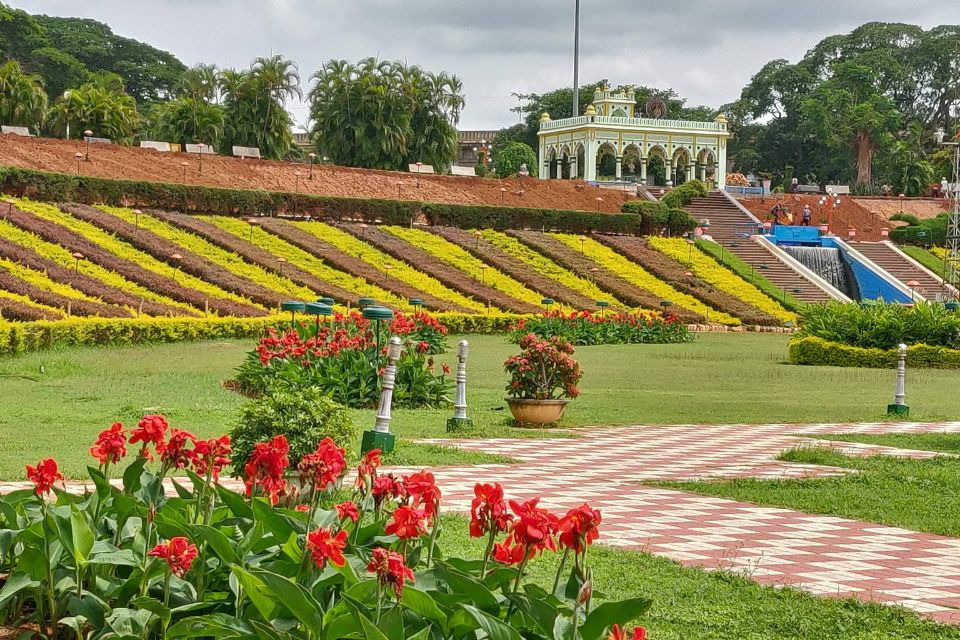
This is the section most people picture when they think of Brindavan Gardens: four large terrace levels stepping down, each with its own lawns, hedges, and flower beds. Shoot from the top terrace looking down and you get the full symmetry of the layout in one frame — this is consistently mentioned as the strongest vantage point in the garden for a landscape shot, and it doubles as one of the best spots for wide family group photos, since the elevation means you don’t need anyone standing awkwardly to fit the whole group in.
Walking down through the terraces level by level gives you a different photo at each stage — closer views of individual flower beds, hedgerows, and fountains that get lost in the wide shot from the top. This lower stretch also tends to stay walkable even when the garden is otherwise busy, since most weekend crowds cluster near the main gate and the fountain gallery rather than spreading evenly across all four terraces. If you want the top-terrace view without other visitors in frame, arriving on a weekday or getting there before the late-afternoon rush on weekends makes a real difference.
The Cauvery Statue and Kaveramma Circle
The area around the Cauvery Statue in South Brindavan is one of the more popular spots for portraits, largely because the surrounding fountains give you a busy, photogenic background without needing to walk far. It’s a solid stop for couple photos and solo portraits in particular, though because it’s a known landmark, expect other visitors waiting for their turn at the same angle — this holds true most afternoons but becomes far more noticeable on weekend evenings, when a short wait for a clear shot is fairly normal rather than an exception.
The Musical Fountain Viewing Gallery
This is where most of your night photography will happen, and it’s the single busiest spot in the garden once illumination begins — visitors start gathering at the railings well ahead of the show itself, and by the time the fountains are in full swing, the front rows are usually taken. If an unobstructed view matters to you, especially for video, arriving before the crowd builds is worth the trade-off; on weekends the gap between arriving early and arriving on time matters even more, since the gallery fills noticeably faster than on weekdays. In practice, the opening few minutes of the illuminated fountain display are often the easiest time to capture cleaner photos before more people gather along the railings. Handheld shots work fine here if your phone or camera handles low light reasonably well; a tripod would help given the slower shutter speeds after dark, but check with staff before setting one up, the same as with any other equipment.
The Boat Ride Route
If you take the short boat ride across to the fountain area, you get a different perspective entirely — the garden and terraces from water level, which most visitors on foot never get. It’s a good option for solo travellers and small groups who want photos that don’t look like everyone else’s phone gallery from the same trip, and there’s less competition for the shot, since fewer visitors bother with it compared to the main walking route. Boating tends to run earlier in the day rather than after dark, so it’s worth building into your plan before you shift into evening illumination photography rather than after. The KRS Dam adjoining the garden is also worth a short detour if you have time — walking along the dam bund gives you a completely different, wide-open view of the reservoir.
The Glass House and Nursery Section
Smaller and quieter than the main terraces, this area is worth a stop if you want close-up shots of individual plants, cacti, and flowering material rather than wide garden views. It stays noticeably less crowded than the main terraces even on busy weekends, which makes it a good choice for solo photographers after people-free shots of the plant life, or for anyone who wants a break from the crowd before heading toward the fountain gallery later in the evening.
Planning Your Photography Around Who You’re Travelling With
If you’re visiting with children, it’s worth doing most of your photography before the fountain crowds build — the open, flat terraces and the main gate area are easier to manage with kids in tow than the packed viewing gallery after dark, where it’s harder to keep track of them and low light makes phone photos trickier anyway. If the fountain show still matters to your family, plan to arrive well ahead of it and stake out a spot rather than trying to work your way to the front once it’s already crowded.
Couples generally get more out of the daylight and golden-hour window than the evening rush — warm, flattering light does more for a portrait than the colour-cast lighting after dark, and the popular portrait spots are easier to use without a queue earlier in the day.
Solo travellers have the most flexibility of any visitor type here, since there’s no group pace to manage. This is the easiest way to work the quieter corners of the garden — the glass house section, the lower terraces — at your own speed, and to still make it to the fountain gallery early enough to get a decent spot if you want the night show as well.
If landscape and wide shots are your main goal, the top of the North Brindavan terraces and the fountain gallery cover the garden’s two distinct visual identities — daytime symmetry and night illumination — and between them you don’t really need a third location to round out a full set of images from one visit.
Common Mistakes to Avoid
Arriving only after dark. If you skip the daytime and late-afternoon light entirely, you miss the terraces, lawns, and flower beds looking their best, and you’re left trying to shoot everything in low light with a crowd in front of you.
Not asking about camera or equipment charges at the gate. Whether or not a charge applies on your visit, asking at the counter first avoids an unexpected stop right when you want to start shooting.
Trying to shoot the fountain finale from the back of the gallery. By the time the show peaks, the viewing gallery tends to be full, especially on weekends. If the fountain show is a priority for you, plan to get there well before illumination begins rather than timing your arrival to the show itself.
Bringing a tripod without checking first. Confirm at the entrance rather than finding out once you’re already set up inside.
Ignoring the boat ride. It’s an easy add-on and gives you images that look meaningfully different from the standard on-foot shots almost everyone else takes.
Seasonal and Weather Notes for Photography
Winter months bring cooler, clearer air and are generally considered the most comfortable time to visit and shoot — less haze, more comfortable walking conditions for a long session, and this also tends to be when the garden sees some of its heaviest footfall, since the weather draws more visitors overall. During and after the monsoon, the lawns are at their greenest and the KRS reservoir behind the dam fills up dramatically; if you walk along the dam bund adjoining the garden, the full reservoir is a striking sight worth photographing in its own right, separate from the garden itself, though paths can be damp and slower to walk.
Peak summer brings harsher midday light, higher heat, and visibly drier lawns compared to the monsoon and winter months, so if you’re visiting then, lean even more heavily on the late-afternoon-to-dusk window rather than trying to shoot at midday. Across all seasons, weekends draw noticeably larger crowds than weekdays — the difference is less about the light and more about how much company you’ll have at the popular viewpoints, so if your schedule allows it, a weekday visit gives you an easier run at the terraces and the gallery alike. A closer look at what each season and month brings is worth reading if you have flexibility in your dates.
Practical Notes Before You Go
Carry a lightweight bag rather than a large camera backpack — the walking distance between terraces adds up, and comfort matters more than it seems like it will at the start. Charge your phone or camera battery fully in advance, since a long garden walk plus night photography can drain a battery faster than you’d expect. If you’re methodical about photography, it’s worth deciding in advance whether the daytime terraces or the night fountain show matters more to you, since a leisurely version of both in one visit means budgeting close to half a day rather than the shorter visit many day-trippers plan for.
If you’re deciding quickly, here’s the short version: come by late afternoon so you get the terraces in daylight before drifting into golden hour and then the evening illumination — this single visit covers both looks the garden has to offer. A smartphone covers most of this trip on its own; only bring a DSLR if the night fountain show or portrait work with background blur specifically matters to you, and if you do, leave a little extra time at the gate in case there’s an equipment formality to sort out. Prioritise the upper North Brindavan terrace for your daytime landscape shot and the fountain gallery for the night shot, and get to the gallery well before illumination begins, especially on a weekend. Whatever you’ve read here or elsewhere about fees, tripod rules, or drone restrictions, a quick check with the ticket counter or garden staff on arrival is the one thing worth doing fresh every time.
Frequently Asked Questions
Can I use my phone to photograph the musical fountain show at night?
Yes, though results depend on how well your phone handles low light. A phone with a good night mode will manage reasonably well; a phone without one may struggle with the moving, colour-changing lights. Keeping the phone as steady as possible — resting it on a railing if you can’t use a tripod — helps significantly.
Do I need a professional camera to get good photos here?
No. The garden’s strongest quality for photography is its layout and colour, both of which a smartphone captures well in daylight. A DSLR helps mainly for the night fountain show and for portraits with background blur.
Is there a specific spot considered the best for photos?
The upper terrace of North Brindavan, looking down over the stepped lawns, is the most commonly recommended single viewpoint for a wide, symmetrical shot of the garden.
Are drones allowed?
Not typically, in line with most public gardens of this kind, though it’s worth confirming with staff directly if this matters to your trip.
Should I visit in the day or the evening for photography?
Ideally both, in the same trip. Daytime and late afternoon show the garden’s natural colour and structure; evening illumination and the fountain show are a completely different, equally worthwhile subject. If you can only pick one, your priority — landscape shots or the fountain show — should decide it.

Rahul Sharma is the founder and editor of BrindavanaGarden.com. He researches Brindavan Gardens, Mysore tourism, and nearby attractions using Karnataka Tourism resources, official websites, visitor reviews, maps, and trusted travel references. Every guide is carefully reviewed and updated to keep practical information such as timings, entry fees, travel tips, and visitor advice as accurate and useful as possible. His goal is to help travelers plan smoother, better-informed trips to Brindavan Gardens and the surrounding Mysore region.