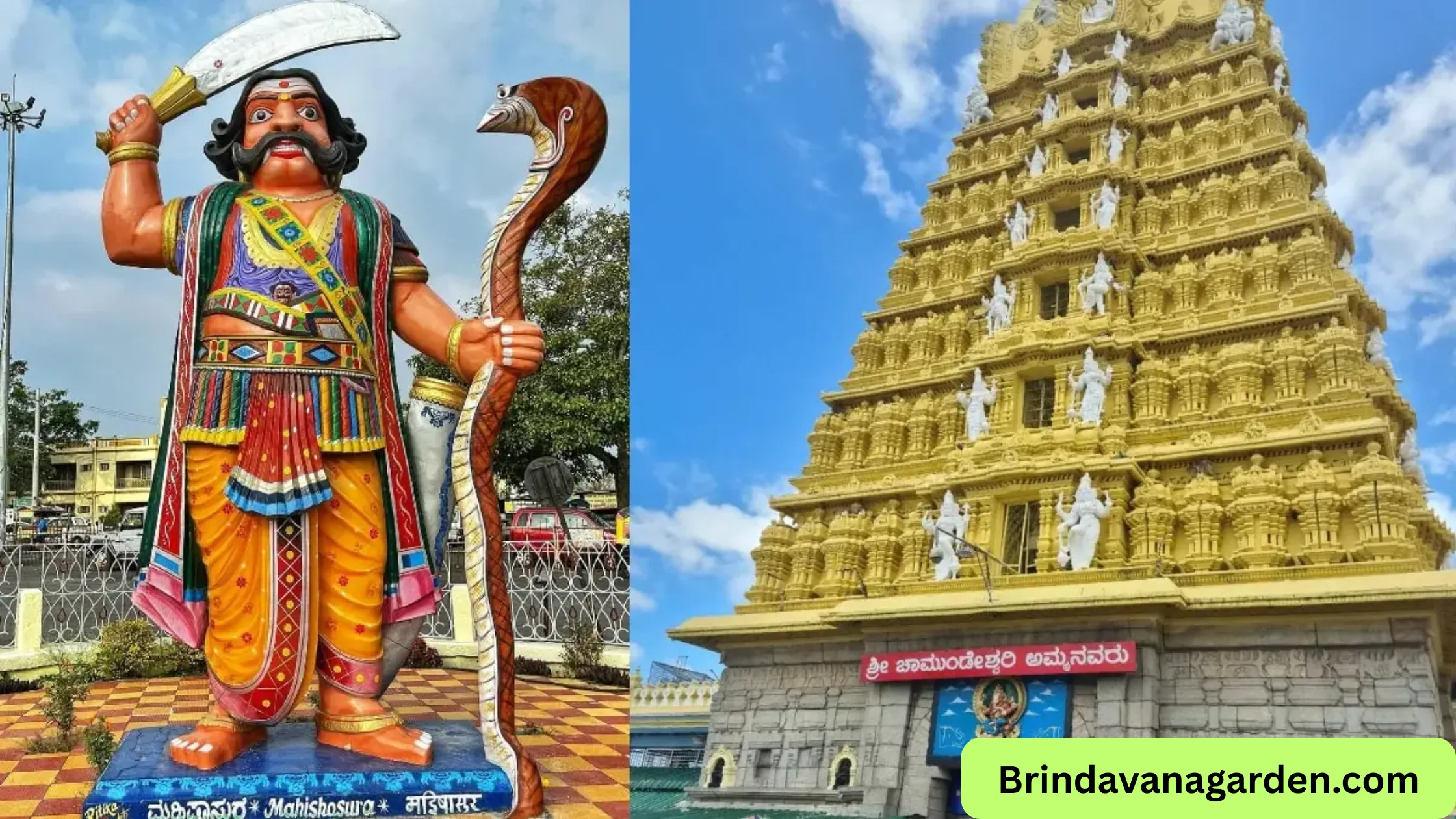
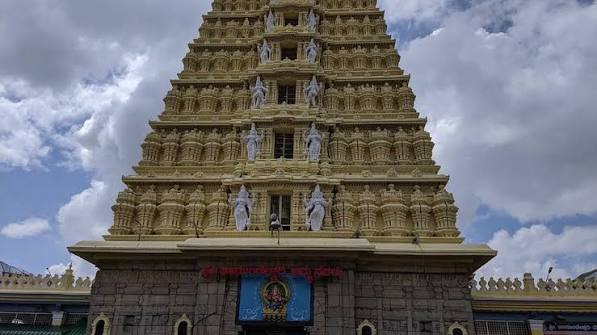
Chamundi Hills and the Chamundeshwari Temple inside it don’t run on the same clock. You can reach the top with the hill fully open and still find the temple shut for its afternoon break. Knowing which schedule applies to what you’re planning — darshan, the steps climb, or just the views — is what actually saves you from wasted time.
Chamundeshwari Temple Darshan Timings
The temple follows three darshan sessions, repeated daily:
- 7:30 AM – 2:00 PM
- 3:30 PM – 6:00 PM
- 7:30 PM – 9:00 PM
Notice the two gaps — roughly 2:00 PM to 3:30 PM, and 6:00 PM to 7:30 PM. During these windows, the sanctum closes for internal rituals. This is the most common reason visitors arrive and find themselves waiting outside: they’ve timed their trip around the hill’s general hours rather than the temple’s session breaks.
If darshan is your main goal, treat these three windows as fixed appointments rather than assuming the temple stays open continuously through the day.
Chamundi Hills Access Timings (Separate From the Temple)
The hill itself — the road up, the viewpoints, the Nandi statue, and the general grounds — runs on looser hours than the temple. It’s generally accessible from around 6:00 AM until about 9:00 PM, with vehicles able to drive up and down through this window.
Nothing physically locks the hill after dark, and some visitors do stay for the evening city lights. But it’s best to avoid isolated stretches of the hill after sunset — the upper slopes are forested and poorly lit once the main temple crowd thins out. If your plan involves being on the hill after 9 PM, that’s a safety call you’re making on your own, not something built into the temple or municipal schedule.
Steps Timings vs. Vehicle Timings — Don’t Confuse the Two
There are two separate ways up the hill, and they don’t share a schedule.
The 1,000-step stone stairway (built in 1659, starting near the JSS College area) has no gate and no fixed opening or closing time. Climbers typically start as early as 5:00 AM and continue through to early evening. Avoid climbing in full darkness — the stone has been worn smooth by centuries of footfall and gets noticeably slippery once the light drops.
The motorable road, used by cars, taxis, and buses, follows roughly the same window as general hill access — 6:00 AM to 9:00 PM. If you’re depending on a bus back down, don’t assume service runs until 9 PM; confirm the last bus with the driver or a local on your way up.
If you’re climbing the steps specifically for darshan, time your climb around the three darshan sessions above rather than a fixed start time — there’s no benefit to a strenuous climb that ends at a closed sanctum.
Also See: How Long Will It Take to Climb Chamundi Hills?
Entry Fees and Paid Options
General entry to Chamundi Hills and standard darshan are free — no ticket required for the regular queue. A paid special darshan option is generally available. The fee has changed over time, so confirm the current amount through the temple authorities before your visit.
Parking near the temple at the top is available for both two-wheelers and four-wheelers, but it fills up quickly on weekends, holidays, and during the evening rush. If you’re driving up on a Saturday or Sunday, arrive before 5 PM to avoid circling for a spot.
Abhishekam and Other Ritual Timings
For visitors specifically interested in the abhishekam (ritual bathing of the deity):
- 6:00 AM – 7:30 AM and 6:00 PM – 7:30 PM on most days
- Friday: 5:00 AM – 6:30 AM — an earlier slot tied to the day’s significance for the goddess
Free meals (dasoha) are also arranged for devotees, though serving windows can shift. If this is part of your plan, confirm the current schedule with temple authorities on the day.
Choosing Your Arrival Time Based on What You’re There For
For a quiet darshan with minimal queue: Aim for the 7:30 AM opening on a weekday. The first hour of the morning session is noticeably thinner than the same session on weekends or during the 7:30 PM slot, when many people arrive after work.
For the 1,000-step climb: Start before or right around sunrise. You avoid the heat and the thicker foot traffic on the stairway, and reach the top in time for the first darshan session instead of waiting for the temple to reopen.
For photography and hilltop views: Early morning gives softer light and clearer air before the day’s haze builds up. Late afternoon into early evening gives you the sunset over Mysuru city from several points near the temple grounds. Both windows are less crowded than midday.
For sightseeing without a fixed darshan slot: Midday works fine for the hill itself, but the temple stays shut between 2 PM and 3:30 PM — use that window for the Nandi statue, the Mahishasura statue, and the viewpoints instead of standing outside a closed sanctum.
When Timings Change: Festivals and Special Days
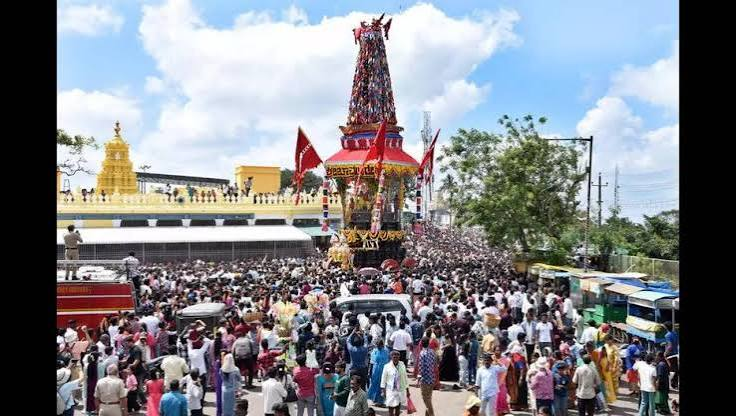
During Navaratri and Dussehra — Mysuru’s biggest festival period, typically falling in September or October depending on the lunar calendar — darshan sessions are often extended and the hill sees a sharp rise in footfall, sometimes with additional queue management. Fridays, significant for the goddess, also draw larger crowds than other weekdays.
If your visit falls near a festival date, don’t rely on the standard timings above. Temple administrations commonly adjust both darshan hours and special-entry arrangements during these periods, and exact dates shift every year with the calendar. Check with the temple office or a recent local update in the days before your visit.
Getting There and Practical Notes
Chamundi Hills is about 13 km from central Mysuru. KSRTC buses operate frequently between Mysuru city and Chamundi Hills, though the interval may vary by time of day. Taxis and autos are also widely available.
A few points worth knowing before you go:
- Footwear comes off before entering the temple — factor that in if you’re also doing the steps climb.
- The stairway route has resident monkeys in places; keep food out of sight rather than carrying it visibly.
- Elderly visitors or anyone with mobility concerns should default to the road/vehicle route. The steps climb, while manageable for fit visitors in 30–45 minutes, has a genuinely steep initial third that isn’t suited to knee or joint issues.
- Modest clothing (shoulders and knees covered) is expected at the temple, as at most active Hindu shrines in Karnataka.
Read Also: Chamundi Hills to Brindavan Garden Distance Guide
Frequently Asked Questions
Is Chamundi Hills open every day, including Mondays?
Yes. Both the hill and the temple follow the same schedule seven days a week — crowd size changes by day, not access.
If I arrive at 2:30 PM, can I still go up and wait?
You can go up the hill without any issue, since general hill access isn’t tied to the darshan sessions. But the temple sanctum stays closed until 3:30 PM, so plan around that gap rather than being caught off guard.
Do I need to book darshan in advance?
General darshan doesn’t require booking. For special/VIP darshan, check the temple’s official booking channel ahead of festival periods, when slots fill up faster.
Is the 1,000-step climb safe for children or older visitors?
People across a wide range of ages and fitness levels do it, but the initial stretch is steep and the stone underfoot is smooth from long use. For young children, elderly visitors, or anyone unsure of their stamina, the road route skips this risk without missing anything the steps offer beyond the climb itself.
Timings, fees, and ritual schedules can change with temple administration decisions or festival calendars. Confirm current details with the temple office before you travel, especially around Navaratri or if you’re planning around a specific ritual.

Rahul Sharma is the founder and editor of BrindavanaGarden.com. He researches Brindavan Gardens, Mysore tourism, and nearby attractions using Karnataka Tourism resources, official websites, visitor reviews, maps, and trusted travel references. Every guide is carefully reviewed and updated to keep practical information such as timings, entry fees, travel tips, and visitor advice as accurate and useful as possible. His goal is to help travelers plan smoother, better-informed trips to Brindavan Gardens and the surrounding Mysore region.