Mysore Palace is one of the most famous palaces in India. It is located in the city of Mysuru in Karnataka. Every year, millions of people come to visit this beautiful palace. People love it for its stunning look, rich history, and cultural importance.
Many people who visit often ask one simple question: When was Mysore Palace built?
The answer is actually quite interesting. The palace you see today is not the first palace that was built on this spot. Over hundreds of years, many palaces were built on the same land, one after another. Each palace showed the power and greatness of the Wadiyar dynasty, the royal family that ruled the Kingdom of Mysore for a very long time.
So the history of Mysore Palace is not just about one building. It is a long and fascinating story that goes back many centuries.
When Was Mysore Palace Built?
The current Mysore Palace was built between 1897 and 1912.
Construction officially began after the previous wooden palace was destroyed in a fire during a royal wedding celebration in 1897. The new palace was completed in 1912, making it more than a century old today.
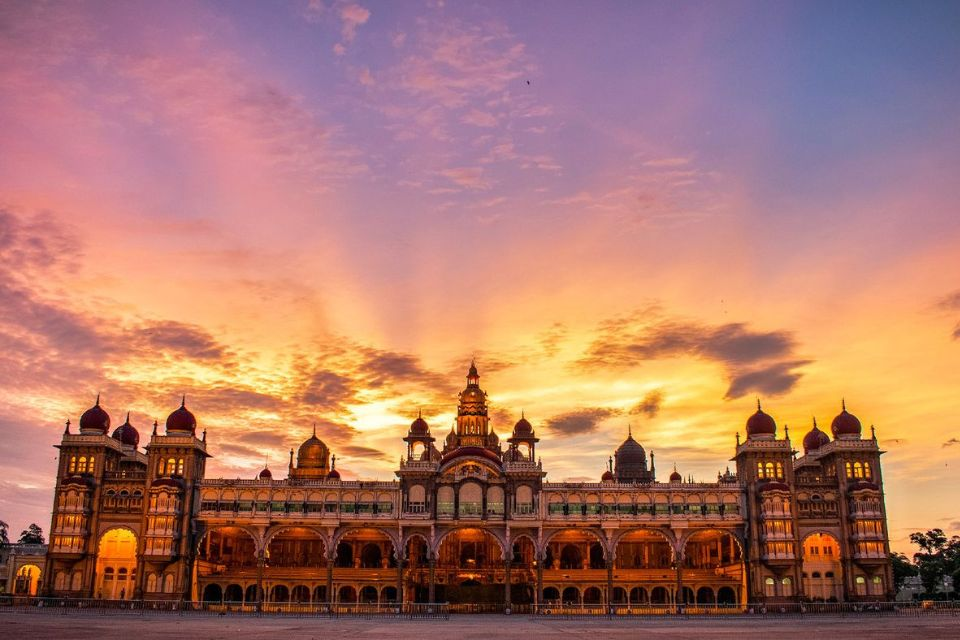
The palace was designed by the renowned British architect Henry Irwin, who incorporated various architectural styles to create one of India’s most beautiful royal buildings.
Quick Facts
| Fact | Details |
|---|---|
| Construction Started | 1897 |
| Construction Completed | 1912 |
| Architect | Henry Irwin |
| Location | Mysuru, Karnataka, India |
| Built For | Wadiyar Dynasty |
| Architectural Style | Indo-Saracenic |
| Main Building Material | Granite and Marble |
The History Before the Present Palace
To fully understand when Mysore Palace was built, it is important to know that the current palace was not the first palace on this site.
The Original Palace
Historical records indicate that a royal palace existed in Mysore as early as the 14th century. The Wadiyar rulers used the palace as their royal residence and administrative center.
Over time, the palace underwent several expansions and renovations.
The Wooden Palace
In the late 18th and early 19th centuries, a large wooden palace occupied the site. This structure served as the residence of the Mysore royal family for many years.
The wooden palace was famous for its intricate carvings and traditional design. However, because wood is vulnerable to fire, the structure faced significant risks.
The Great Fire of 1897
A tragic event changed the history of Mysore Palace forever.
During the wedding ceremony of Princess Jayalakshammanni in 1897, a devastating fire broke out. The blaze quickly spread through the wooden structure and destroyed much of the palace.
The destruction of the palace created the need for a new and more durable royal residence.
Why Was the New Mysore Palace Built?
After the fire, the royal family decided to construct a grander palace using stronger materials.
The objectives were:
- Create a fire-resistant structure
- Showcase the power of the Mysore Kingdom
- Reflect modern engineering and design
- Preserve royal traditions
- Build a monument that would represent Mysore’s cultural heritage
As a result, the Wadiyar rulers commissioned a new palace that would become one of India’s architectural masterpieces.
Who Built Mysore Palace?
The new palace was commissioned by Maharani Kempananjammanni Devi, the queen regent of Mysore.
The palace was designed by Henry Irwin, a prominent British architect known for designing several important buildings across India during the colonial era.
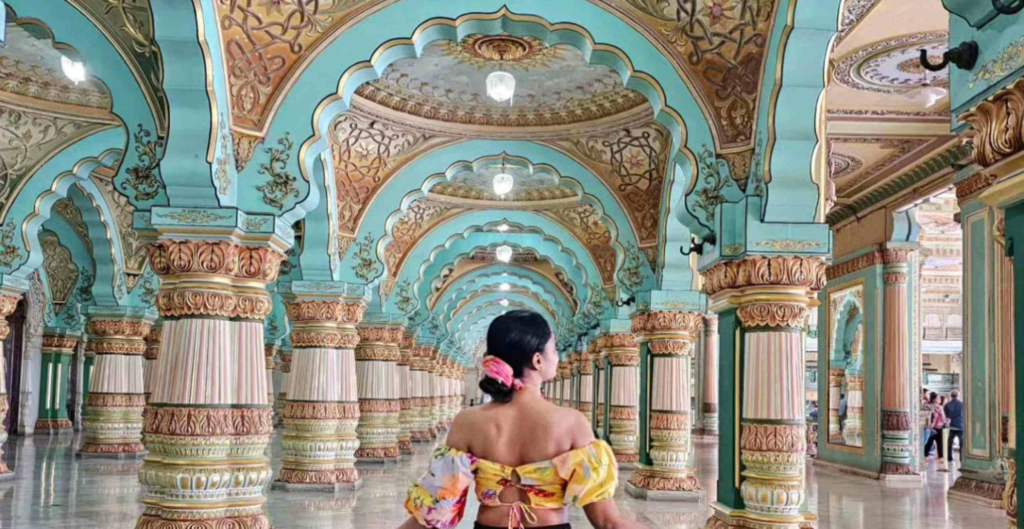
Construction involved thousands of craftsmen, engineers, artists, sculptors, and laborers.
Their combined efforts resulted in a structure that remains one of India’s greatest architectural achievements.
Architectural Style of Mysore Palace
Mysore Palace is famous for its Indo-Saracenic architecture.
This style combines elements from:
- Hindu architecture
- Islamic architecture
- Rajput design
- Gothic architecture
- European influences
The result is a unique blend that gives the palace its distinctive appearance.
Exterior Features
Some of the most striking exterior features include:
- Massive granite structure
- Elegant marble domes
- Ornamental arches
- Decorative towers
- Large courtyards
- Beautiful gardens
The palace’s pink marble domes are particularly iconic and can be seen from various parts of Mysuru.
Inside Mysore Palace
The interior of Mysore Palace is equally impressive.
Visitors are often amazed by:
Durbar Hall
The Durbar Hall served as the royal court where important meetings and ceremonies were held.
Features include:
- Massive pillars
- Ornate ceilings
- Intricate paintings
- Decorative chandeliers
Kalyana Mantapa
The Kalyana Mantapa, or marriage hall, is among the palace’s most photographed sections.
Highlights include:
- Stained-glass ceiling
- Decorative floor patterns
- Artistic ironwork
- Elegant lighting
Royal Paintings
The palace contains numerous paintings depicting:
- Royal processions
- Historical events
- Religious themes
- Traditional festivals
These artworks provide valuable insight into the history of the Mysore Kingdom.
How Long Did It Take to Build Mysore Palace?
Construction began in 1897 and was completed in 1912.
This means the palace took approximately 15 years to build.
The lengthy construction period was due to:
- Complex architectural designs
- Detailed craftsmanship
- Imported materials
- Large-scale construction work
- Extensive interior decoration
The result was a palace that exceeded expectations and became one of India’s most magnificent royal residences.
The Role of the Wadiyar Dynasty
The Wadiyar dynasty played a crucial role in shaping Mysore Palace.
The family ruled the Kingdom of Mysore for centuries and transformed the region into a center of culture, education, and development.
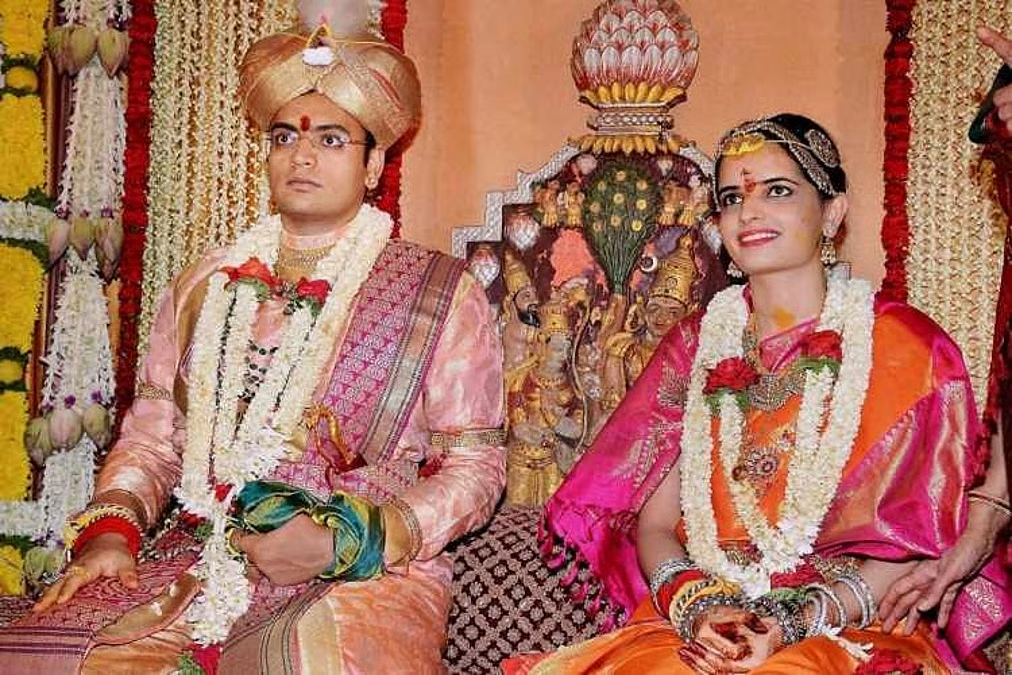
Mysore Palace became the symbol of their authority and vision.
Even today, members of the royal family maintain a connection with the palace, preserving its historical importance.
Mysore Palace During Dasara Festival
One of the most spectacular times to visit Mysore Palace is during the annual Dasara festival.
During the celebrations:
- The palace is illuminated with nearly 100,000 light bulbs.
- Cultural performances take place.
- Traditional processions are organized.
- Thousands of tourists gather to witness the event.
The illuminated palace creates a breathtaking sight that attracts visitors from around the world.
Interesting Facts About Mysore Palace
1. One of India’s Most Visited Monuments
Mysore Palace receives millions of visitors every year, making it one of the most popular tourist attractions in India.
2. Second Most Visited Monument in India
After the Taj Mahal, Mysore Palace is often cited among the most visited heritage monuments in the country.
3. Built on the Site of Earlier Palaces
The current structure stands on the location of multiple earlier royal palaces.
4. Rich Collection of Art
The palace houses priceless paintings, artifacts, furniture, and royal treasures.
5. Stunning Night Illumination
The palace lighting ceremony remains one of the biggest attractions in Mysuru.
Why Is Mysore Palace So Famous?
Several factors contribute to the palace’s popularity:
- Rich royal history
- Architectural beauty
- Cultural importance
- Historical significance
- Dasara celebrations
- Preservation of heritage
It represents the grandeur of South Indian royalty and remains an important symbol of Karnataka’s cultural identity.
Visiting Mysore Palace Today
Visitors can explore:
- Royal halls
- Museums
- Courtyards
- Art galleries
- Historic exhibits
The palace offers a fascinating glimpse into the lives of Mysore’s rulers and the region’s royal traditions.
Many tourists consider it the highlight of their trip to Mysuru.
Conclusion
So, when was Mysore Palace built? The present Mysore Palace was constructed between 1897 and 1912 after a devastating fire destroyed the earlier wooden palace. Designed by architect Henry Irwin and commissioned by the Wadiyar royal family, the palace took approximately 15 years to complete.
Today, Mysore Palace stands as one of India’s finest examples of royal architecture. Its stunning Indo-Saracenic design, rich history, beautiful interiors, and cultural significance continue to attract millions of visitors from around the world. More than just a royal residence, it is a symbol of Karnataka’s heritage and one of the most treasured landmarks in India.
Read Also: Mysore Palace Opening Time Today for Visitors 2026
Frequently Asked Questions
When was the current Mysore Palace built?
The current Mysore Palace was built between 1897 and 1912.
Why was Mysore Palace rebuilt?
The earlier wooden palace was destroyed by a major fire in 1897 during a royal wedding celebration.
Who designed Mysore Palace?
The palace was designed by British architect Henry Irwin.
How old is Mysore Palace?
Since it was completed in 1912, the palace is more than 100 years old.
Which dynasty lived in Mysore Palace?
The palace was the royal residence of the Wadiyar dynasty, the rulers of the Kingdom of Mysore.
What architectural style is Mysore Palace?
Mysore Palace is built in the Indo-Saracenic style, blending Hindu, Islamic, Rajput, Gothic, and European architectural influences.
Also See: Does the Royal Family Still Live in Mysore Palace?

Rahul Sharma is the founder and editor of BrindavanaGarden.com. He researches Brindavan Gardens, Mysore tourism, and nearby attractions using Karnataka Tourism resources, official websites, visitor reviews, maps, and trusted travel references. Every guide is carefully reviewed and updated to keep practical information such as timings, entry fees, travel tips, and visitor advice as accurate and useful as possible. His goal is to help travelers plan smoother, better-informed trips to Brindavan Gardens and the surrounding Mysore region.