
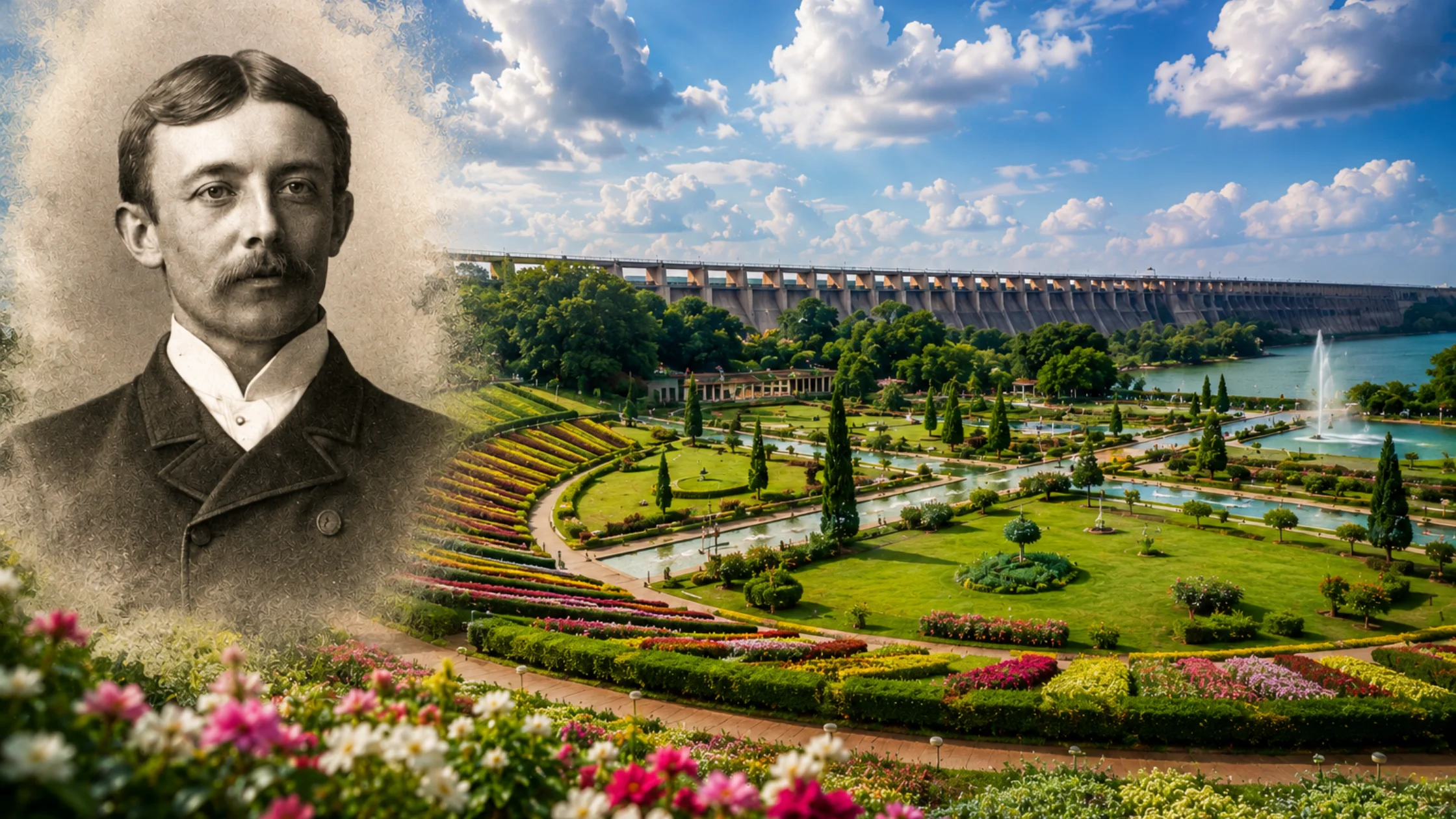
Most visitors who arrive at Brindavan Gardens spend their time admiring the fountains, flower beds, broad walkways, and the spectacular setting below the Krishna Raja Sagara (KRS) Dam. Very few stop to ask a simple question: who designed all of this?
The story of Brindavan Gardens is often told through the achievements of engineers, rulers, and public works officials. Yet hidden behind the garden’s success is the contribution of a German horticulturist named Gustav Hermann Krumbiegel. His name may not appear on tourist signboards, but his influence is visible throughout the landscape even today.
More than a century after the garden was planned, visitors continue to walk through spaces shaped by his ideas. Understanding Gustav Krumbiegel’s role offers a fascinating glimpse into how one of India’s most famous gardens came into existence.
Quick Facts About Gustav Krumbiegel
| Detail | Information |
|---|---|
| Full Name | Gustav Hermann Krumbiegel |
| Nationality | German |
| Profession | Horticulturist and Landscape Designer |
| Worked In | Mysore State, India |
| Known For | Public gardens, botanical planning, landscape design |
| Associated With | Brindavan Gardens and several horticultural projects in southern India |
The Man Who Brought European Garden Ideas to Mysore
Gustav Krumbiegel arrived in India during a period when many princely states were investing heavily in modernization. Railways were expanding, irrigation projects were transforming agriculture, and public spaces were becoming symbols of progress.
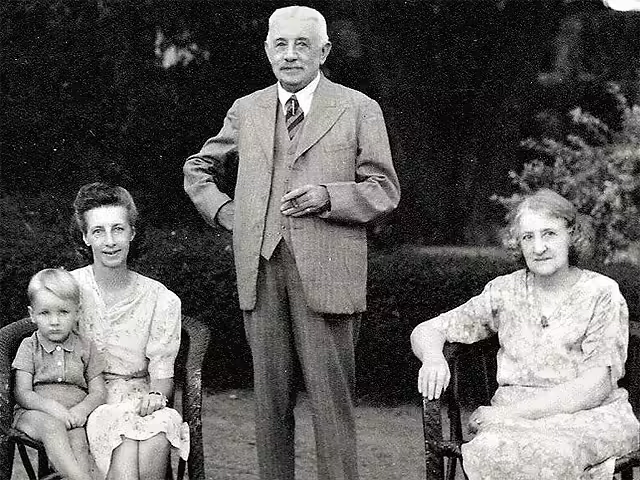
The Mysore Kingdom was among the most forward-looking states in India. Its rulers encouraged developments in engineering, education, science, and urban planning. This environment allowed skilled specialists from different parts of the world to contribute to ambitious projects.
Krumbiegel’s expertise in horticulture and landscape planning quickly earned him recognition. He understood not only plants but also how landscapes could be organized to create beauty, movement, and harmony.
At a time when gardening was often treated as a decorative activity, Krumbiegel approached it as a science and an art.
A Dam That Needed More Than Engineering
The construction of the Krishna Raja Sagara Dam changed the future of Mysore.
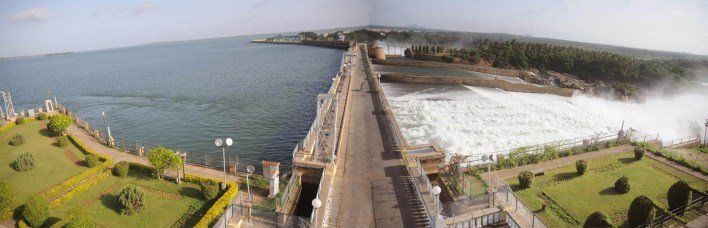
The massive dam created a reservoir that supplied water to farms, towns, and industries. It was one of the most significant engineering achievements of its era.
But after the dam was completed, a new question emerged.
What should be done with the land surrounding this monumental structure?
Many governments would have left the area undeveloped. The focus would have remained solely on the dam’s practical benefits.
Mysore chose a different path.
Officials envisioned a grand public garden that would complement the dam and provide a place where people could gather, relax, and enjoy nature.
The responsibility of helping shape this vision fell largely to Gustav Krumbiegel.
Imagining a Garden Beneath the Dam
Creating Brindavan Gardens was not simply a matter of planting flowers.
The site had unique challenges. The landscape needed to connect visually with the enormous dam above it. Water had to be incorporated naturally into the design. The garden also needed to accommodate thousands of visitors while maintaining a sense of order and beauty.
Krumbiegel approached the project by studying the terrain and identifying how the natural slope could become an advantage.
Instead of creating a flat garden, he used terraces.
This decision became one of the defining features of Brindavan Gardens.
Visitors could move through different levels, each offering a new perspective of the landscape. From higher sections, they could enjoy sweeping views. From lower terraces, they could appreciate the details of the flower beds, fountains, and waterways.
The result was a garden that felt larger and more dynamic than its actual size.
Why the Terraced Design Was So Important
Today, many people take the terraced layout of Brindavan Gardens for granted.
In reality, it was one of the most thoughtful aspects of the entire project.
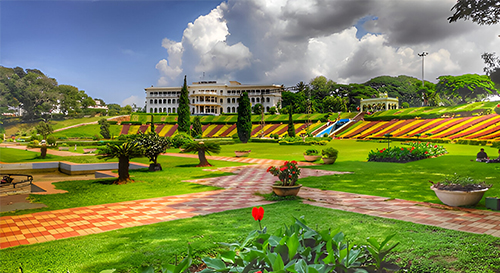
Terraces create a natural sense of progression. As visitors walk downward through the garden, the scenery changes gradually. New features appear, old views disappear, and the experience remains engaging.
Krumbiegel understood that people enjoy discovering landscapes rather than seeing everything at once.
The terraces also helped organize water features. Channels and fountains could be positioned in ways that made use of gravity while enhancing the visual appeal of the garden.
This combination of functionality and beauty became a hallmark of the design.
Water Was the Garden’s Main Character
Most gardens are designed around plants.
Brindavan Gardens was different.
Water became the central element around which everything else was arranged.
This made perfect sense given the garden’s location near one of the largest reservoirs in southern India.
Krumbiegel treated water as a visual experience. Reflecting pools, channels, cascades, and fountains created movement throughout the landscape.
Visitors could hear flowing water, watch sunlight reflecting on its surface, and experience a constantly changing environment.
Long before musical fountains became famous at Brindavan Gardens, water itself was already a major attraction.
The design encouraged visitors to interact with the landscape through multiple senses rather than simply viewing it from a distance.
Selecting Plants for Mysore’s Climate
One reason many historic gardens decline over time is poor plant selection.
Species that look impressive initially may struggle to survive local weather conditions.
Krumbiegel understood this challenge well.
Instead of relying entirely on exotic plants, he focused on species that could adapt to Mysore’s climate while still providing color and variety.
Flowering plants were arranged strategically to create seasonal displays. Trees added structure and shade. Lawns provided visual balance and open gathering spaces.
This practical approach helped ensure that the garden could be maintained year after year.
A successful public garden must survive beyond its opening ceremony. Krumbiegel designed Brindavan Gardens with long-term sustainability in mind.
A Garden Built for Ordinary People
Perhaps the most remarkable aspect of Brindavan Gardens is that it was never intended to be a private royal retreat.
It was designed as a public space.
During the early twentieth century, large landscaped gardens were often associated with palaces, estates, or exclusive institutions.
Brindavan Gardens broke from that tradition.
Families, students, travelers, photographers, and local residents were all welcome to enjoy the space.
Wide pathways encouraged leisurely walks. Open lawns created gathering areas. Carefully planned viewpoints allowed visitors to appreciate both the garden and the dam.
This accessibility played a major role in the garden’s popularity.
Even today, many people visit not because they are gardening enthusiasts but because the space feels inviting and enjoyable.
How Brindavan Gardens Became a Tourist Landmark
The beauty of the garden quickly attracted attention.
Visitors arriving to see the KRS Dam often spent just as much time exploring the landscaped grounds below it.
Photographs of the terraces and fountains began appearing in travel publications. The garden became a popular stop for tourists visiting Mysore.
Later, films and television productions further increased public awareness.
As visitor numbers grew, Brindavan Gardens developed a reputation that extended far beyond Karnataka.
Today it remains one of the most recognized garden attractions in India, welcoming visitors from across the country and around the world.
What Parts of Krumbiegel’s Vision Can Still Be Seen Today?
Although the garden has undergone improvements and renovations over the decades, several original design principles remain visible.
Visitors can still observe:
- The terraced garden layout
- Symmetrical pathways
- Water-centered landscape planning
- Formal garden arrangements
- Broad lawns and viewing spaces
- Structured floral displays
- Visual alignment between the garden and the KRS Dam
These elements continue to define the character of Brindavan Gardens.
Even when new attractions are added, they exist within the framework established by Krumbiegel’s original vision.
Why Gustav Krumbiegel Deserves More Recognition
Many people associated with major public projects become household names.
Gustav Krumbiegel did not.
His work was often carried out behind the scenes. Visitors saw the finished gardens but rarely learned about the designer who helped create them.
Yet his contribution was significant.
He demonstrated how engineering infrastructure and landscape architecture could complement one another. He transformed a practical setting into a destination known for beauty and recreation.
His work continues to influence how public gardens are designed and maintained in India.
Without his expertise, Brindavan Gardens might have been remembered simply as land surrounding a dam rather than one of the country’s most famous garden attractions.
The Legacy That Lives On
The success of Brindavan Gardens cannot be measured only by visitor numbers.
Its true achievement lies in its longevity.
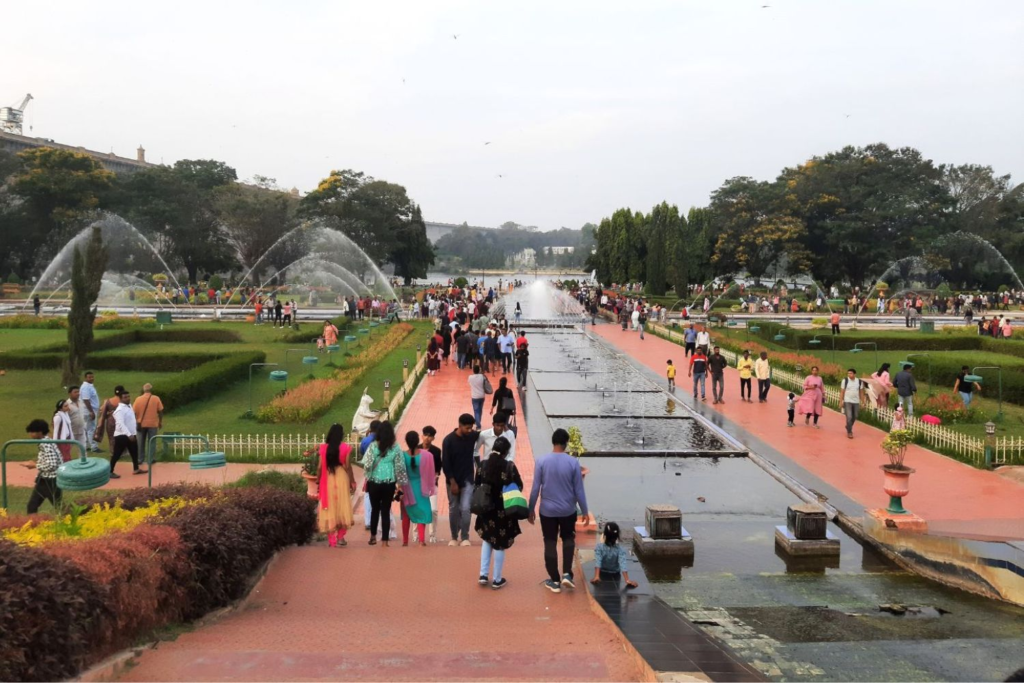
Generations of travelers have walked the same pathways, admired the same terraces, and enjoyed the same carefully planned relationship between water and landscape.
That lasting appeal reflects the strength of the original design.
More than a hundred years later, Gustav Krumbiegel’s ideas remain relevant. They remind us that public spaces can be both functional and beautiful, practical and inspiring.
Every flower bed, pathway, and terrace at Brindavan Gardens tells part of that story.
Read Also: KRS Musical Fountain Timings 2026 Evening Show Guide
Conclusion
The history of Brindavan Gardens is often linked to the famous KRS Dam, but the garden’s beauty owes much to Gustav Hermann Krumbiegel. His understanding of horticulture, landscape planning, and public design transformed an ordinary area below the dam into one of India’s most admired garden destinations.
While millions visit Brindavan Gardens each year, only a small number know the name of the man who helped shape its identity. Yet his legacy survives in every terrace, water channel, and carefully planned view that continues to captivate visitors today.
For anyone interested in the history of Brindavan Gardens, Gustav Krumbiegel is not a footnote. He is one of the central figures in the story.
Also See: Who Built Brindavan Gardens? Full History Explained
Frequently Asked Questions
Who was Gustav Krumbiegel?
Gustav Hermann Krumbiegel was a German horticulturist and landscape designer who worked in the former Mysore State. He is remembered for his contributions to garden planning and landscaping projects, including his role in shaping the design of Brindavan Gardens.
What was Gustav Krumbiegel’s role in Brindavan Gardens?
Gustav Krumbiegel helped plan and develop the landscape design of Brindavan Gardens. His work focused on creating the terraced layout, integrating water features, and selecting suitable plants that could thrive in the local climate.
Why is Gustav Krumbiegel important to the history of Brindavan Gardens?
Brindavan Gardens became famous not only because of the KRS Dam but also because of its unique garden design. Krumbiegel’s vision helped transform the area below the dam into a beautiful public garden that continues to attract visitors today.
Did Gustav Krumbiegel design the KRS Dam?
No. The KRS Dam was an engineering project, while Gustav Krumbiegel worked on the landscaping and garden development around the area. His contribution was related to the design and horticultural planning of Brindavan Gardens.
What makes the design of Brindavan Gardens unique?
Brindavan Gardens is known for its terraced layout, symmetrical pathways, colorful flower beds, water channels, fountains, and scenic views of the KRS Dam. These elements were carefully planned to create a balanced and visually appealing landscape.
Can visitors still see Gustav Krumbiegel’s influence in Brindavan Gardens today?
Yes. Many of the garden’s key design features, including the terraced arrangement, formal garden layout, and water-centered landscaping, continue to reflect the original planning principles associated with Gustav Krumbiegel’s work.
Why was Brindavan Gardens built below the KRS Dam?
The garden was developed to complement the grandeur of the KRS Dam and provide a recreational space for the public. The location also allowed water to become an important feature of the garden’s design.
When was Brindavan Gardens developed?
The development of Brindavan Gardens began during the early decades of the 20th century, following the construction of the Krishna Raja Sagara Dam. The garden evolved over time and became one of Karnataka’s most popular tourist attractions.
What plants are commonly found in Brindavan Gardens?
Brindavan Gardens features a variety of flowering plants, ornamental shrubs, lawns, shade trees, and seasonal flowers. Plant selections have changed over the years, but the garden continues to maintain a colorful landscape throughout much of the year.
Is Gustav Krumbiegel associated with any other gardens in India?
Yes. Gustav Krumbiegel contributed to several horticultural and landscaping projects in southern India. His expertise influenced the development and maintenance of important public gardens during his time in Mysore State.
Why do many visitors not know about Gustav Krumbiegel?
Most visitors focus on the beauty of Brindavan Gardens, the musical fountain, and the KRS Dam. As a result, the story of the landscape designer behind the garden is often overlooked, even though his contribution played an important role in shaping the attraction.
What is Gustav Krumbiegel’s lasting legacy?
Gustav Krumbiegel’s legacy lives on through Brindavan Gardens and other horticultural projects he helped develop. His work demonstrated how thoughtful landscape planning can transform public spaces into attractions that remain popular for generations.

Rahul Sharma is the founder and editor of BrindavanaGarden.com. With over two years of experience working on travel and tourism websites, he focuses on creating informative guides, visitor resources, and destination-based content. His goal is to provide readers with clear, practical, and well-researched information about Brindavan Gardens, Mysore, and nearby attractions.