
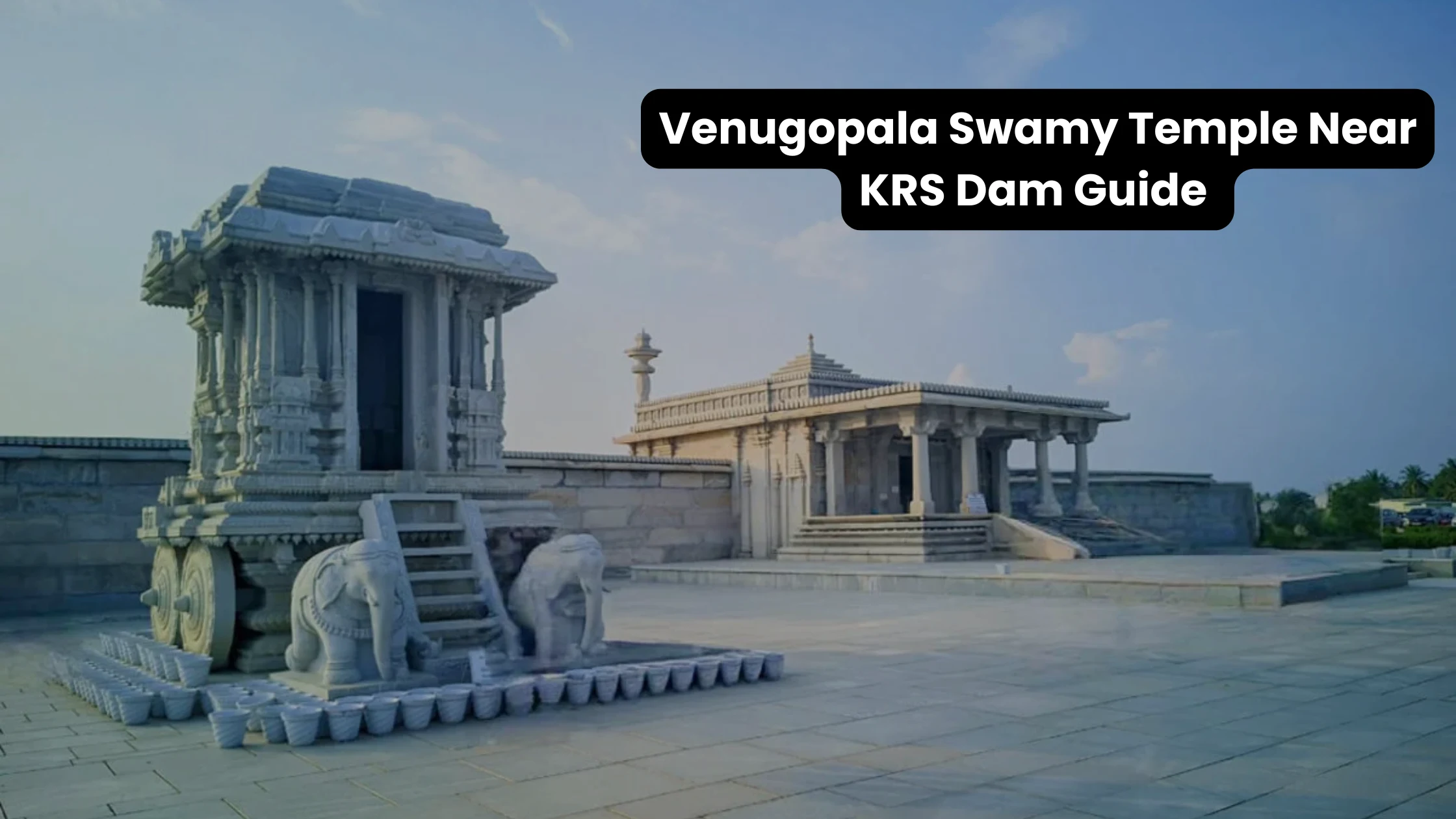
One of the most beautiful but little-known historical sites close to KRS Dam is the Venugopala Swamy Temple, which is hidden away next to the peaceful backwaters of the Krishna Raja Sagara lake. Even though Brindavan Gardens receives thousands of visitors each year, many fail to notice this amazing temple that combines spirituality, architecture, history, and beautiful surroundings all in one place.
This temple’s incredible journey through time is what really sets it apart. The temple was eventually rebuilt stone by stone and brought back to its former beauty after disappearing beneath the waters caused by the KRS Dam project. It now serves as a representation of Karnataka’s rich cultural legacy and draws tourists that value architecture, history, photography, and serene nature.
Whether you are planning a trip to KRS Dam, Brindavan Gardens, or Mysore, adding Venugopala Swamy Temple to your itinerary is well worth the effort.
Quick Information About Venugopala Swamy Temple
| Information | Details |
|---|---|
| Location | Hosa Kannambadi Village, Near KRS Dam |
| District | Mandya, Karnataka |
| Distance from Mysore | Approximately 25 km |
| Distance from Brindavan Gardens | Approximately 8 km |
| Entry Fee | Free |
| Main Deity | Lord Krishna (Venugopala Swamy) |
| Best Time to Visit | October to February |
| Visit Duration | 30 minutes to 1.5 hours |
History of Venugopala Swamy Temple
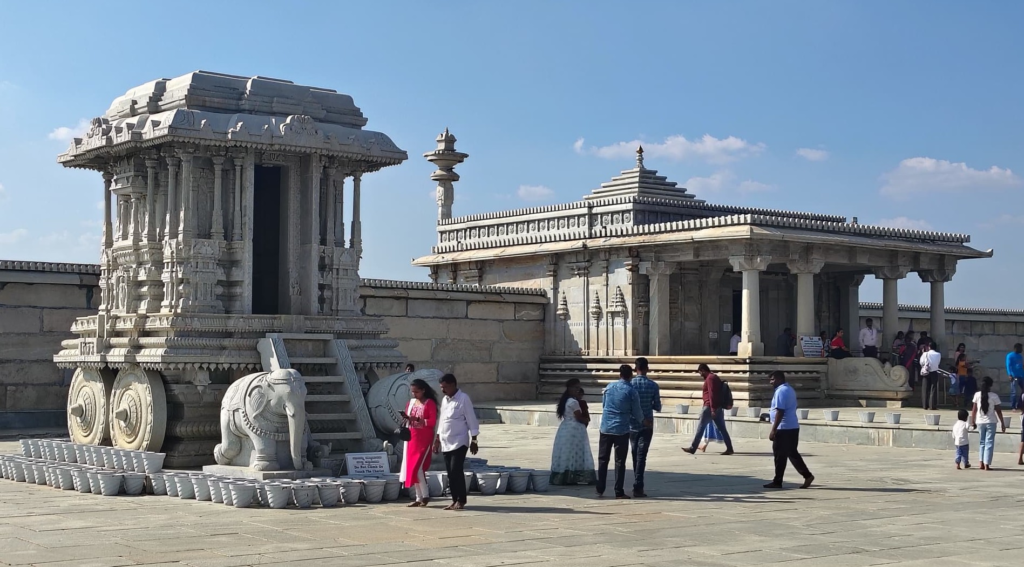
Unlike most temples in South India, Venugopala Swamy Temple has a unique story. It is an outstanding example of historic preservation in addition to being a place of worship.
Origins in the Hoysala Era
According to historians, the original temple was constructed during the Hoysala dynasty, which is renowned for its beautiful temple construction. Between the eleventh and fourteenth centuries, the Hoysalas ruled over a large portion of Karnataka, leaving behind some of the state’s most remarkable architectural monuments.
The Venugopala form of Lord Krishna, which shows Krishna playing the flute, was the focus of the temple’s dedication. This shape represents dedication, peace, and heavenly love.
The building, like many Hoysala temples, had beautifully carved stone walls, detailed carved sculptures, and creative pillars that displayed Karnataka’s ancient art.
The Village That Went Under Water
The first temple was located in the village of Kannambadi. However, the Krishna Raja Sagara Dam’s building in the early 20th century greatly modified the landscape.
Kannambadi community was under water when the dam was full. The temple gradually disappeared under the rising waters, and its residents were moved.
For many years, just parts of the temple were visible when the water level was low. It was regarded by many as a lost monument.
An Outstanding Restoration Project
To protect this historical property, an important repair project was started years later.
In the surrounding area of Hosa Kannambadi village, experts carefully documenting the building and rebuilt it. As much of the original design as possible was kept while the temple was rebuilt using common methods as part of the restoration process.
Today, tourists may appreciate the amazing work that prevented the temple from being lost forever while looking at it in its restored state.
Architecture of Venugopala Swamy Temple
One of the main reasons visitors come here is to admire the architecture.
Traditional Hoysala Influence
The temple displays many characteristics associated with Hoysala architecture.
Visitors will notice:
- Detailed stone carvings
- Symmetrical design
- Ornamental pillars
- Decorative ceilings
- Sculpted doorways
Every area of the temple shows handmade workmanship, compared to modern concrete constructions.
Gorgeous Stone Statues
Hindu mythology-inspired decorations are found on the exterior walls.
Many parts of the temple are covered in images of gods, sky-based beings, animals, and beautiful designs.
When you look closely, the work of art is even more amazing. The statues’ minute features show the skill of centuries-old skilled artisans.
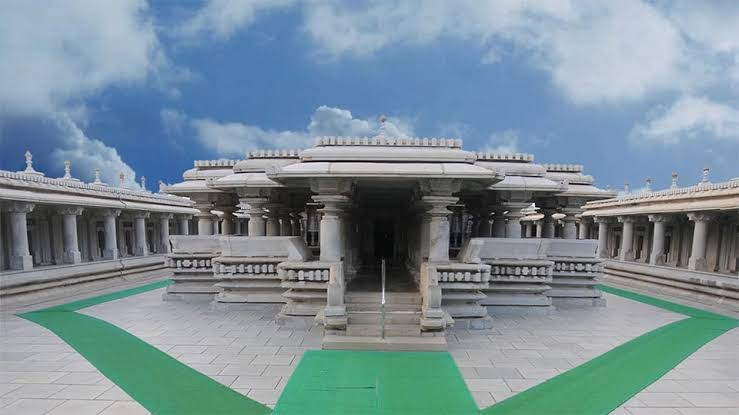
Calm Temple Complex
Venugopala Swamy Temple offers a peaceful and comfortable atmosphere, in contrast to several well-known temples that draw large crowds.
Visitors are given the opportunity to slow down and take in the site’s beauty by the peaceful environment created by the well-kept paths, open areas, and planted surroundings.
Why the Temple Is Popular Now
The Temple That Rises Once More
The temple’s unusual past attracts a lot of tourists.
In India, it is uncommon to see a historic temple that was vanished for decades before being repaired.
Architects and historians are attracted to this story alone.
Gorgeous Views of the The lake
The temple’s location near the KRS backwaters adds to its appeal.
Visitors can enjoy scenic views of:
- Reservoir waters
- Green landscapes
- Open skies
- Distant hills
The peaceful surroundings make it an excellent place to relax away from the city.
Popular Photography Destination
Photographers often visit the temple because it offers a combination of:
- Heritage architecture
- Natural scenery
- Reflection shots
- Sunrise and sunset views
The temple photographs particularly well during the golden hours of early morning and late evening.
Temple Timings and Visitor Information
Before planning your visit, it is useful to know some basic information.
Temple Timings
The temple generally remains open during daytime hours.
When the weather is nice, visitors should plan to go in the morning or evening.
Entry Fee
There is no entry fee to visit the temple grounds.
This makes it an excellent addition to any Mysore or KRS sightseeing trip.
Photography
Photography is usually allowed in outdoor areas.
Visitors should, however, always respect by local traditions and avoid from uncomfortable religious people.
Time Needed for a Visit
Most travelers spend between 30 minutes and 1.5 hours exploring the temple and taking photographs.
Architectural experts might take even more time to study the designs.
How to Reach Venugopala Swamy Temple
From Mysore
The temple is approximately 25 kilometers from Mysore city.
Visitors can reach the temple by:
- Private car
- Taxi
- Rental vehicle
- Local tour packages
The journey usually takes around 40 to 50 minutes depending on traffic.
From Brindavan Gardens
Brindavan Gardens is one of the nearest major attractions.
The temple can be reached within a short drive, making it easy to visit both locations on the same day.
From Bangalore
Travelers coming from Bangalore can drive via Mysore Road.
The journey generally takes around 3 to 4 hours depending on traffic conditions.
Parking Facilities
Parking facilities are available near the temple area, making access convenient for families and group travelers.
Best Time to Visit Venugopala Swamy Temple
Winter Season (October to February)
This is generally considered the best time to visit.
Visiting the temple grounds and a nearby nature is comfortable due to the beautiful weather.
Monsoon Season (June to September)
During the monsoon season, the area turns green and beautiful.
Visitors should be ready for unexpected rainfall, though.
Summer Season (March to May)
The temple can still be visited during summer, but afternoon temperatures can be high.
Morning visits are recommended.
Photography Guide
Best Photo Spots
Some popular photography locations include:
- Temple entrance
- Main structure
- Stone carvings
- Reservoir backdrop
- Garden pathways
Sunrise Photography
Morning light beautifully highlights building details and creates soft reflections.
Because there are less people around, photographers usually choose early hours.
Sunset Photography
Around the temple, evening sunlight can provide beautiful reflections and comfortable tones.
This is often considered as the best time of day for taking pictures.
Nearby Attractions You Can Visit
Brindavan Gardens
Famous for its musical fountain shows, landscaped gardens, and evening lighting.
Krishna Raja Sagara Dam
One of Karnataka’s most important dams and a major tourist attraction.
Mysore Palace
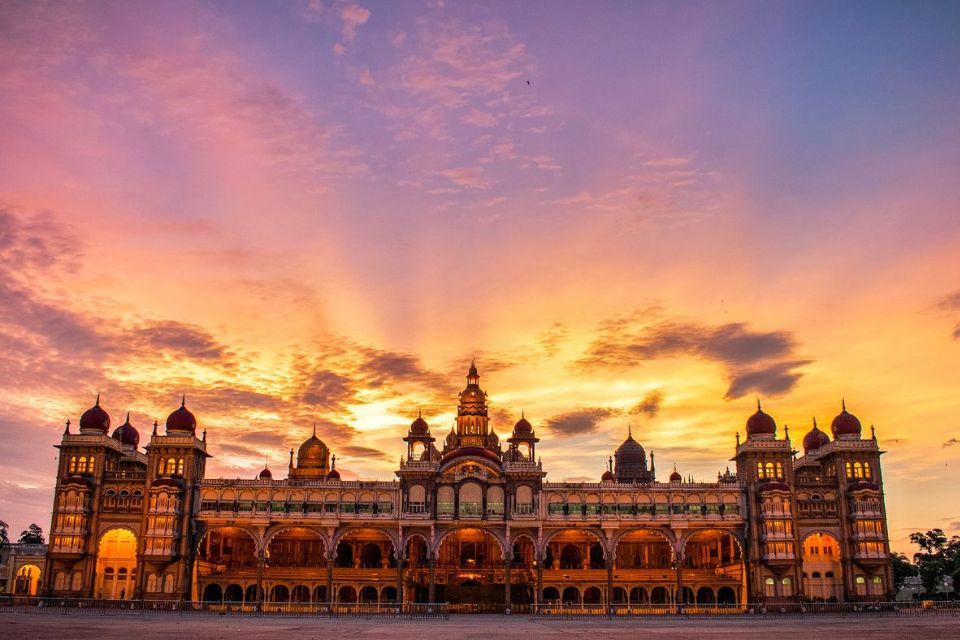
A magnificent royal palace known for its architecture and historical significance.
St. Philomena’s Cathedral
One of the largest churches in India and a notable landmark in Mysore.
Mysore Zoo
A family-friendly attraction featuring a wide variety of animals and birds.
Travel Tips for First-Time Visitors
- Carry drinking water.
- Wear comfortable footwear.
- Visit during cooler hours.
- Respect temple customs.
- Avoid touching delicate carvings.
- Keep the premises clean.
- Carry a camera if interested in photography.
- Combine your visit with Brindavan Gardens and KRS Dam for a complete day trip.
Frequently Asked Questions
Is there an entry fee for Venugopala Swamy Temple?
No, visitors can generally enter the temple complex without paying an entry fee.
How far is the temple from KRS Dam?
The temple is located close to the KRS reservoir area and can easily be visited along with KRS Dam attractions.
Can photography be done at the temple?
Photography is usually allowed in outdoor areas, though visitors should respect local regulations.
How much time is required for a visit?
Most visitors spend between 30 minutes and 1.5 hours exploring the site.
Is the temple suitable for families?
Yes. The peaceful atmosphere and easy accessibility make it suitable for families, couples, and senior citizens.
What is the best season to visit?
October to February is generally considered the most comfortable period for see the place.
Ending Words
One of the most interesting historical sites close to KRS Dam is Venugopala Swamy Temple. Its unique history, stunning architecture, and peaceful environment make for a totally different experience from busy tourist spots.
While KRS Dam and Brindavan Gardens frequently attract the most attention, this temple provides something equally amazing: the opportunity to travel back in time to Karnataka’s past while taking in the incredible views of the surrounding environment.
Venugopala Swamy Temple offers history, culture, photographic opportunity, and spiritual attractiveness to tourists visiting Mysore and the KRS area. Those who are prepared to travel a little from the traditional tourist path will find benefits at this location.
Read Also: Best Sunset Points in Mysore: 10 Scenic Places to Watch the Sunset in 2026
Rahul Sharma is the founder and editor of BrindavanaGarden.com. With over two years of experience working on travel and tourism websites, he focuses on creating informative guides, visitor resources, and destination-based content. His goal is to provide readers with clear, practical, and well-researched information about Brindavan Gardens, Mysore, and nearby attractions.