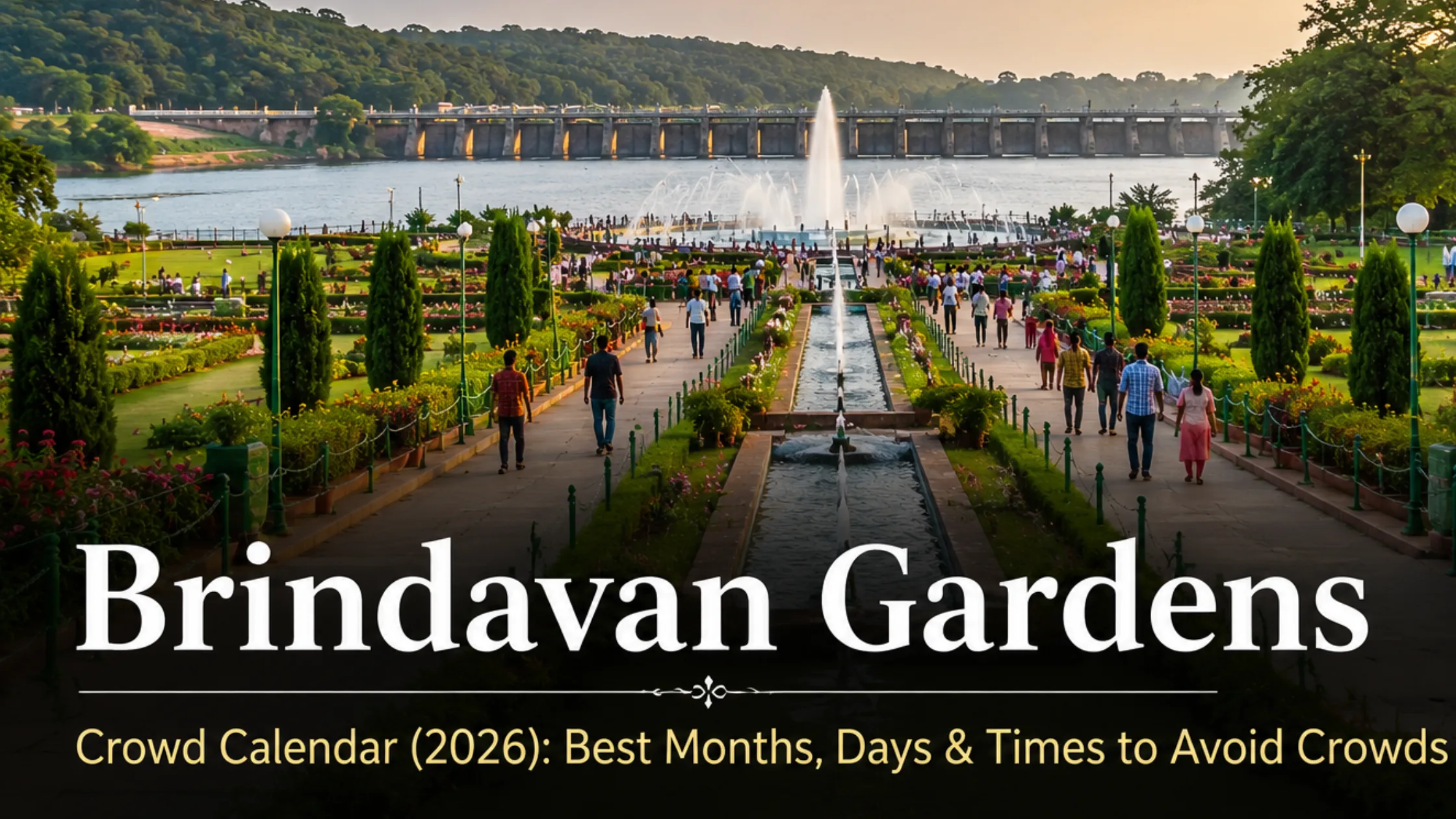
If you only have time to plan around one thing, plan around this: visit on a weekday, arrive before 5 PM, and come between January and early April or in the two to three weeks after the monsoon eases in October, before Dasara crowds build up. That combination — off-peak month, weekday, early arrival — is what actually keeps a Brindavan Gardens visit comfortable. Everything below explains why, and what to do if your dates don’t allow for the ideal combination.
Quick Crowd Summary
- Quietest months: July and August (monsoon season), with late June and September also comparatively calm
- Busiest months: May, October (Dasara), and December
- Best weekdays: Tuesday through Thursday, generally quieter than Monday and Friday
- Best time of day: early morning right after opening, or late afternoon into early evening if you also want the fountain show
- Best months for photography: February and September, when weather is comfortable and crowds haven’t peaked
- Best months for families: February and March, balancing pleasant weather, school terms still in session, and moderate crowds
Note that “quietest” and “best for photography” aren’t always the same thing. July and August typically see the fewest visitors, but monsoon rain and overcast light can work against good photos and may affect the evening show. February and September tend to combine comparatively low crowds with clearer weather and better light, which is why they’re recommended for photography specifically rather than the outright quietest months.
| Visitor Goal | Best Recommendation |
|---|---|
| Quiet Visit | Tuesday–Thursday, February or September |
| Photography | Early morning, February or September |
| Family Visit | February or March, on a weekday |
| Festival Atmosphere | October (Dasara season) |
| Musical Fountain | Arrive 45–60 minutes before the show |
These are general tendencies rather than fixed rules — a Tuesday during Dasara week can still be busier than a Saturday in July. Use this summary to narrow your options, then check the sections below for the reasoning behind each one.
Why Crowd Levels at Brindavan Gardens Change So Much
Brindavan Gardens doesn’t get crowded randomly. Three separate things stack on top of each other, and understanding them helps more than memorizing a list of “good” and “bad” dates.
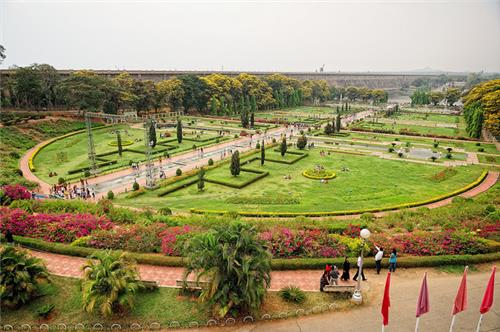
The first is water and weather. The gardens sit right below the KRS Dam, and the fountains draw on the reservoir. When the dam has good water levels — generally from soon after the monsoon through early summer — the fountains run fuller and the gardens look their best, which itself pulls in more visitors. During peak monsoon months, heavy rain can also disrupt the outdoor evening show or make the open terraces less pleasant to walk through, which pushes some visitors away even though the gardens are technically open.
The second is the school and holiday calendar. Karnataka’s school vacations, national long weekends, and Mysore’s own festival calendar bring family groups, college groups, and out-of-town tourists all at once. Mysore Dasara in particular turns the whole region into a tourist magnet, and Brindavan Gardens sits close enough to the city that Dasara visitors often add it to a Mysore Palace day trip.
The third is the daily rhythm around the musical fountain and light show. Because the show is the single biggest draw, crowd density in the gardens is not spread evenly across the day — it builds toward evening and peaks in the hour before showtime, then thins out once the show ends and people head back toward Mysore.
Keep these three layers in mind, because they explain every recommendation that follows.
Month-by-Month Crowd Pattern
This is a general seasonal pattern based on how visitor behavior typically tracks with weather, water levels, and the Karnataka school and festival calendar — not a measured visitor count. Treat it as a planning guide rather than a guarantee, since actual crowds on any given day also depend on the weekday/weekend mix and any festivals falling that month.
| Month | Typical Crowd Level | Why | Best For |
|---|---|---|---|
| January | High | Pleasant winter weather, post-New Year travel, and school winter break overlap | Visitors prioritizing good weather over a quiet visit; go on a weekday if possible |
| February | Moderate | Good weather continues but holiday travel has tapered off | First-time visitors and families wanting a balanced, comfortable trip |
| March | Moderate | Still comfortable weather; some weekend spikes around spring festivals | Weekday travelers wanting mild weather before summer heat sets in |
| April | Moderate to High | Summer vacation begins for many schools; warmer days push visits toward evening | Early-morning visitors who want to beat both the heat and the holiday crowd |
| May | High | Peak summer holiday travel for families across South India | Travelers locked into summer vacation dates; plan around the crowd rather than avoiding it |
| June | Moderate | Schools reopen; early monsoon can bring intermittent rain | Families visiting right after schools reopen, before monsoon fully sets in |
| July | Low to Moderate | Monsoon season; rain can disrupt outdoor plans and the evening show | Photographers and quiet-seekers comfortable carrying an umbrella |
| August | Low to Moderate | Monsoon continues; Independence Day weekend can cause a short spike | Calm weekday visits, avoiding the mid-August long weekend |
| September | Low to Moderate | Water levels are typically strong post-monsoon, but the crowd surge usually waits for Dasara | Photography and weekday visits, before Dasara season begins |
| October | High | Mysore Dasara typically falls in this window and draws large numbers of visitors regionally | Visitors specifically wanting festival atmosphere alongside Mysore Dasara |
| November | Moderate to High | Post-Dasara travel continues; Diwali and other festivals can add weekend spikes | Visitors wanting some festive buzz without the peak Dasara crush |
| December | High | Winter holidays, year-end travel, and pleasant weather combine | Families on winter break who accept higher crowds for good weather |
If you want the calmest possible visit with decent weather, late June before schools fully settle back in, or a weekday in September before Dasara season begins, are generally the two quieter windows worth targeting. Confirm exact Dasara and festival dates for the year you’re traveling, since they shift on the lunar calendar and directly affect this pattern.
Weekdays vs Weekends
Weekday visits are consistently calmer than weekend visits at Brindavan Gardens, and the gap is bigger here than at many other Mysore attractions because the gardens draw heavily from same-day and weekend day-trippers from Bangalore, Mysore, and nearby towns rather than only long-distance tourists.
On weekends, the evening light and musical fountain show typically runs for a longer window than it does on weekdays, which sounds like an advantage but actually reflects higher expected footfall — the extended timing is meant to accommodate more visitors, not fewer. Weekend evenings also mean more vehicles converging on the same access road, so the walk from the parking area to the entrance can take longer simply due to foot traffic.
Weekdays, especially Tuesday through Thursday, tend to have noticeably thinner crowds through the gardens during the day and a more comfortable viewing area for the evening show. If your travel dates are flexible at all, shifting a weekend visit to a weekday is one of the single most effective changes you can make.
Morning vs Evening: Where the Crowd Actually Builds
The gardens open early in the morning, and this window — roughly the first couple of hours after opening — is genuinely the quietest time to walk through the terraces. Light is soft, temperatures are cooler, and you’ll share the paths with joggers, morning walkers, and relatively few tour groups. This is also the best window if your main goal is photographing the garden layout itself rather than the evening show, since daytime shots of the terraces, hedgework, and fountains come out clearer without the crowd competing for the same angles.
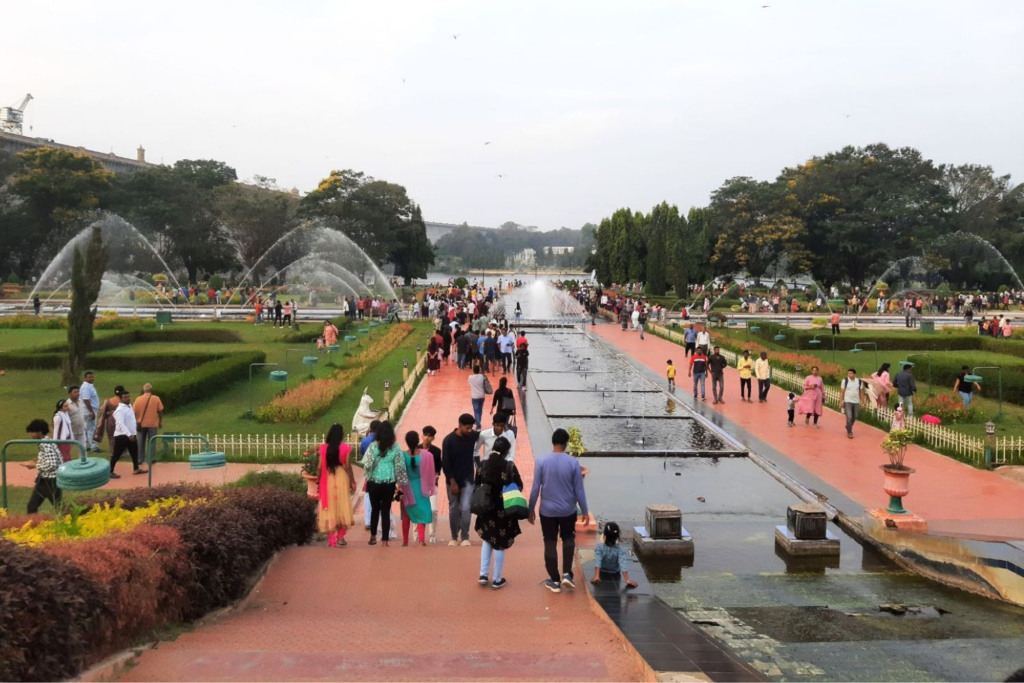
Crowd density then builds steadily through the afternoon and climbs sharply in the hour or so before the evening light and musical fountain show, which is the garden’s main draw. Visitors who came only for the gardens tend to leave once the light fades, while a fresh wave arrives specifically for the show, so there’s a genuine changeover rather than one crowd simply growing all day.
If you want to experience both the daylight gardens and the evening show without the heaviest crush, arriving in the late afternoon — enough time to see the terraces in daylight, then stay as dusk falls — tends to work better than arriving right at showtime, since seating and viewing spots near the fountain fill up in the thirty to forty-five minutes before the show starts, particularly on weekends.
How Festivals, Long Weekends, and School Holidays Change Things
Mysore Dasara is the single biggest crowd driver tied to the calendar. Because Brindavan Gardens is a short drive from central Mysore, many Dasara visitors combine it with a Mysore Palace visit on the same trip, and the gardens can feel considerably busier than usual for the full festival period, not just on the main Dasara days.
Diwali and other national holidays create shorter, sharper spikes — usually the holiday itself plus the surrounding weekend — rather than a sustained high-crowd stretch. Independence Day and Republic Day long weekends behave similarly.
School vacation periods, particularly the summer break in April–May and the shorter winter break around late December, bring a steadier increase rather than a single spike, since families spread their visits across the whole break rather than concentrating on one date.
None of these dates are fixed year to year in the same way, so it’s worth checking the specific festival calendar for the year you’re traveling rather than assuming last year’s dates will repeat exactly.
Best Time for Photography With Fewer People
Photographers generally get two useful windows. The first is the early morning slot right after opening, when the terrace gardens, hedge patterns, and fountains are photographable without crowds in frame and the light is even. The second is the narrow window just after sunset but before the main evening rush fully arrives — some of the ambient light still remains, the fountain lighting has started, and the heaviest crowd hasn’t yet packed into the viewing area. Weekdays make both windows meaningfully easier to shoot in than weekends, since even the “quiet” weekend morning tends to have more visitors than a weekday equivalent.
If you want to read about photography then check our guide: Brindavan Gardens Photography Guide (2026): Best Photo Spots, Camera Tips & Photography Rules
Where Crowds Build Up First Inside the Gardens
Crowding isn’t uniform across the property, and knowing where it tends to concentrate can help you route your visit better. The area around the entrance gate often becomes a pinch point, particularly in the thirty minutes or so before the evening show, when arriving visitors and ticket queues can overlap at the same spot. Once inside, the central pathway and footbridge connecting the two halves of the garden can fill up quickly in the evening, since many visitors cross through this stretch on their way toward the fountain viewing area.
The viewing gallery and open seating area facing the musical fountain generally sees the highest density of all, especially on weekends and during festival periods — this is typically the one spot where arriving even a little late can mean watching the show from further back than you’d like. By contrast, the terrace gardens further from the central water channel, along with the quieter lawns on the outer edges, tend to stay walkable even when the fountain area is packed, so they can be a reasonable place to spend time if you’re waiting for the crowd near the entrance or the show area to thin out.
Popular photo spots near the main gate and the central fountain area can also see brief clusters of visitors stopping to take pictures, which may slow foot traffic through those exact points even when the broader garden doesn’t feel especially crowded.
Planning by Visitor Type
Families with young children generally do best visiting on a weekday, arriving in the late afternoon so kids can run around the lawns in daylight before the show, and leaving straight after the fountain display rather than lingering, since the crowd and evening chill build up quickly once the show ends.
Senior citizens tend to have a more comfortable visit choosing the same daylight-to-early-evening window, since it avoids both the midday heat during the hotter months and the standing-room crush that can develop right at the fountain viewing area during peak showtime. Walking distances within the gardens are considerable, so a slower, less rushed visit outside peak crowd windows also matters more for this group than for others.
Couples and photographers who specifically want the evening show with fewer people around should prioritize a weekday visit during one of the lower-crowd months in the calendar above, since that combination does more to thin the crowd than adjusting arrival time alone.
First-time visitors on a tight schedule who can’t avoid a weekend or a peak month should still shift their arrival earlier rather than later — arriving well before the show and treating the wait as part of the experience is far more manageable than arriving close to showtime and dealing with a full viewing area.
Is It Worth Arriving Early or Staying Just for the Show?
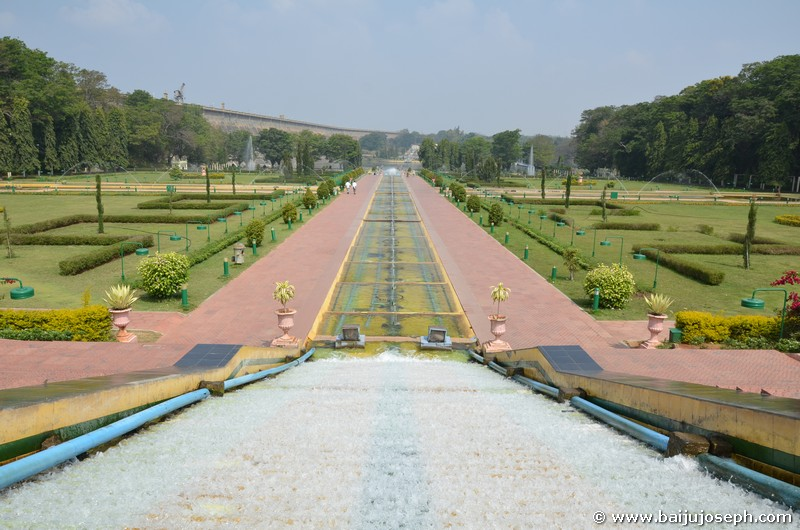
Arriving early and staying through the show tends to be worth it for most first-time visitors, because the daytime gardens and the evening fountain show are genuinely different experiences — the terraces, flowerbeds, and layout are the daytime draw, while the lights and music are specific to the evening. Visitors who only come for the show, right around its start time, miss the daylight gardens entirely and also face the most crowded version of the evening visit.
That said, if your priority is strictly the fountain show and you’re short on time, arriving specifically 45 minutes to an hour before the scheduled evening show, rather than for the full day, is a reasonable compromise — you’ll still get a comfortable viewing spot without spending hours in the daytime heat.
Best Months for Balancing Weather and Crowds
Based on the pattern above, the months that tend to offer the best mix of pleasant weather and manageable crowds are February and late September. Both typically fall between the major holiday-driven peaks — after the January post-New Year rush and before the summer vacation surge, or after the monsoon settles but before Dasara season begins. Weather in both windows is generally comfortable for walking through the gardens during the day, and neither month carries a major fixed festival that would reliably push up visitor numbers.
What to Expect During Peak Season
During Dasara, major holiday weekends, and the peak summer vacation stretch, expect longer queues at the entrance, a fuller parking area with a longer walk to the gate, and a viewing area for the evening show that fills up well before the scheduled start. Seating or standing space near the fountain becomes limited enough that arriving even 30 minutes early may not guarantee a clear view. If you’re visiting during one of these windows, treat the crowd itself as part of what to plan around, rather than expecting a quieter version of a peak-season evening.
Frequently Asked Questions
Does the musical fountain show run on a shorter schedule during off-peak months?
The show generally follows a weekday/weekend timing pattern rather than a seasonal one, though monsoon-season rain can occasionally shorten or delay a specific day’s show. It’s worth confirming the current schedule at the gate or through official sources on the day of your visit, since timings are subject to change.
Is it worth visiting Brindavan Gardens twice — once during the day and once specifically for a quiet evening?
For most visitors, a single well-timed visit (arriving in the late afternoon and staying through the show) covers both experiences without needing a separate trip. A second, evening-only visit mainly makes sense for photographers or residents nearby who want to revisit specifically for the fountain show at a different time of year.
Do fewer people visit on rainy days, and is it still worth going?
Visitor numbers typically do drop on rainy days, since the gardens are largely outdoors and the evening show can be affected by weather. If you don’t mind carrying an umbrella and accept that the fountain show could be shortened or paused, a rainy weekday can actually be one of the least crowded times to see the terraces themselves.
Are there specific days within a festival period that are worse than others?
Generally, the main festival day itself and the weekend closest to it see the heaviest crowds, while the days just before or after a multi-day festival tend to be comparatively calmer, even though the whole period runs busier than usual.
Final Word
Brindavan Gardens is never going to be empty, and that’s fine — it’s popular because the evening show is genuinely worth seeing, and a full viewing gallery is part of what makes it feel like an event rather than a quiet park. The real decision isn’t “how do I avoid the crowd” but “which one or two levers can I actually pull with my dates.” If your travel dates are fixed, the weekday-vs-weekend choice and your arrival time are almost always more within your control than the month itself, so start there. If your dates are flexible, that’s when the month matters most, and it’s worth shifting a trip by even a couple of weeks to sidestep Dasara or a long weekend rather than assuming one month is “the” season to visit. Whichever constraint you’re working with, arriving earlier than feels necessary will do more for your experience than any other single decision you make.

Rahul Sharma is the founder and editor of BrindavanaGarden.com. He researches Brindavan Gardens, Mysore tourism, and nearby attractions using Karnataka Tourism resources, official websites, visitor reviews, maps, and trusted travel references. Every guide is carefully reviewed and updated to keep practical information such as timings, entry fees, travel tips, and visitor advice as accurate and useful as possible. His goal is to help travelers plan smoother, better-informed trips to Brindavan Gardens and the surrounding Mysore region.