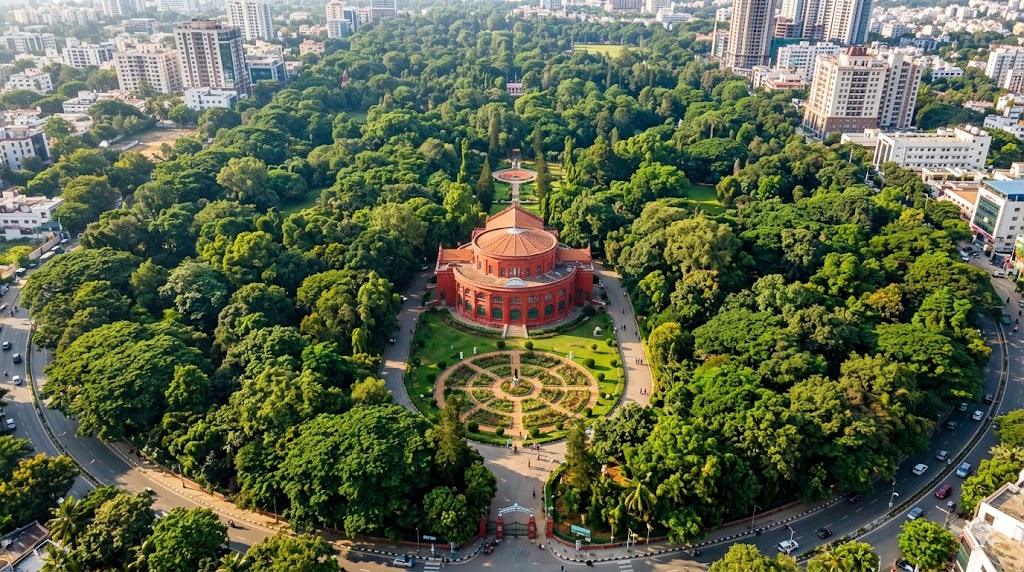
If you’ve ever searched for a peaceful green escape in the middle of bustling Bangalore, chances are Cubbon Park popped up in your mind. This iconic landmark isn’t just another garden — it’s the breathing lung of the city, a place where locals jog at dawn, couples stroll in the evening, and tourists soak in a slice of history mixed with nature. But one question keeps coming up: How many acres is Cubbon Park exactly?
The straightforward answer is around 300 acres (roughly 1.2 square kilometers). While it started much smaller in the 19th century, expansions over the decades have made it the sprawling green haven we know today.
A Quick Walk Through History
Cubbon Park’s story begins in 1870. Back then, it was conceived by Major General Richard Sankey, the Chief Engineer of Mysore State. Originally named Meade’s Park after Sir John Meade (the acting commissioner), it covered just 100 acres. Later, it was renamed Cubbon Park in honor of Sir Mark Cubbon, who served as the longest-serving commissioner of Mysore.
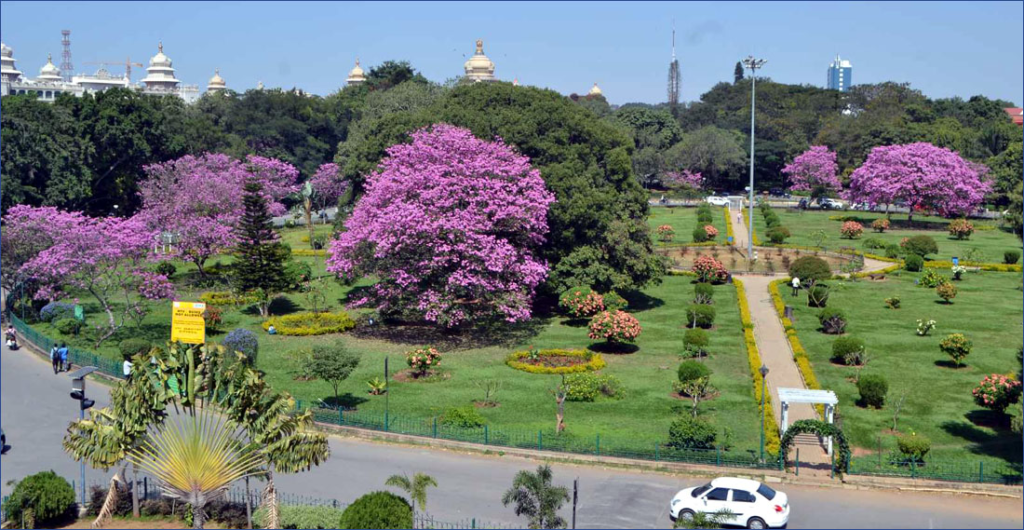
In 1927, to mark the Silver Jubilee of Maharaja Krishnaraja Wodeyar IV’s rule, it received its official name — Sri Chamarajendra Park. But Bangaloreans being Bangaloreans, the name “Cubbon Park” stuck, and that’s what everyone still calls it.
I remember the first time I visited as a kid. My parents told me stories about how this park was planned when Bangalore was still a quiet cantonment town. Standing under those massive, century-old trees today, you can almost feel the layers of time. The British wanted a formal, beautiful public space, and they succeeded beyond measure.
Why 300 Acres Matters in a Concrete Jungle
Bangalore has grown explosively. What was once called the Garden City now fights traffic, pollution, and shrinking green cover every single day. In this context, a 300-acre park right in the heart of the Central Business District feels like a miracle.
To put it in perspective:
- That’s roughly the size of 230 football fields.
- It’s significantly larger than many well-known urban parks across India.
- The park acts as a natural air purifier for the surrounding government offices, courts, and commercial areas.
Over the years there have been debates and reports about land shrinkage due to buildings on the periphery, but the core green area remains a cherished 300-acre expanse that the Horticulture Department maintains.
What Makes Cubbon Park Special?
It’s not just the size — it’s the soul.
The Trees and Greenery The park is home to nearly 6,000 trees from around 100–197 species (depending on the latest census). You’ll find indigenous giants like banyan, peepal, and mango, along with exotic beauties such as Silver Oak (Grevillea robusta), Gulmohar (with its fiery red blooms), Araucaria, and Mahogany. Many of these trees are over a hundred years old. Walking beneath their canopy on a hot afternoon feels like stepping into natural air-conditioning.
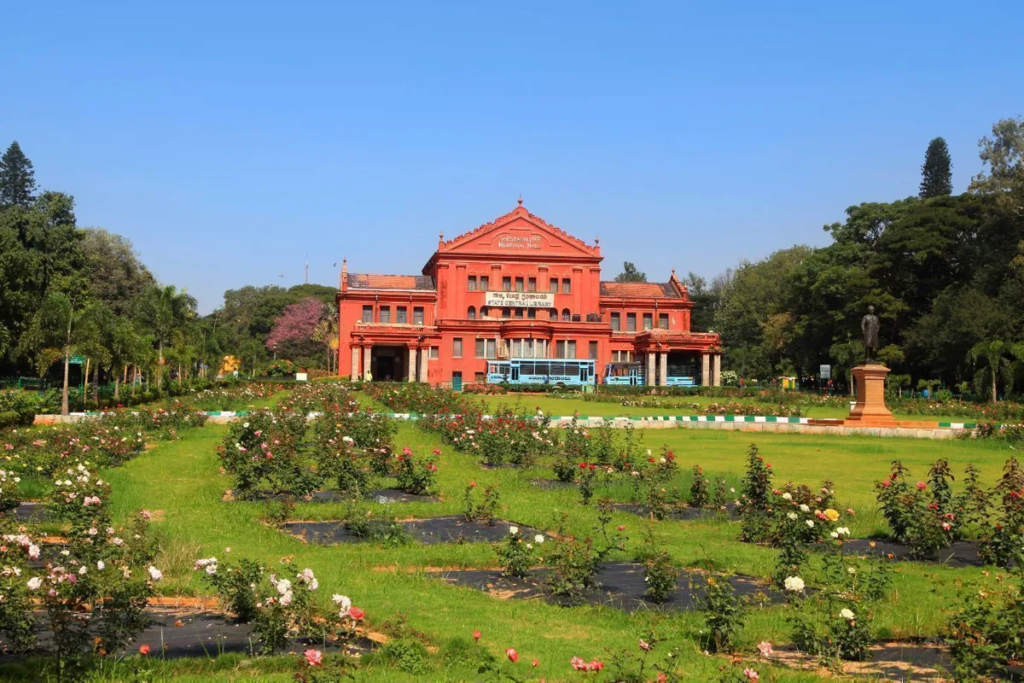
Statues and Heritage Structures Scattered thoughtfully across the park are statues of Queen Victoria, King Edward VII, Sir Mark Cubbon, and Chamarajendra Wodeyar. The majestic Attara Kacheri (High Court) building in classic red stands at one end, while the beautiful Seshadri Iyer Memorial Hall — home to the State Central Library — sits proudly in the middle, fronted by a lovely rose garden.
Attractions for Everyone
- Namma Bengaluru Aquarium: One of the oldest and largest in South India. Kids (and adults) love it.
- Jawahar Bal Bhavan: With a toy train, playground, and activities for children.
- Walking and Jogging Paths: Early mornings see hundreds of fitness enthusiasts.
- Lawns and Quiet Corners: Perfect for reading, picnics, or just people-watching.
- Birdwatching: Over the years, bird lovers have spotted dozens of species here.
Best Time to Visit Cubbon Park
The park opens around 6:00 AM and closes by 6:00 PM (timings can vary slightly). It’s closed on Mondays and sometimes on the second Tuesday of the month.
Pro tips from someone who’s visited many times:
- October to February is ideal — pleasant weather, blooming flowers, and comfortable for long walks.
- Early morning (before 8 AM) or late afternoon offers the best experience. The light filtering through the trees is magical.
- Avoid peak summer afternoons unless you love sweating.
Entry is completely free, though some internal attractions like the aquarium or toy train have small fees.
A Day in Cubbon Park: My Personal Experience
Last winter, I took my niece and nephew there. We started with filter coffee from a nearby stall, entered from the Kasturba Road gate, and just wandered. The kids were thrilled by the toy train ride. I sat near the bandstand imagining British officers listening to music a century ago. We spotted parrots, mynas, and even a few squirrels brave enough to come close.
By evening, the park filled with office-goers unwinding after work. Someone was practicing yoga under a tree. A group of college students debated over books near the library. That’s the beauty of Cubbon Park — it belongs to everyone.
Why We Must Protect It
In a city that has lost many green spaces to development, Cubbon Park stands as a symbol of what’s worth preserving. There’s a Karnataka Government Parks (Preservation) Act that strictly limits constructions inside to protect its character. Citizens and walkers’ associations keep a watchful eye too.
Every tree here matters. Every acre helps combat urban heat and pollution. When you visit, you’re not just enjoying a park — you’re experiencing a piece of Bangalore’s living heritage.
How to Reach Cubbon Park
Located in the Central Business District, it’s super accessible:
- Metro: Cubbon Park Metro Station is literally at the entrance.
- Bus: Plenty of routes stop nearby.
- Landmarks: Near Vidhana Soudha, High Court, and MG Road.
Whether you’re a Bangalorean looking for your daily dose of green or a tourist wanting to understand the city’s soul, Cubbon Park delivers.
Read Also: Cubbon Park Flower Show Location Guide for Visitors
Complete Guide to Cubbon Park Toy Train Ride 2026
Where Is Cubbon Park Located? Complete Travel Guide
Final Answer to the Big Question
Cubbon Park Bangalore spans approximately 300 acres today.
It has grown from its original 100 acres into one of the most loved public spaces in India. More than the exact number, what matters is what it gives back — oxygen, peace, memories, and a reminder that even in fast-paced modern cities, nature deserves center stage.
Next time you’re in Bangalore, don’t just drive past it. Step in, take a deep breath, and walk those shaded paths. You’ll leave feeling lighter, happier, and maybe even a little more connected to the city’s green heart.
Whether you come for the history, the exercise, the photos, or simply to sit quietly under a 150-year-old tree, Cubbon Park welcomes you with open arms — all 300 acres of them.
Frequently Asked Questions (FAQs)
Q1: How many acres is Cubbon Park Bangalore?
Cubbon Park spans approximately 300 acres (around 1.2 square kilometers) in the heart of Bangalore.
Q2: When was Cubbon Park established?
It was established in 1870 by Major General Richard Sankey and was originally named after Sir Mark Cubbon.
Q3: What is the best time to visit Cubbon Park?
The best time is from October to February, preferably early morning or late afternoon for pleasant weather.
Q4: What are the visiting timings of Cubbon Park?
The park is open from 6:00 AM to 6:00 PM. It remains closed on Mondays and sometimes on the second Tuesday of the month.
Q5: Is entry to Cubbon Park free?
Yes, entry to the main park is completely free. However, the aquarium and toy train have small nominal charges.
Q6: How do I reach Cubbon Park?
It is very well connected. You can take the Cubbon Park Metro Station (Purple Line), buses, or taxis. It is located near Vidhana Soudha and MG Road.
Q7: How many trees are there in Cubbon Park?
The park is home to nearly 6,000 trees belonging to over 100 different species, many of which are over 100 years old.
Q8: Is photography allowed in Cubbon Park?
Yes, personal photography is allowed. However, commercial shoots may require prior permission from the authorities.
Q9: Are there any attractions inside Cubbon Park?
Yes, major attractions include the Seshadri Iyer Memorial Library, Namma Bengaluru Aquarium, Jawahar Bal Bhavan, and several heritage statues.
Q10: Is Cubbon Park safe for solo visitors and families?
Yes, it is generally very safe and family-friendly, with good crowd presence during visiting hours.

Rahul Sharma is the founder and editor of BrindavanaGarden.com. He researches Brindavan Gardens, Mysore tourism, and nearby attractions using Karnataka Tourism resources, official websites, visitor reviews, maps, and trusted travel references. Every guide is carefully reviewed and updated to keep practical information such as timings, entry fees, travel tips, and visitor advice as accurate and useful as possible. His goal is to help travelers plan smoother, better-informed trips to Brindavan Gardens and the surrounding Mysore region.