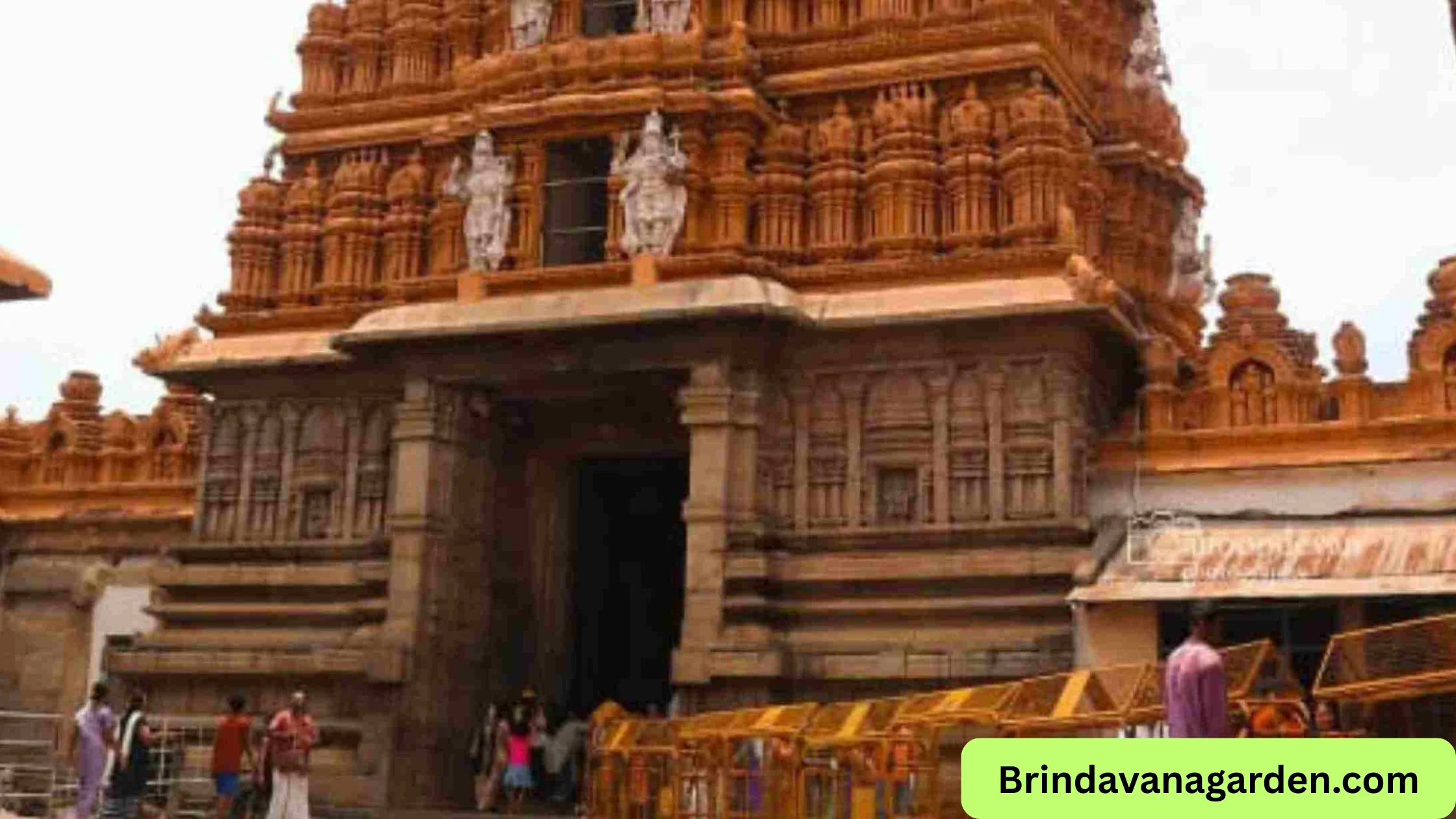
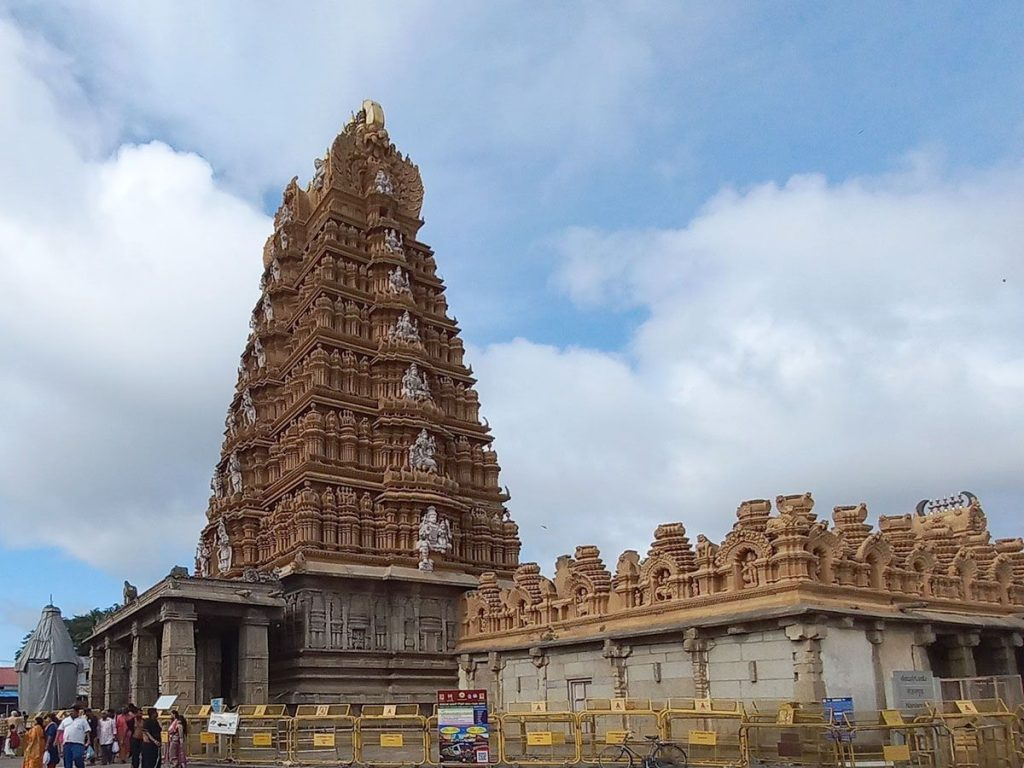
If you’ve searched for this temple and landed on pages about Srirangam in Tamil Nadu, you’re not alone. The Sri Ranganathaswamy Temple in Srirangapatna sits on an island in the Kaveri River in Mandya district, Karnataka, close to Mysuru. It shares its presiding deity, Lord Ranganatha, and even part of its name with the far larger Srirangam temple near Tiruchirappalli — the two are linked through an old pilgrimage tradition tied to the river, but they’re separate temples in separate states, with separate timings, rules, and crowd patterns. This guide focuses only on the Sri Ranganathaswamy Temple in Srirangapatna, Karnataka.
Quick Info
| Information | Details |
|---|---|
| Temple Name | Sri Ranganathaswamy Temple |
| Location | Srirangapatna, Mandya |
| Darshan Schedule | Morning & Evening Sessions (See Timings Below) |
| Entry Fee | Free General Darshan |
| Dress Code | Traditional / Modest Clothing Recommended |
| Photography | Not permitted inside temple |
| Best Time to Visit | Weekday mornings |
Last Reviewed: July 2026
Next Scheduled Review: Before major 2026–27 festival announcements
Looking for the latest darshan timings? Start with the schedule below, then read the visitor tips to avoid common planning mistakes.
Srirangapatna Temple Timings (2026)
Morning Darshan: 7:00 AM–1:00 PM (commonly reported)
Evening Darshan: 4:00 PM–8:00/8:30 PM (commonly reported)
Midday Closure: Usually around 1:00 PM–4:00 PM
Important: Published schedules vary slightly across sources. Confirm the latest timings before visiting, especially on festival days.
The temple generally operates in two blocks: a morning session and an evening session, with a break in between when the sanctum closes and rituals pause. Most listings put the morning window at 7:00 AM to 1:00 PM or 1:30 PM, reopening around 4:00 PM and running until 8:00 PM or 8:30 PM.
Published timings for this temple vary across different sources, which can make planning a visit slightly confusing. Some pages list a straight 6:30 AM to 8:00 PM with no break at all, others mention 6:00 AM to 9:00 PM with a longer midday closure from noon to 4:00 PM. There’s no single official website or Muzrai Department listing currently available to settle which version is accurate.
What this means practically: don’t plan a visit around a razor-thin window, especially if you’re arriving from Mysuru or Bengaluru on a schedule. If you’re travelling specifically for darshan, it’s worth confirming the latest timings before your visit. The one point that most published schedules agree on is the midday closure. If you’re unsure of the exact timings, avoiding the early afternoon period is generally the safest approach.
Srirangapatna Temple Entry Fee
General darshan at the Sri Ranganathaswamy Temple is free, and this holds consistently across every listing for the temple — unlike some Karnataka monuments nearby (Tipu Sultan’s Gumbaz and Daria Daulat Bagh, both a short drive away, do charge small entry fees).
Reliable public information about temple-specific pricing for special sevas or paid darshan options is currently limited. If you’re hoping to book a seva or move through a queue faster during a festival, ask at the temple counter on arrival rather than relying on a fixed figure — better that than a number that’s wrong by the time you’re at the gate.
Srirangapatna Temple Dress Code
Visitors are generally expected to wear modest clothing suitable for a Hindu temple. Men are typically advised to wear full-length trousers or a dhoti with a shirt, while women commonly wear a saree, salwar kameez, or other modest traditional attire. Clothing such as shorts or sleeveless outfits may not be considered appropriate, so dressing conservatively helps avoid any inconvenience at the entrance.
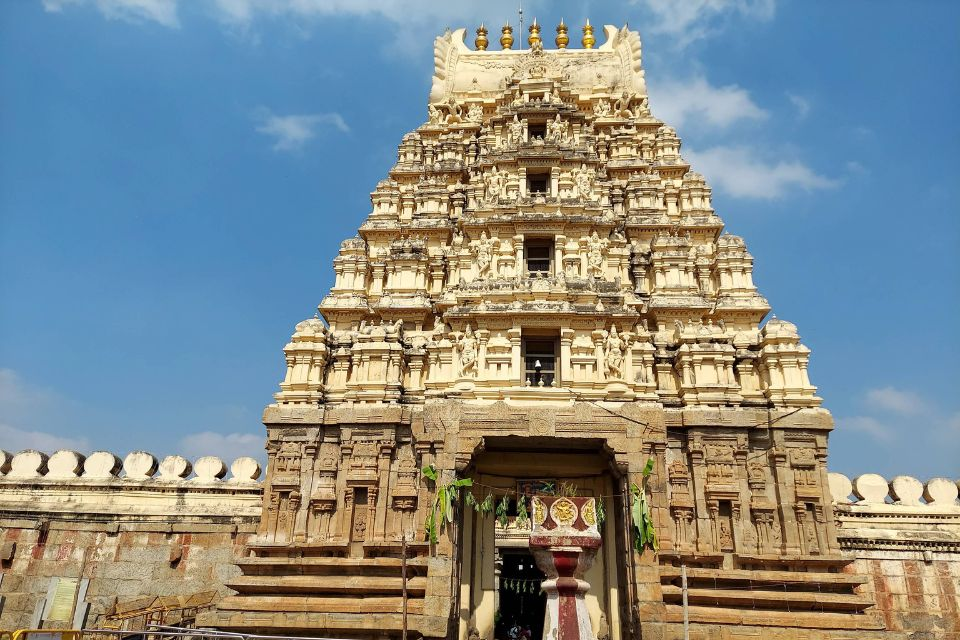
Visitors are advised to follow the temple’s dress expectations, as appropriate attire may be checked before entry. Some South Indian temples keep spare wraparound dhotis or shawls at the entrance for underdressed visitors. However, current publicly available information does not clearly confirm whether this facility is available at the Sri Ranganathaswamy Temple in Srirangapatna. Carrying a stole or shawl as a backup is a simple precaution.
Footwear, Mobile Phones & Photography Rules
Footwear comes off before entry, as it does at any Hindu temple. Information about a dedicated footwear counter isn’t consistently available. Many visitors leave their footwear near the entrance, but arrangements may vary. If you’re used to temples with a paid shoe-check counter, it’s worth noting that footwear arrangements here may be more informal. Avoid leaving valuables with your footwear.
Photography inside the temple, particularly around the sanctum, is generally not permitted. Visitors should avoid taking photos or videos unless explicitly allowed by temple authorities. Mobile phones aren’t taken from you at the door, but using one to shoot photos or video inside isn’t permitted. If you were hoping for pictures of the deity or the inner mandapam, that’s not something you’ll be able to do here.
Visitor Information Before You Go
Parking is available near the temple, with space for cars and two-wheelers close to the premises. None of the available listings specify pricing, so treat it as informal roadside or lot parking rather than a managed paid facility. Reliable public information about drinking water, restroom facilities, wheelchair accessibility, and visitor amenities is currently limited.
The crowd pattern is easier to pin down. Weekends and festival days bring longer queues, while early mornings on weekdays are the quieter option by a clear margin. If you’re travelling with elderly family or want easier movement through the temple, a weekday morning right after opening is your best lever — there’s no separate fast-track or priority line mentioned anywhere for this temple. Given the gaps around facilities, carry your own water and don’t assume restroom access will be close at hand, particularly if you’re combining this stop with the rest of a Srirangapatna day trip.
Festival Timings & Special Occasions
Festival days change the rhythm of this temple more than the calendar entry suggests. Makara Sankranthi Brahmotsava, observed in the Pushya month, is one of the temple’s major occasions, and its sixth day is particularly significant — the Vaikunta Dwara, a special entrance door, is opened for devotees, and the deity is decorated differently for the occasion. The Dodda Rathothsava, or big chariot festival, held on Shukla Sapthami in the Magha month, is another major draw that pulls in crowds well beyond a typical weekend.
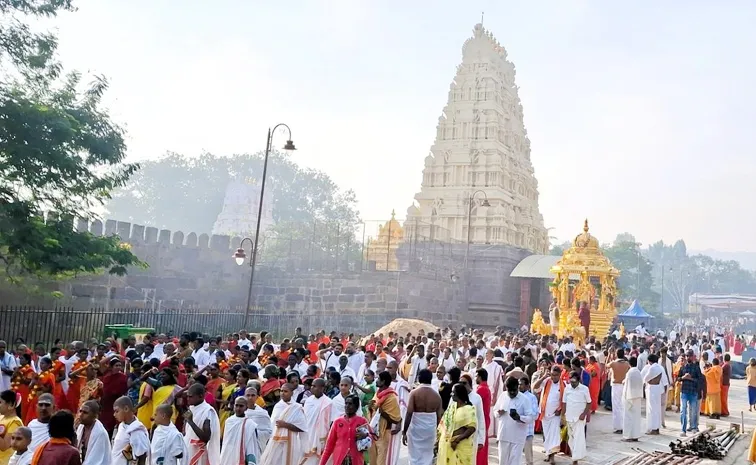
Exact 2026 dates for either festival aren’t something to rely on here, since both follow the Hindu lunar calendar and shift year to year — check the date closer to your travel plans if you’re building a trip around one specifically. On major festival days, darshan timings and temple routines may be adjusted to accommodate special rituals and larger crowds. If you’re planning your visit during one of these festivals, it’s best to confirm the day’s schedule before travelling.
Visitors seeking a quieter experience may prefer to avoid major festival days, while those wishing to witness special rituals may find these occasions especially meaningful.
No consistently verified information is currently available regarding Srirangapatna-specific timing changes for Vaikunta Ekadashi. Visitors may encounter larger crowds during Vaikunta Ekadashi, so checking the day’s darshan schedule before travelling is recommended.
Read Also: Lesser Known Temples Near Brindavan Gardens
How Much Time Should You Plan for Your Visit?
On a normal weekday, many visitors can comfortably complete darshan and spend some time inside the temple in well under an hour. Weekends, public holidays, and festivals can increase the overall visit time because of longer queues. If you’re also planning to visit attractions such as Tipu Sultan’s Gumbaz, Daria Daulat Bagh, or the Srirangapatna Fort, allowing around 60–90 minutes for the temple stop is usually sufficient.
If you’re visiting from Mysuru or Bengaluru, planning your arrival outside the midday closure and allowing some flexibility in your schedule can make the visit much smoother. During festivals or public holidays, confirming the latest darshan timings before you travel is a sensible final step.
A note on accuracy: Temple timings, entry rules, and festival schedules can change without much advance notice, particularly around major occasions like Brahmotsavam or Vaikunta Ekadashi. The details in this guide reflect the most consistent information available at the time of writing, but readers planning a visit should confirm current timings directly with the temple or a local source before travelling.
Also See: Shivanasamudra Falls from Mysore: Distance, Route & Best Time to Visit

Rahul Sharma is the founder and editor of BrindavanaGarden.com. He researches Brindavan Gardens, Mysore tourism, and nearby attractions using Karnataka Tourism resources, official websites, visitor reviews, maps, and trusted travel references. Every guide is carefully reviewed and updated to keep practical information such as timings, entry fees, travel tips, and visitor advice as accurate and useful as possible. His goal is to help travelers plan smoother, better-informed trips to Brindavan Gardens and the surrounding Mysore region.