
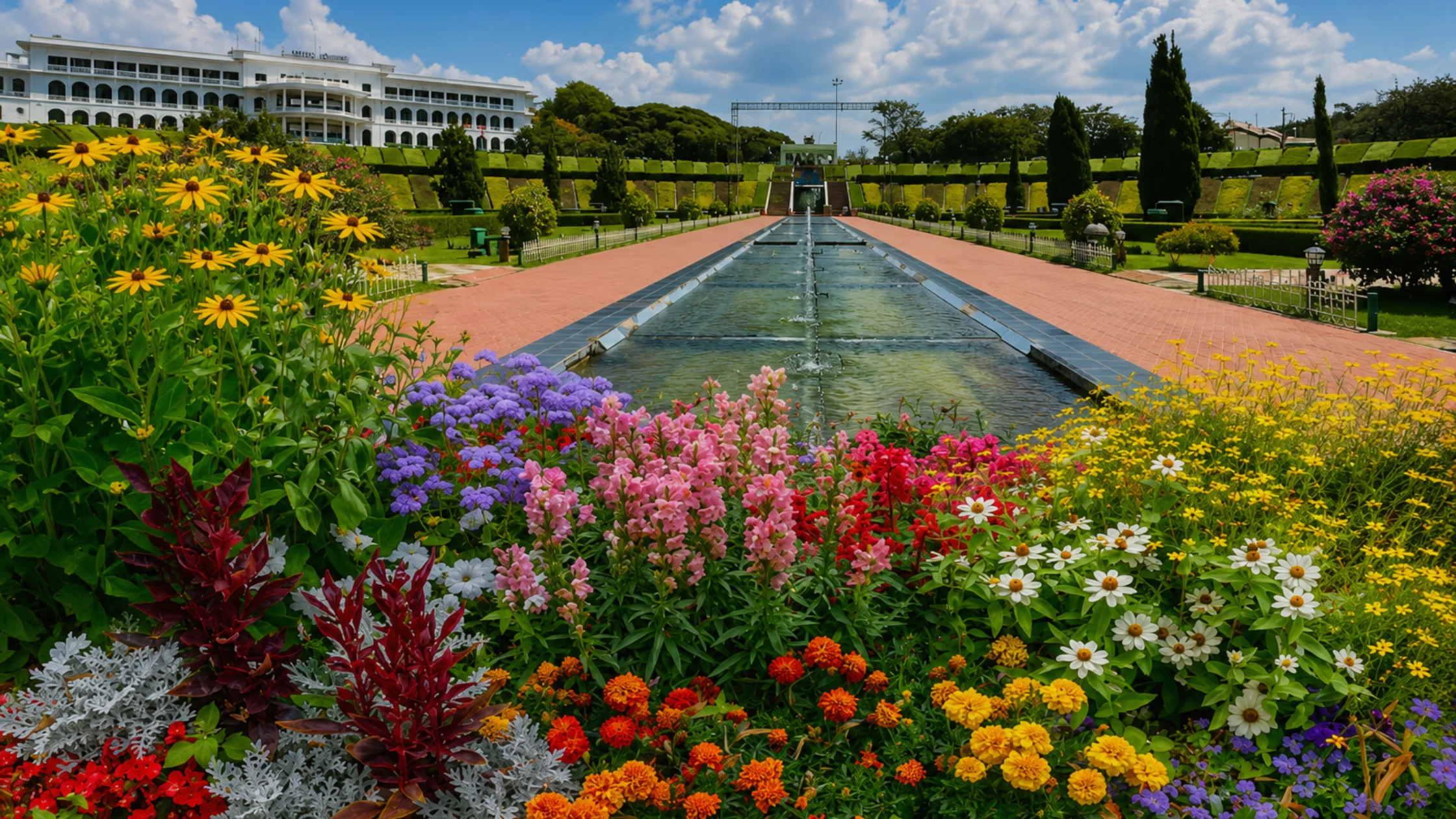
When most people think about Brindavan Gardens, the first images that come to mind are the famous musical fountains, illuminated pathways, and the stunning terrace layout overlooking the Krishna Raja Sagar Dam. While these attractions draw thousands of visitors every year, there is another side of the gardens that often goes unnoticed—the remarkable collection of plants, flowering species, ornamental shrubs, and towering trees that give the garden its timeless charm.
The beauty of Brindavan Gardens is not created by fountains alone. It is the carefully planned landscape, seasonal flowers, green lawns, flowering avenues, and decorative plant arrangements that transform the garden into one of the most admired horticultural attractions in India.
In this guide, we take a closer look at the plants and flowers found in Brindavan Gardens, their role in the garden’s design, and why they continue to attract nature lovers, photographers, and gardening enthusiasts.
The Importance of Plants in Brindavan Gardens
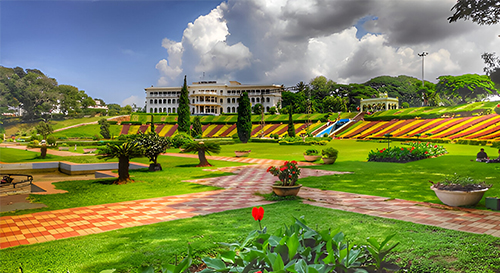
Brindavan Gardens was designed with inspiration from classical Mughal-style gardens, where greenery and water features work together to create a balanced landscape. Every lawn, pathway, flower bed, and terrace section was planned to maintain visual harmony.
Plants in the garden serve several purposes:
- Enhance the visual appeal of the landscape
- Provide seasonal color throughout the year
- Create shaded walking areas for visitors
- Support local birds and pollinators
- Improve the microclimate of the garden
- Define different sections of the landscape
The result is a garden that remains attractive even when flowers are not at their peak bloom.
Seasonal Flowering Plants Found in Brindavan Gardens
One of the most attractive features of the garden is its colorful flower beds. Different species bloom throughout the year, ensuring that visitors can enjoy vibrant displays in every season.
Roses
Roses are among the most admired flowers in Brindavan Gardens. They are planted in decorative beds and arranged in carefully maintained sections.
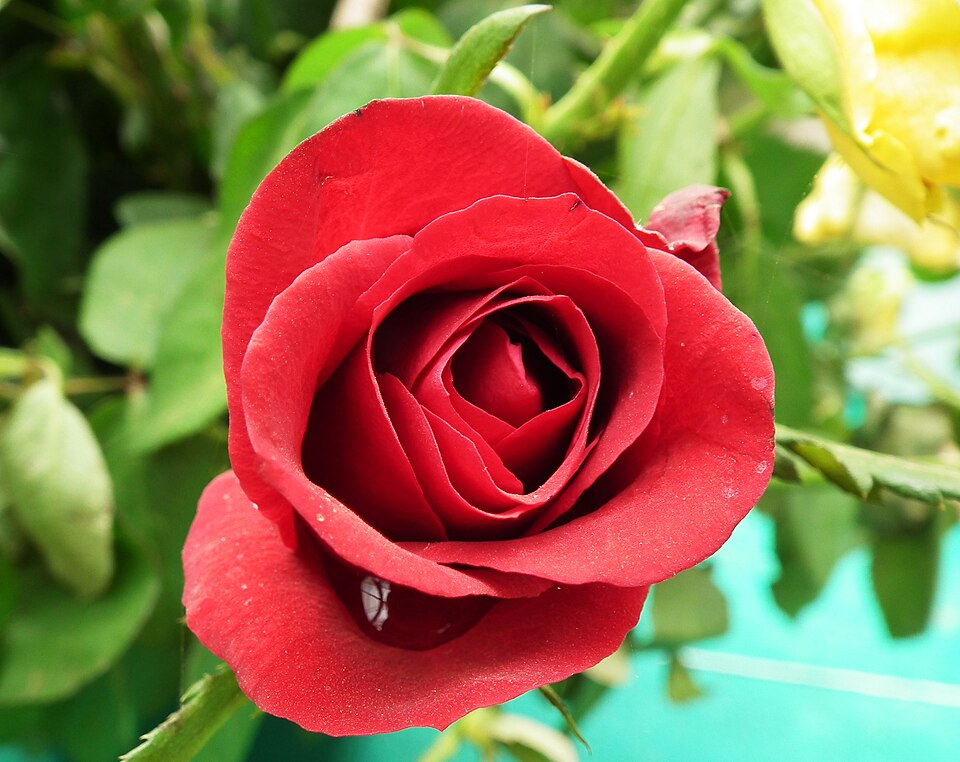
Visitors can often spot:
- Red roses
- Pink roses
- White roses
- Yellow roses
- Orange hybrid varieties
The rose beds become especially attractive during cooler months when blooming conditions are ideal.
Marigolds
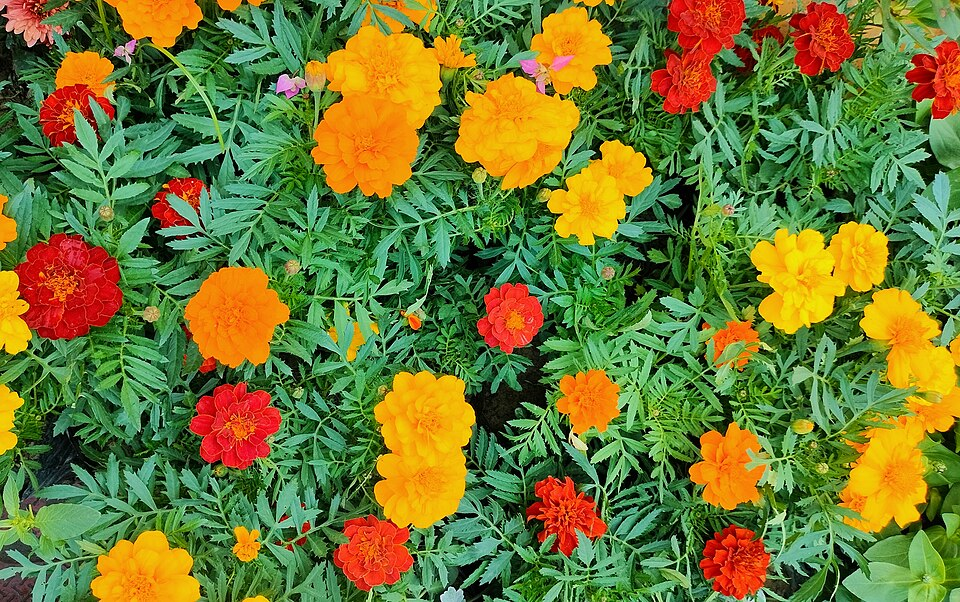
Marigolds add bright yellow and orange colors to many parts of the garden.
These flowers are popular because:
- They bloom for long periods
- They tolerate warm weather
- They require relatively low maintenance
- They create eye-catching borders
Large groups of marigolds often line pathways and decorative flower sections.
Zinnias
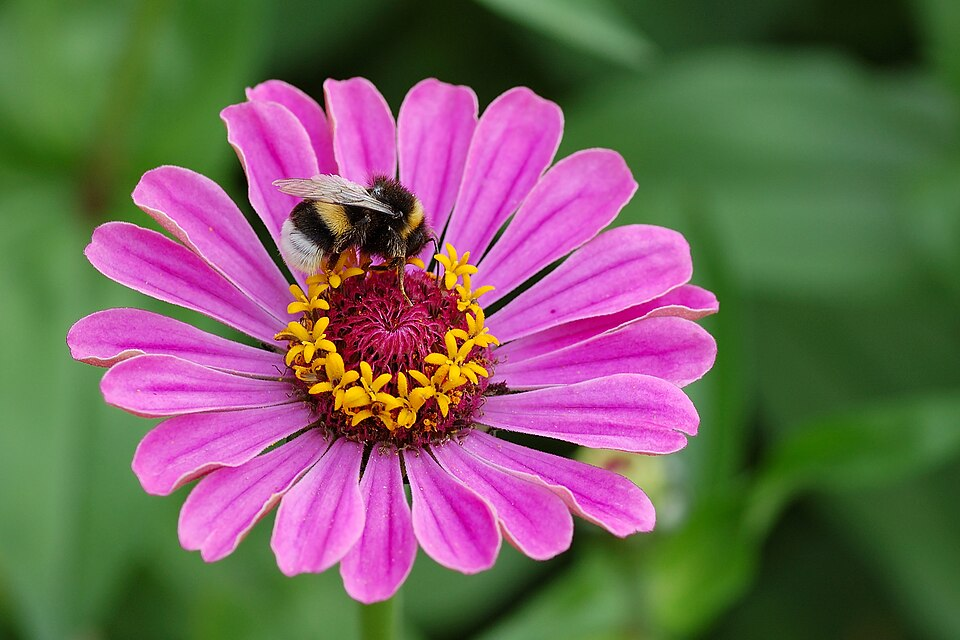
Zinnias are known for their vivid colors and long flowering season.
Common colors include:
- Pink
- Red
- Purple
- White
- Orange
- Yellow
These flowers help create colorful displays that remain attractive for several months.
Petunias
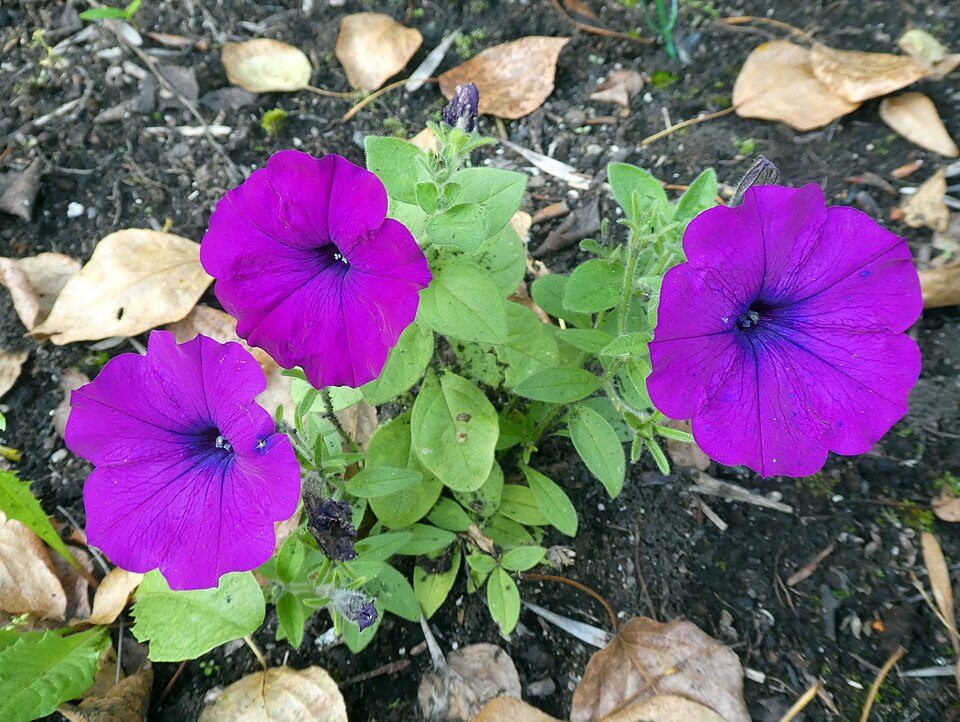
Petunias are often planted in ornamental flower beds where they provide dense clusters of blooms.
Their trumpet-shaped flowers come in many shades and are particularly attractive during the cooler parts of the year.
Dahlias
Dahlias are among the larger flowering plants that occasionally appear in seasonal displays.
Their large blooms create dramatic focal points within garden beds and are popular among photographers.
Cosmos
Cosmos flowers bring a natural and delicate appearance to landscaped sections.
Their light, airy flowers sway gently in the breeze and add texture to flower displays.
Decorative Shrubs That Shape the Garden
Flowers provide color, but shrubs create structure.
Many ornamental shrubs are carefully trimmed into attractive shapes and patterns throughout Brindavan Gardens.
Duranta
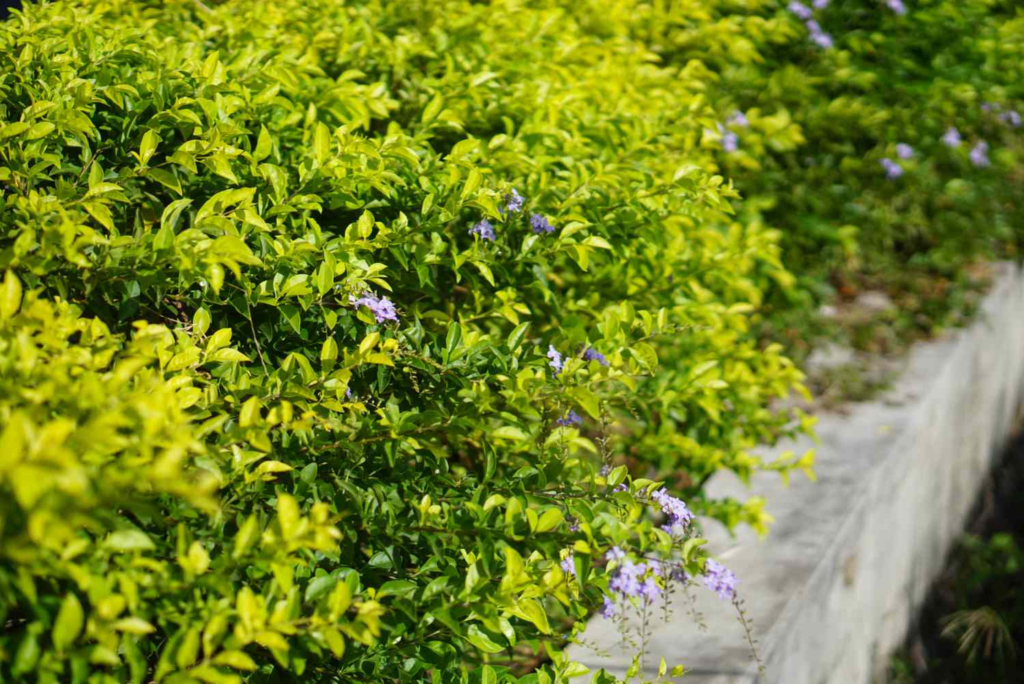
Duranta shrubs are commonly used in landscape borders.
They are valued for:
- Dense growth
- Attractive foliage
- Easy maintenance
- Ability to form hedges
Gardeners frequently shape them into decorative forms.
Crotons
Crotons are known more for their leaves than their flowers.
Their foliage can display:
- Yellow
- Red
- Orange
- Green
- Purple shades
These colorful leaves provide visual interest throughout the year.
Ixora
Ixora shrubs produce clusters of small flowers that bloom in bright colors.
Popular varieties include:
- Red Ixora
- Orange Ixora
- Yellow Ixora
They are often planted near pathways and open lawn sections.
Hibiscus
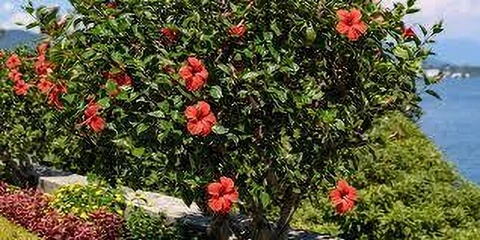
Hibiscus shrubs contribute large, attractive flowers and lush greenery.
Their blooms can often be seen in:
- Red
- Pink
- Yellow
- White
These plants thrive in the warm climate of southern India.
Ornamental Foliage Plants
Not every attractive plant in Brindavan Gardens is grown for flowers.
Several foliage plants are used to add texture and contrast.
Coleus
Coleus plants display colorful leaves featuring combinations of:
- Green
- Burgundy
- Pink
- Yellow
These plants help create striking patterns in ornamental beds.
Agave
Agave plants provide a bold architectural appearance.
Their thick, pointed leaves contrast beautifully with softer flowering plants nearby.
Canna Plants
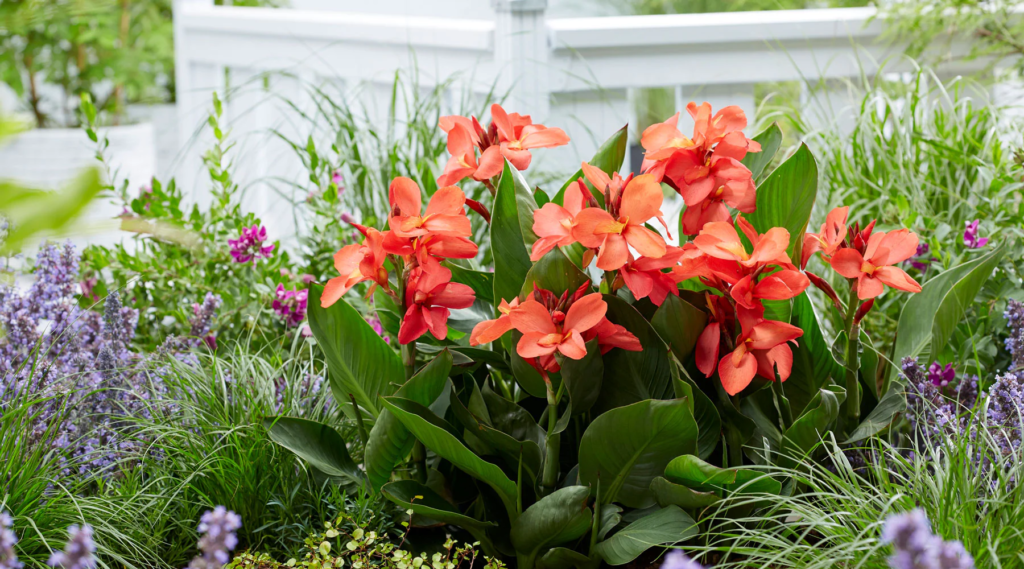
Cannas contribute both attractive leaves and colorful flowers.
Their tropical appearance makes them a popular choice for large garden displays.
Trees Found in Brindavan Gardens
Large trees play a major role in creating the peaceful atmosphere visitors enjoy.
They provide:
- Shade
- Cooling effects
- Habitat for birds
- Landscape balance
Ashoka Trees
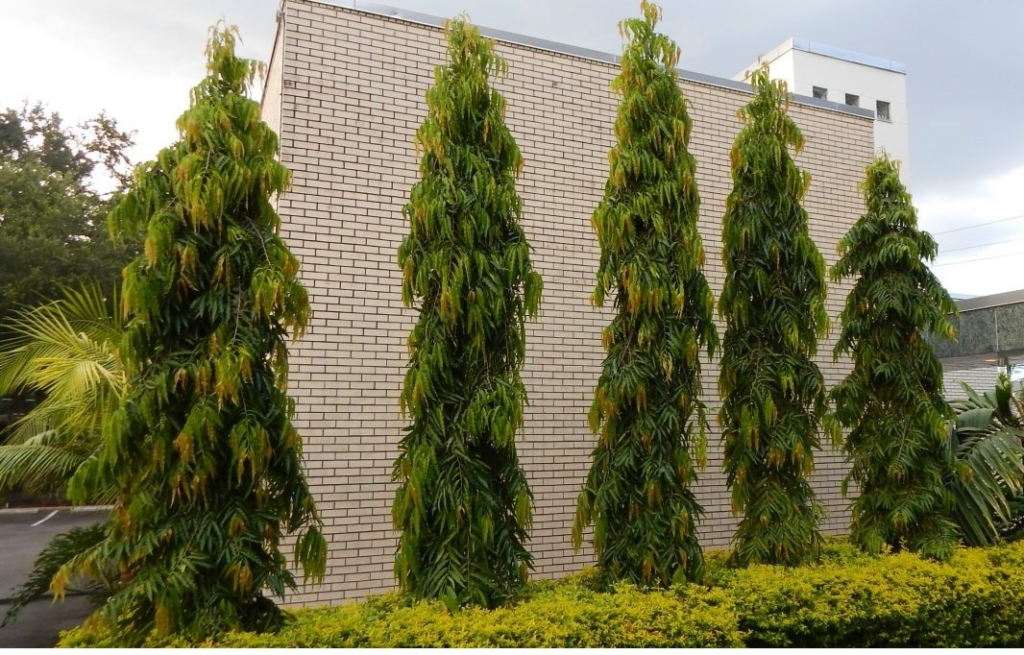
Ashoka trees are commonly planted along pathways and avenues.
Their upright growth habit makes them ideal for formal garden designs.
Gulmohar Trees
Gulmohar trees are famous for their brilliant red-orange flowers.
When in bloom, they create spectacular displays that stand out against the garden’s greenery.
Neem Trees
Neem trees provide valuable shade and are well suited to the local climate.
Their presence contributes to the garden’s environmental health.
Rain Trees
Rain trees develop broad canopies that create cool resting areas for visitors.
These trees are particularly appreciated during warm afternoons.
Banyan Trees
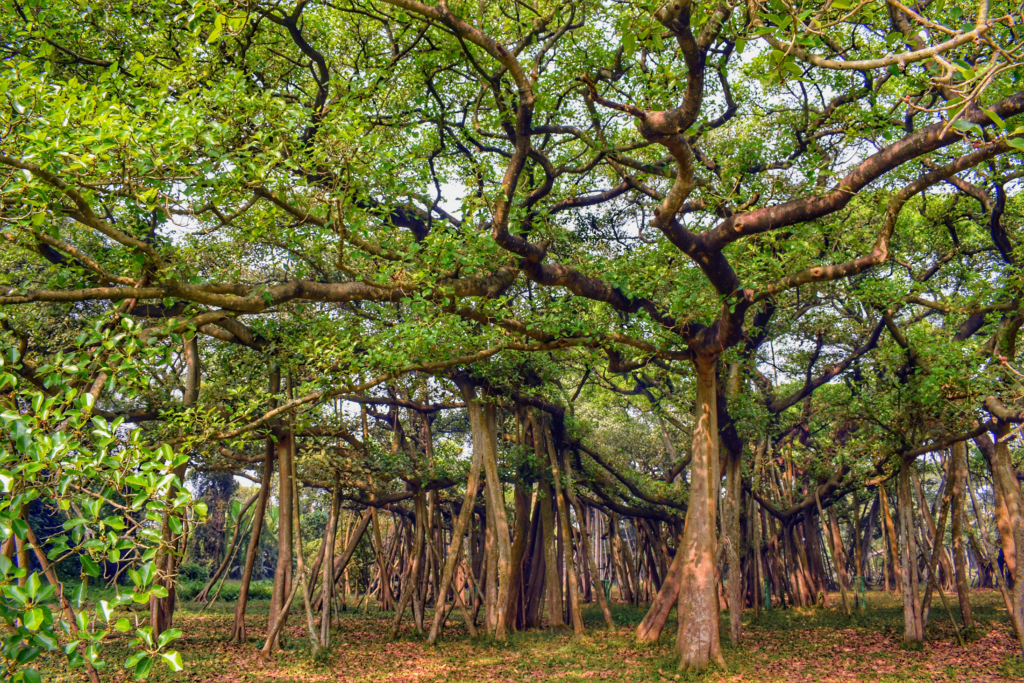
Some mature banyan trees can also be found in and around landscaped areas.
Their impressive structure adds character and historical significance to the landscape.
Aquatic Plants Near Water Features
The many water channels and fountains throughout Brindavan Gardens create opportunities for aquatic vegetation.
Depending on maintenance schedules and seasonal conditions, visitors may spot:
- Water lilies
- Floating aquatic plants
- Decorative pond vegetation
These plants soften the appearance of water features and contribute to the overall aesthetic appeal.
Topiary Art and Shaped Plants
One of the most fascinating horticultural features of Brindavan Gardens is the use of topiary.
Topiary involves trimming shrubs into decorative forms.
Gardeners create:
- Geometric shapes
- Decorative patterns
- Animal-inspired forms
- Artistic landscape features
Maintaining these designs requires regular pruning and skilled horticultural work.
Best Season to See Flowers in Brindavan Gardens
Although the gardens remain attractive throughout the year, flowering displays are often at their best during:
October to February
This period offers:
- Pleasant weather
- Vibrant flower beds
- Healthy lawns
- Comfortable walking conditions
Many visitors consider these months the ideal time to appreciate the garden’s plant diversity.
Monsoon Season
The rainy season transforms the gardens into a lush green landscape.
Visitors can enjoy:
- Fresh foliage
- Dense greenery
- Healthy flowering plants
- Scenic photography opportunities
Birds and Pollinators Supported by Garden Plants
The wide variety of flowers attracts many beneficial insects and birds.
Common visitors include:
- Butterflies
- Honeybees
- Sunbirds
- Small nectar-feeding birds
These species help pollinate flowers and contribute to the garden’s ecological balance.
Why Plant Diversity Makes Brindavan Gardens Special
What separates Brindavan Gardens from many urban parks is its combination of horticulture, landscaping, and architecture.
Visitors are not simply looking at flower beds. They are experiencing a carefully designed environment where:
- Water and greenery complement each other
- Trees create natural shade corridors
- Seasonal flowers add changing colors
- Ornamental shrubs provide structure
- Open lawns offer visual balance
This thoughtful integration is what gives the gardens their distinctive character.
Read Also: Brindavan Gardens Photography Guide: Best Photo Spots, Timing & Camera Tips (2026)
Conclusion
The plants and flowers found in Brindavan Gardens are far more than decorative additions. They are the foundation of the garden’s beauty and identity. From colorful roses and marigolds to elegant Ashoka trees, ornamental shrubs, tropical foliage plants, and seasonal blooms, every element contributes to the unforgettable experience visitors enjoy.
While the musical fountain often steals the spotlight, a closer look at the garden reveals a rich collection of plant life that deserves equal appreciation. Whether you are a casual traveler, a photographer, or a gardening enthusiast, exploring the diverse flora of Brindavan Gardens offers a deeper understanding of why this iconic destination remains one of Karnataka’s most beloved attractions.
Frequently Asked Questions
What are the most common flowers found in Brindavan Gardens?
Some of the most commonly seen flowers include roses, marigolds, zinnias, petunias, cosmos, dahlias, and ixora.
Are there rose gardens inside Brindavan Gardens?
Rose varieties are planted in several ornamental sections of the garden and are among the most popular flowering displays.
Which season is best for viewing flowers in Brindavan Gardens?
October to February is generally considered the best season because the weather is pleasant and many flowers bloom during this period.
Are there large trees inside Brindavan Gardens?
Yes. Visitors can find Ashoka trees, Gulmohar trees, Neem trees, Rain Trees, and other shade-providing species throughout the garden.
Does Brindavan Gardens have aquatic plants?
Some water features and channels may contain aquatic vegetation such as water lilies and other ornamental pond plants depending on seasonal conditions.
Are the plants in Brindavan Gardens maintained regularly?
Yes. The gardens are maintained by horticultural staff who care for lawns, flower beds, shrubs, trees, and topiary displays throughout the year.
Why is Brindavan Gardens famous among gardening enthusiasts?
The garden combines landscape design, seasonal flowers, ornamental plants, topiary art, water features, and tree-lined avenues, making it an excellent example of large-scale public horticulture.

Rahul Sharma is the founder and editor of BrindavanaGarden.com. With over two years of experience working on travel and tourism websites, he focuses on creating informative guides, visitor resources, and destination-based content. His goal is to provide readers with clear, practical, and well-researched information about Brindavan Gardens, Mysore, and nearby attractions.