
Watching birds is one of the most peaceful ways to experience nature around Brindavan Gardens. While most visitors come to admire the famous musical fountain, landscaped lawns, and evening lights, the surrounding area also attracts a variety of birds thanks to its gardens, trees, open water, and the nearby KRS reservoir.
If you enjoy photography, nature walks, or simply want a quieter experience away from the busiest tourist spots, bird watching can add a completely different side to your visit. You do not have to be an expert birder to appreciate it. Even first-time visitors can spot several interesting species with a little patience and the right timing.
This guide explains where to look, what you might see, and how to make your bird-watching trip more enjoyable.
Why the Area Around Brindavan Gardens Attracts Birds
Birds are drawn to places that offer food, water, and shelter. The landscape around Brindavan Gardens naturally provides all three.
The gardens feature mature trees, flowering plants, open lawns, and shrubs that attract insects and nectar-feeding birds. Nearby, the Krishna Raja Sagara (KRS) reservoir creates a freshwater habitat where water birds can often be seen. The combination of greenery and water makes the area attractive to both resident birds and some seasonal visitors.
Although Brindavan Gardens is primarily a tourist destination rather than a designated bird sanctuary, nature lovers often find rewarding bird-watching opportunities in the quieter sections around the gardens and reservoir.
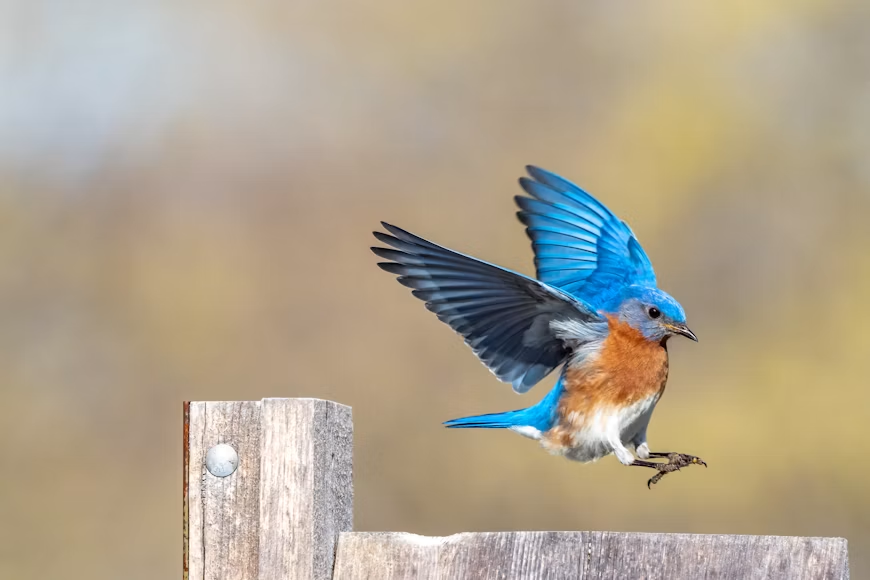
When Is the Best Time for Bird Watching?
The timing of your visit can make a significant difference.
Early Morning Offers the Best Experience
Shortly after sunrise is usually the most active time for birds. The temperatures are cooler, birds are feeding, and the surroundings are much quieter before large tourist crowds arrive.
Morning visits also provide softer natural light, making bird photography easier.
Late Afternoon Can Also Be Rewarding
Bird activity often increases again before sunset. Many species return to trees or feed near the water during the cooler evening hours.
However, once visitors gather for the famous musical fountain show, the gardens become considerably busier, making bird watching less peaceful.
Where to Look for Birds
Instead of staying only near the main tourist pathways, spend time exploring quieter areas while respecting any restricted zones.
Some promising locations include:
Tree-Lined Walkways
Large shade trees provide nesting places and resting spots for many common garden birds. Spend a few minutes standing quietly rather than constantly walking.
Garden Edges
The less crowded edges of landscaped areas often attract smaller birds searching for insects or seeds.
Near the Reservoir
Areas overlooking the KRS reservoir may provide opportunities to observe water birds depending on the season and water levels.
Always remain within public access areas and follow local guidelines.
Birds You May Spot
The exact species vary throughout the year, weather conditions, and habitat changes. Some commonly observed birds around the gardens and surrounding landscape may include:
- White-throated Kingfisher
- Indian Pond Heron
- Little Cormorant
- Cattle Egret
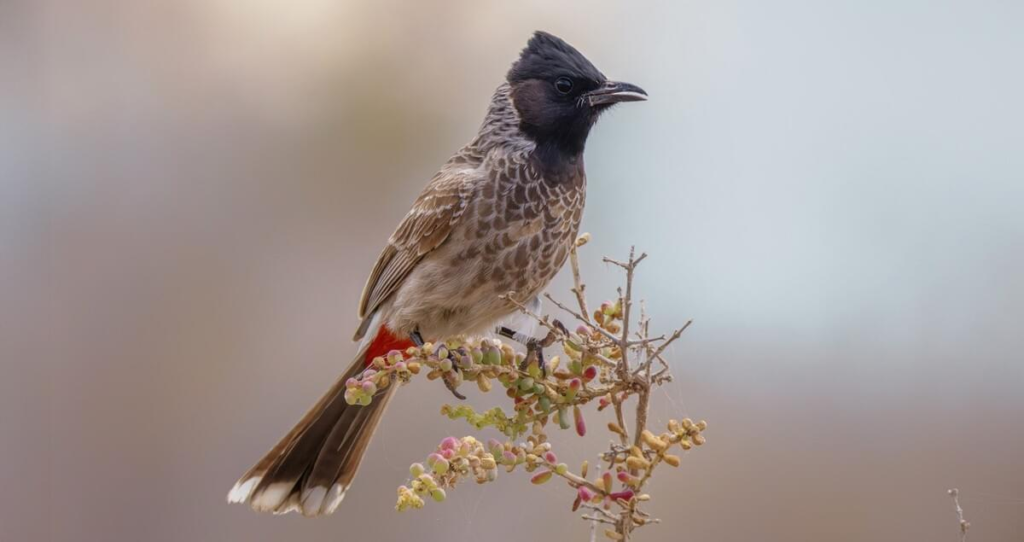
- Red-vented Bulbul
- Common Myna
- Rose-ringed Parakeet
- Black Drongo
- Purple Sunbird
- Oriental Magpie Robin
- House Sparrow
- Indian Robin
Depending on the season, additional migratory or less commonly seen species may occasionally appear around the reservoir. Bird sightings naturally change over time, so no specific species can be guaranteed on every visit.
What to Bring for a Better Bird-Watching Experience
You do not need expensive equipment to enjoy bird watching, but a few items can make the experience much more comfortable.
Consider carrying:
- A lightweight pair of binoculars
- A camera with a zoom lens if you enjoy photography
- Drinking water
- Comfortable walking shoes
- A hat or cap for sunny mornings
- A small notebook or bird identification app if you like recording sightings
Keeping your gear light allows you to move comfortably around the gardens.
Tips for Spotting More Birds
Many beginners make the mistake of walking too quickly through an area. Bird watching is often about slowing down.
Some simple techniques include:
Stay Quiet
Loud conversations or sudden movements often scare birds away before you notice them.
Watch Before Walking
Spend several minutes observing one location instead of constantly changing spots. Birds usually return once the surroundings become calm.
Listen Carefully
Bird calls often reveal where birds are hiding among trees even before they become visible.
Scan Different Heights
Not every bird stays in tree tops. Some feed on lawns, while others remain close to bushes or near the water’s edge.
Bird Photography Advice
If you hope to capture good photographs, patience is usually more important than expensive equipment.
Rather than chasing birds, choose a quiet location and wait. Natural behavior creates much more interesting photographs than birds startled into flight.
Morning sunlight generally produces softer images with fewer harsh shadows.
Avoid using flash, as it can disturb wildlife.
Respect Nature While Bird Watching
Responsible bird watching helps protect both wildlife and the environment.
Keep these simple practices in mind:
- Stay on designated pathways whenever possible.
- Never disturb nests or nesting birds.
- Avoid feeding wild birds.
- Do not play bird calls through speakers to attract wildlife.
- Carry back all litter.
- Give photographers and other bird watchers enough space.
These small actions help preserve the natural surroundings for future visitors.
Combining Bird Watching with Your Garden Visit
Bird watching does not have to be your entire itinerary.
Many visitors enjoy arriving early in the morning to spend an hour observing birds before exploring the famous gardens later in the day. This approach lets you experience both the peaceful natural environment and the popular attractions without feeling rushed.
Families with children may also find bird watching a relaxing activity that encourages youngsters to notice wildlife they might otherwise overlook.
Seasonal Changes You May Notice
The appearance of the landscape changes during the year, and bird activity changes with it.
After the monsoon, the surrounding greenery becomes more vibrant, providing additional shelter and food sources for many birds.
During cooler months, pleasant weather makes walking more comfortable, and some seasonal visitors may be seen around larger water bodies. Since migration patterns vary each year, bird enthusiasts should check recent local bird observations before planning a dedicated birding trip.
Is Brindavan Gardens Suitable for Serious Bird Watchers?
If your goal is to observe a large number of rare bird species, dedicated bird sanctuaries in Karnataka generally offer greater diversity.
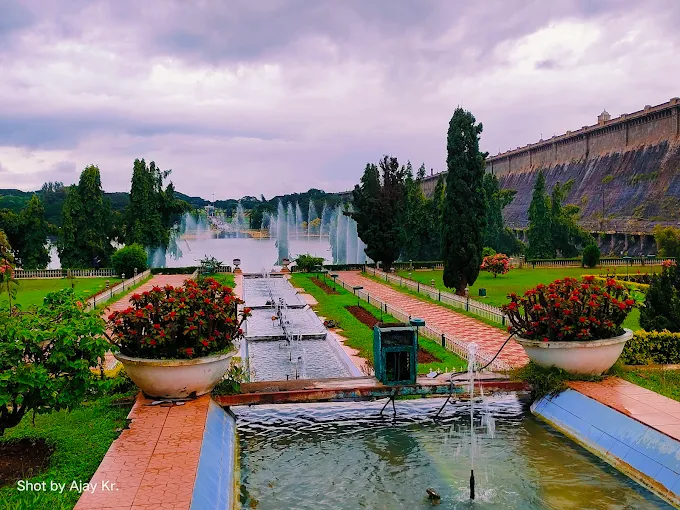
However, Brindavan Gardens is an excellent choice for casual bird watching, beginner birders, photographers, families, and travelers who want to combine sightseeing with a relaxing nature experience. The accessible walking paths and scenic surroundings make it enjoyable even if bird watching is only part of your visit.
Frequently Asked Questions
Can beginners enjoy bird watching near Brindavan Gardens?
Yes. Many commonly seen birds are easy to identify, making the area suitable for people who are new to bird watching.
Are binoculars necessary?
No. Binoculars improve the experience, but many birds can also be observed with the naked eye, especially around the gardens.
Is there an entry ticket specifically for bird watching?
There is no separate bird-watching ticket. Visitors should follow the normal entry rules and timings applicable to Brindavan Gardens.
Are migratory birds guaranteed?
No. Bird populations change with seasons, weather, and habitat conditions. Sightings vary throughout the year.
Final Thoughts
Brindavan Gardens is best known for its beautifully designed landscapes, but its quieter corners offer another rewarding experience for visitors who enjoy nature. A peaceful morning walk, a pair of binoculars, and a little patience are often enough to discover colorful garden birds and water birds that many tourists completely miss.
If bird watching is your main reason for visiting, consider checking the latest local conditions and official visitor information before your trip, as seasonal changes and access rules can occasionally affect the experience.
Read Also: Plants and Flowers Found in Brindavan Gardens: A Complete Guide to the Garden’s Living Beauty

Rahul Sharma is the founder and editor of BrindavanaGarden.com. He researches Brindavan Gardens, Mysore tourism, and nearby attractions using Karnataka Tourism resources, official websites, visitor reviews, maps, and trusted travel references. Every guide is carefully reviewed and updated to keep practical information such as timings, entry fees, travel tips, and visitor advice as accurate and useful as possible. His goal is to help travelers plan smoother, better-informed trips to Brindavan Gardens and the surrounding Mysore region.