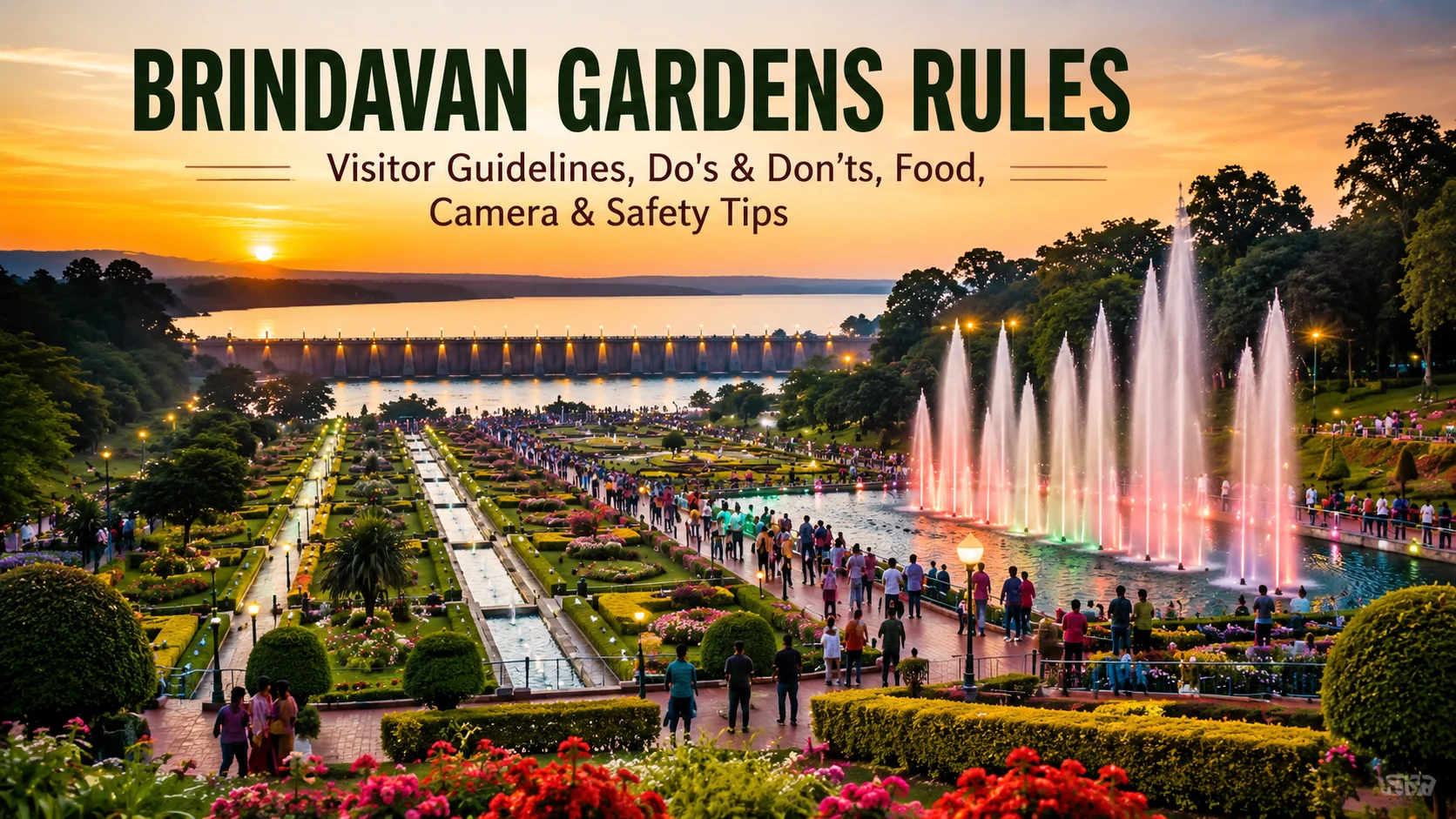
Brindavan Gardens doesn’t hand out a printed rulebook at the gate, and that’s exactly why first-time visitors end up confused or occasionally embarrassed — asked to put away a tripod, told a drone can’t fly, or stopped for carrying something they didn’t think twice about. What governs a visit here comes down to standard safety practice, the garden’s location right beside a functioning dam, and the judgment of whichever staff are on duty checking bags that day. This guide covers every rule reported consistently by visitors and regional sources, and states clearly which details are officially confirmed and which are not — so you know exactly what to check at the counter before you plan around it. The table below answers the questions most visitors want settled first.
At a Glance: Quick Answers
If you only have a minute before you leave for the garden, this covers the essentials.
| Item / Question | Quick Answer |
|---|---|
| Mobile phone photography | Allowed, free, no restrictions |
| DSLR / professional camera | Allowed; a fee can apply — not officially confirmed, so check at entry |
| Tripod | Draws staff attention; confirm before setting one up |
| Drone | Not allowed, no exceptions |
| Outside food (light snacks) | Tolerated; heavy meals or picnic setups are not |
| Drinking water bottle | Allowed and worth carrying — kiosks exist but queues build up |
| Pets | Not allowed inside |
| Smoking | Not permitted inside; step outside the premises |
| Alcohol | Not permitted under any circumstance |
| Washrooms | Available at multiple points across the garden |
| Parking | Available near the entrance, including wheelchair-friendly spaces |
| Wheelchair accessibility | Main pathways yes; upper terraces involve steps |
Read on for the reasoning behind each of these — knowing why a rule exists tells you how strictly it’s enforced and what’s worth confirming yourself.
Do’s and Don’ts Inside the Garden
With the quick answers out of the way, here’s the detail behind them, starting with the behavior that actually determines how smoothly your visit goes — not the obvious “no littering” instructions you’d expect on a signboard, but the specifics that catch first-time visitors off guard.
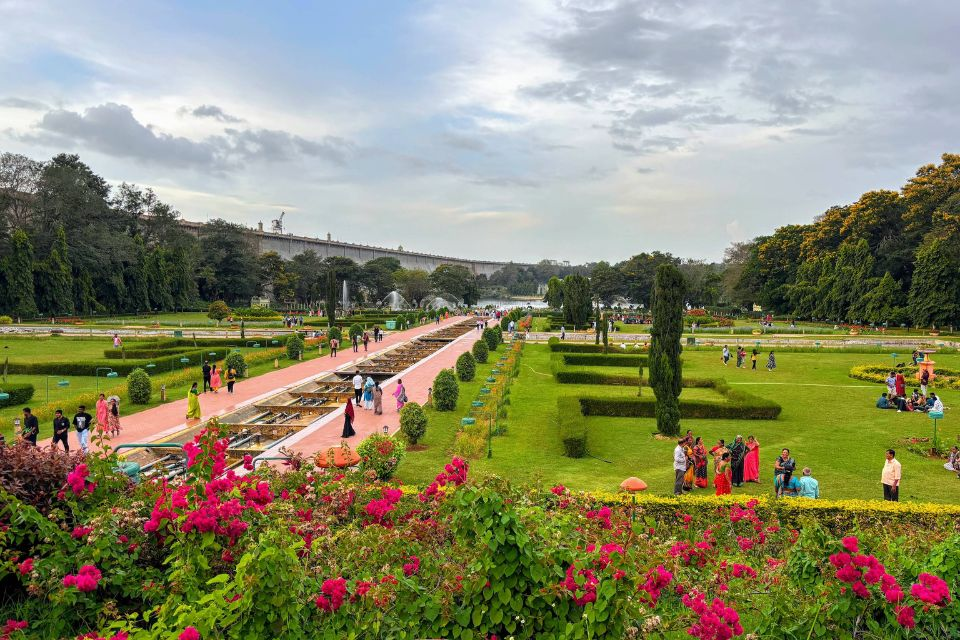
Do stay on the marked pathways. The terraces are planted right up to the path edges, and stepping into a flower bed for a better photo angle is one of the more common things that draws a staff correction. It’s not just about the plants — the terraced slopes weren’t built for foot traffic and can be uneven or slippery near the water channels.
Don’t cross barriers near the fountains or water channels, even if the water looks shallow or the crowd has thinned out. These barriers exist because the channels are deeper and the currents stronger than they look from the path — particularly around the musical fountain show after dark, when visibility drops and the crowd is at its densest.
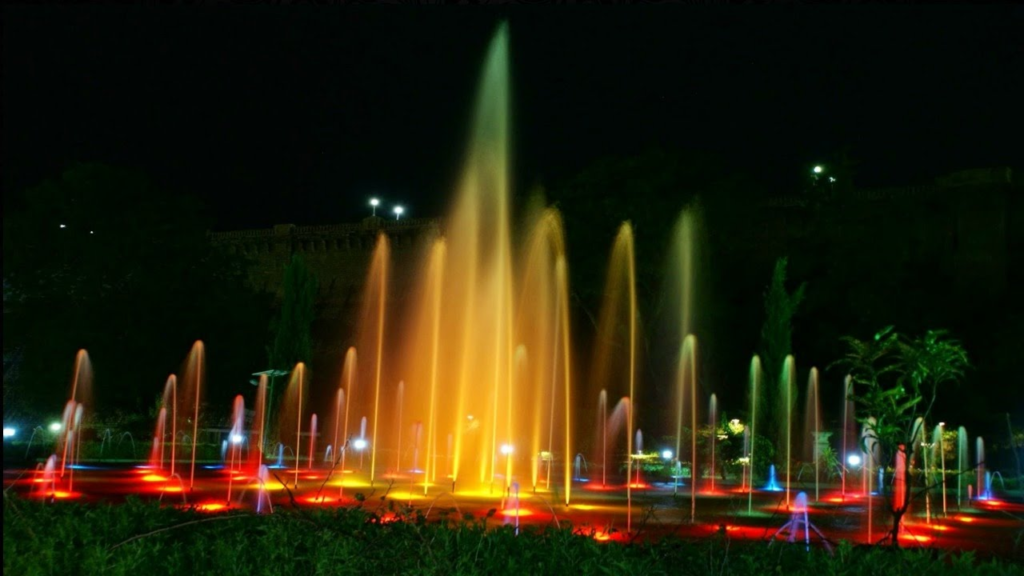
Do keep children within arm’s reach near any water feature. The layout encourages children to run ahead — long straight paths, a footbridge connecting the two halves, open lawns — and a child who gets fifty meters ahead near the boating lake or fountain edge is out of sight fast once the evening crowds fill in.
Don’t bring speakers or play loud music. The garden’s atmosphere, especially during the musical fountain show, depends on everyone being able to hear the show’s own soundtrack, and staff will ask you to turn off anything that competes with it.
Do follow security staff instructions at the entrance without argument, even when a request seems minor — putting away a tripod, opening a bag, stepping aside for a check. These checks are standard procedure at a site adjoining dam infrastructure, not a judgment on you personally, and pushing back only slows the line for everyone behind you.
Don’t feed or disturb birds and wildlife in the garden’s quieter sections. Beyond the animal welfare reasoning, fed birds concentrate around footpaths and benches, which becomes its own nuisance for other visitors.
Do carry your ticket until you’re fully done with your visit. Re-entry after stepping out to the parking area can require showing it again, and holding onto it saves a second trip to the counter.
Don’t leave litter on the lawns or benches, even in the crowded evening hours when it’s tempting to leave a used cup behind. With the volume of visitors this garden handles daily, cleanliness holds up because most people follow this one rule — a single section can look neglected fast once people stop.
Camera, Phone, and Videography Rules
The tripod and equipment restrictions above tie directly into the rule visitors get wrong most often — largely because different sources describe it differently, which is itself worth knowing before you go.
What’s confirmed: using your phone to take photos and casual videos for personal use is free and unrestricted. This covers the vast majority of what visitors actually want to do — the fountains, the flower beds, a few family photos on the terraces.
What’s not officially confirmed: sources disagree on equipment beyond a phone. Some describe a flat ban on videography with a fine (commonly cited around ₹500) for unauthorized camera use, aimed at deterring commercial shoots. Others describe a system where DSLR or professional cameras need a small fee paid at entry, with only commercial videography — wedding shoots, ad shoots, monetized content — actually restricted or requiring prior permission. Tripods and larger camera rigs are the equipment most likely to draw staff attention, regardless of which system applies on a given day.
The practical takeaway: shooting on your phone for yourself needs no planning. Bringing a DSLR, a tripod, or anything that looks like a shoot rather than a visit needs a question at the ticket counter first — camera policy and fees here are not consistently documented, and confirming on arrival avoids both an unexpected charge and a conversation with staff mid-visit. The reasoning behind the stricter treatment of equipment over phones is straightforward: a tripod or a posed shoot takes up a viewing spot other visitors need, in a way a quick phone photo doesn’t.
Drones are not allowed. This is confirmed and non-negotiable — the garden sits directly below the KRS Dam, and flying restrictions near dam infrastructure are a security matter, not a garden-specific preference. An early-morning visit with fewer people around doesn’t change this.
Entry Checks and Restricted Items
The camera and drone questions come up at the same checkpoint where bags are searched, so it’s worth knowing the full list of what gets stopped at the gate before you buy your entry ticket:
- Alcohol — not permitted inside under any circumstance.
- Weapons or anything that could be used as one — staff have discretion over borderline items, so leave anything ambiguous in the vehicle.
- Pets — animals are not allowed inside the garden, and there’s no kennel or holding facility at the entrance. If you’re travelling with a pet, leave it with someone in your vehicle or make separate arrangements.
- Skates or similar wheeled equipment — the sloped, terraced pathways aren’t built for them and are a genuine safety hazard around the water channels.
Smoking and single-use plastic aren’t confirmed as formally banned, but both are discouraged in practice, and enforcement depends on the staff present that day. Carry a reusable bottle where you can, and if you smoke, step outside the premises first.
Food and What You Can Carry In
Once you’re past the gate, food is the next practical question. Brindavan Gardens has food stalls and a small cafeteria inside — snacks, corn, juices, light meals — so a packed lunch isn’t necessary. Water kiosks exist too, though carrying your own bottle is still worth it, especially in the evening when queues at any stall build up before the musical fountain show.
There is no confirmed, garden-specific ban on all outside food. What can be said with confidence is that heavy picnic setups, cooking equipment, and glass bottles create cleanup and safety concerns in a crowded space, and staff will object to them. There is no officially published rule confirming a complete ban on light snacks. If you plan to carry food beyond a few packaged items or water, it’s best to confirm the current policy at the entrance. Anything beyond casual snacking should be confirmed with staff at the gate rather than assumed.
Visitor Facilities: What to Expect
With food and entry covered, here’s what to expect from the garden’s own infrastructure once you’re inside.
Washrooms are available at multiple points across the garden. Carrying your own tissues is still worth doing — a small habit that avoids a surprise at a busier facility during peak evening hours.
Drinking water kiosks are placed through the garden, but during the fountain show rush they get busy. Bringing your own bottle means you’re not dependent on finding one at the right moment.
Seating is abundant — benches are placed throughout both the north and south sections, so resting between terraces isn’t a problem, even if finding one free during the evening crowd takes a little patience.
Parking is available close to the entrance with space for two-wheelers, cars, and buses, including wheelchair-friendly spots. For rates and exactly where to park, see our parking guide — the short version is that it’s close enough that you won’t walk far to reach the gate.
Accessibility: the main pathways across the garden are wheelchair accessible, and the entrance is step-free. The upper and more elevated terrace sections involve stairs that aren’t avoidable. If mobility is a concern for anyone in your group, call the garden office ahead of time to ask what staff assistance is available — it means you’re not discovering the limits of the terrain at the bottom of a staircase during the evening rush.
Boating Rules
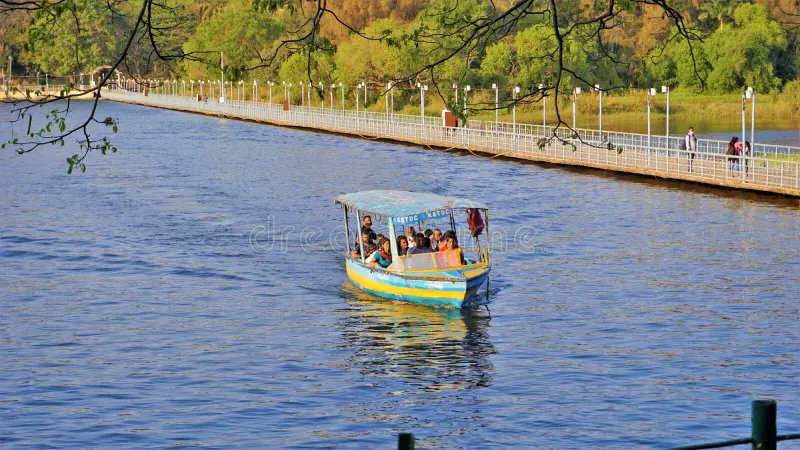
Beyond the paths and lawns, the boating lake carries its own set of rules. Life jackets are provided and mandatory for everyone on board, and children must sit with a parent or guardian rather than separately. Boating runs during daytime hours and is suspended in the rainy season or when the reservoir’s water level is considered unsafe — treat it as a weather-dependent add-on rather than something to build your whole visit around, particularly if you’re travelling during the monsoon. Check the KRS Dam water levels if you’re visiting in that period, since the two sites share the same reservoir conditions.
Musical Fountain Show Etiquette
The fountain show is the reason most people time their visit for evening, and it draws real crowds — arrive early for a decent viewing spot, especially on weekends when the show runs longer and pulls a bigger audience. There’s no formal seating chart or reserved viewing area, so this comes down to ordinary crowd courtesy: don’t block the view of people behind you, keep children close in the crush near the viewing gallery, and expect the walk back to parking afterward to be slow simply because everyone leaves at once.
Children and Senior Citizens: Realistic Expectations
The crowd behavior at the fountain show applies just as much to two groups worth planning around specifically. There’s no published minimum age or mandatory supervision rule for this garden. Treat it the way you would any large, crowded space with water features nearby — keep young children within sight, particularly near the fountain edges and boating lake, since the long straight paths and footbridge encourage kids to run ahead faster than expected.
For elderly visitors, the real consideration is the walking itself: getting from the entrance to the upper terraces and back is a genuine distance, with stairs in places, and there’s no shuttle between sections. Plan for a slower pace, use the benches scattered throughout as rest stops, and weigh whether the evening visit — with its crowds and lower visibility on uneven paths — is the right call versus a calmer late-afternoon visit before the fountain show starts.
If Something Goes Wrong
The staff positioned throughout the garden — mentioned above for security checks and crowd management — are also your first point of contact if anything goes wrong during your visit.
If a child gets separated from you, approach the nearest security or garden staff member rather than searching alone through the crowd. They’re positioned at key points including the entrance and the fountain viewing area, and they’re your fastest route to an announcement or a watch on the exits.
If there’s a medical emergency, alert the nearest staff or security personnel immediately. On-site advanced medical care should not be assumed at a public garden of this kind — for anything serious, a hospital in Mysuru is the realistic next step, and staff can direct you there.
If you lose belongings inside the garden, report it to the nearest staff member or the ticket counter as soon as you notice. The sooner it’s reported, the better the odds it’s been picked up and held rather than moved on by another visitor.
Garden staff and security personnel stationed at the entrance, along the main pathways, and near the fountain area are your point of contact for anything unexpected — approaching them directly is faster and more reliable than trying to resolve something alone in a crowd this size.
Why These Rules Exist
Taken together, the rules above aren’t arbitrary. The alcohol, weapons, and pet restrictions are standard public-safety measures for a garden with heavy daily footfall. The drone ban ties directly to the site’s location beside a functioning dam, where aerial restrictions are a security matter well beyond tourism. The camera and videography ambiguity comes down to controlling commercial use of the space — a wedding shoot or professional production takes up space and time other visitors need, in a way a family taking phone photos doesn’t, which is why enforcement leans harder on equipment than on casual visitors.
Common Mistakes First-Time Visitors Make
Even visitors who have planned their trip well can run into small problems simply because they expect Brindavan Gardens to function like an ordinary city park. These are some of the most common mistakes that can easily be avoided.
Arriving Just Before the Musical Fountain Show
Many visitors reach the garden only a few minutes before the evening fountain show starts. By then, parking is busier, ticket queues are longer, and finding a good viewing spot becomes difficult. Reaching a little earlier gives you enough time to explore the gardens before the crowds build up.
Assuming Camera Rules Haven’t Changed
Policies for DSLR cameras, videography, or professional equipment may change over time. If you’re carrying anything beyond a mobile phone, confirm the current policy at the ticket counter instead of relying on old online information.
Wearing Footwear That’s Uncomfortable for Walking
Although the gardens appear flat in photographs, visitors usually spend a considerable amount of time walking between different sections, terraces, and viewpoints. Comfortable footwear makes the visit much more enjoyable, especially if you plan to stay until the evening fountain show.
Underestimating Weekend and Holiday Crowds
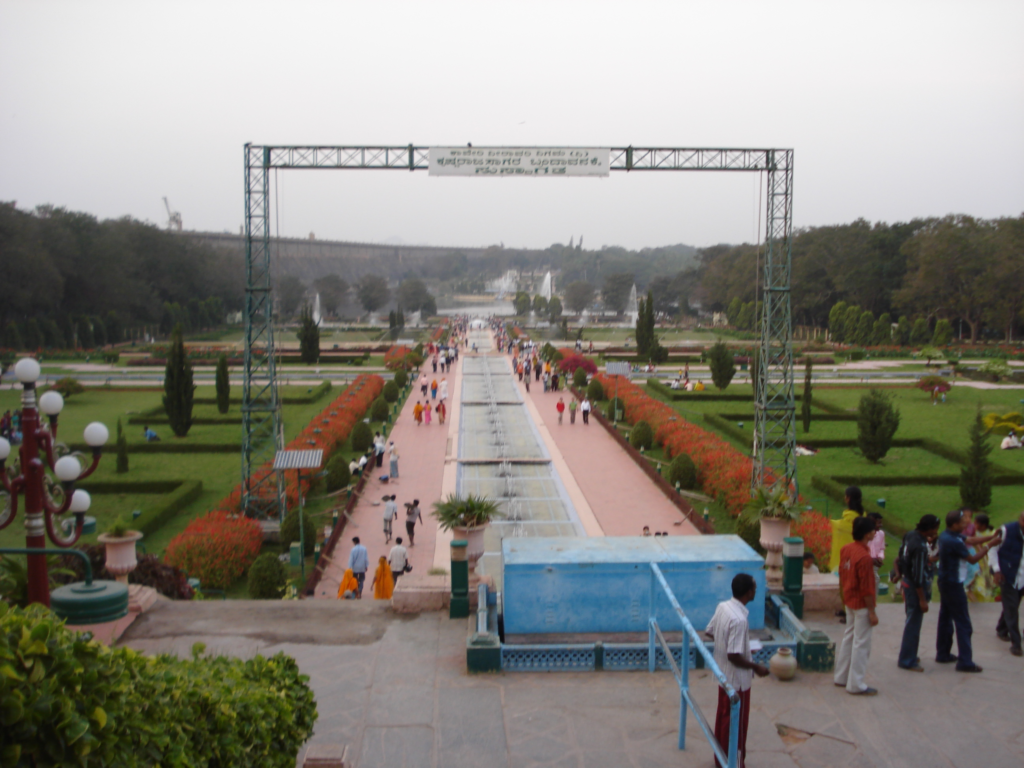
Weekends, public holidays, and school vacations attract significantly more visitors. Expect longer waiting times at ticket counters, food stalls, boating areas, and parking. If you prefer a quieter visit, weekdays are generally a better choice.
Ignoring Weather Conditions
During summer afternoons, the open walkways can become quite warm, while the monsoon may temporarily affect boating or visitor movement in some areas. Checking the weather forecast before leaving helps you prepare with suitable clothing and realistic expectations.
Forgetting to Keep the Entry Ticket
Many visitors throw away or misplace their ticket immediately after entering. Keeping it with you until your visit is complete is a simple precaution, especially if you need assistance from staff or step outside and return.
Before You Leave Home: Quick Checklist
With the rules and facilities covered, here’s what to have ready before you set out:
- Carry drinking water, even though kiosks are available inside
- Wear comfortable, closed footwear — the terraces involve slopes and stairs
- Keep your entry ticket on you until you’re done, including for any re-entry
- Charge your phone fully if it’s your main camera for the visit
- Check current garden timings and fountain show schedule before you leave
- If carrying a DSLR, tripod, or planning any videography, confirm the current policy at the ticket counter
- Carry cash for tickets, parking, and food stalls
What to Verify Before You Go
The checklist above covers what to pack; this covers what to confirm. Rules at Brindavan Gardens — particularly around camera fees, videography, and food — are not consistently documented from one source to the next and change over time. Confirm directly with the garden authorities, or check the instructions posted at the entrance, for:
- Current camera and videography charges, if any
- Whether food restrictions are being actively enforced that day
- Boating availability, particularly outside the October–February season
- Any temporary closures tied to water release from the KRS Dam, which has affected garden access in past years during heavy monsoon periods
A quick call ahead — the local tourism office can point you to the right number — takes a few minutes and saves you from arriving with the wrong expectations.
Final Advice
Treat Brindavan Gardens the way you’d treat any large public garden shared with thousands of people a day: bring your phone, leave the tripod and drone at home unless you’ve confirmed otherwise, keep young kids close near the water, and budget more time than you think you need if anyone in your group has trouble with stairs or long walks. None of the rules here are unusual or hard to follow — the only real risk is assuming something is fine without asking, when a two-minute question at the ticket counter tells you for certain.
If you’re combining this with a wider trip, KRS Dam sits right next to the garden and pairs naturally with the same visit, and our guide to places near Mysore covers what else is worth adding to the itinerary.
Frequently Asked Questions
Can I bring my DSLR camera into Brindavan Gardens?
Yes. A camera fee can apply at entry, but this isn’t officially confirmed and has been reported differently across visits. Confirm at the ticket counter when you arrive.
Are drones allowed at Brindavan Gardens?
No. Drones are not permitted, largely due to the garden’s location directly below the KRS Dam, where aerial restrictions are a security matter.
Can I bring my dog or cat to Brindavan Gardens?
No, pets are not allowed inside the garden, and there’s no facility to leave them at the entrance.
Is smoking allowed inside the garden?
It’s not confirmed as formally banned, but it’s discouraged in practice, and staff will ask you to stop if seen. Step outside the premises if you smoke.
Is alcohol allowed?
No, alcohol is not permitted inside under any circumstance.
Can I carry a backpack inside?
Yes. It will be checked at entry as part of standard security screening. Avoid carrying anything on the restricted items list to keep the check quick.
Are washrooms available inside the garden?
Yes, at multiple points across the garden. Carrying your own tissues is still a good habit.
Can children bring toys or a ball to play with?
There are no published rules specifically covering children’s toys. Choose items that won’t disturb other visitors or damage landscaped areas.
Can I bring my own drinking water bottle?
Yes, and it’s worth doing — kiosks exist inside, but queues build up during the evening rush before the fountain show.
What should I do if I lose something inside the garden?
Report it to the nearest staff member or the ticket counter as soon as you notice it’s missing. The sooner it’s reported, the better the chance it’s been found and held rather than picked up by someone else.
Rahul Sharma is the founder and editor of BrindavanaGarden.com. He researches Brindavan Gardens, Mysore tourism, and nearby attractions using Karnataka Tourism resources, official websites, visitor reviews, maps, and trusted travel references. Every guide is carefully reviewed and updated to keep practical information such as timings, entry fees, travel tips, and visitor advice as accurate and useful as possible. His goal is to help travelers plan smoother, better-informed trips to Brindavan Gardens and the surrounding Mysore region.