Located near the famous Brindavan Gardens in Karnataka, Sri Venugopalaswamy Temple is a beautiful and important temple in the Mysuru region. The temple is well known for its amazing architecture, peaceful atmosphere, and spiritual importance. Every year, many devotees, history lovers, photographers, and tourists visit this temple.
Unlike many busy tourist places, Sri Venugopalaswamy Temple offers a quiet and relaxing experience. Visitors can enjoy the beautiful carvings, learn about Karnataka’s rich history and culture, and spend some peaceful time in a spiritual setting.
This guide covers everything you need to know about the temple, including its history, architecture, religious importance, timings, travel tips, photography opportunities, and nearby attractions.
About Sri Venugopalaswamy Temple
Location and Setting
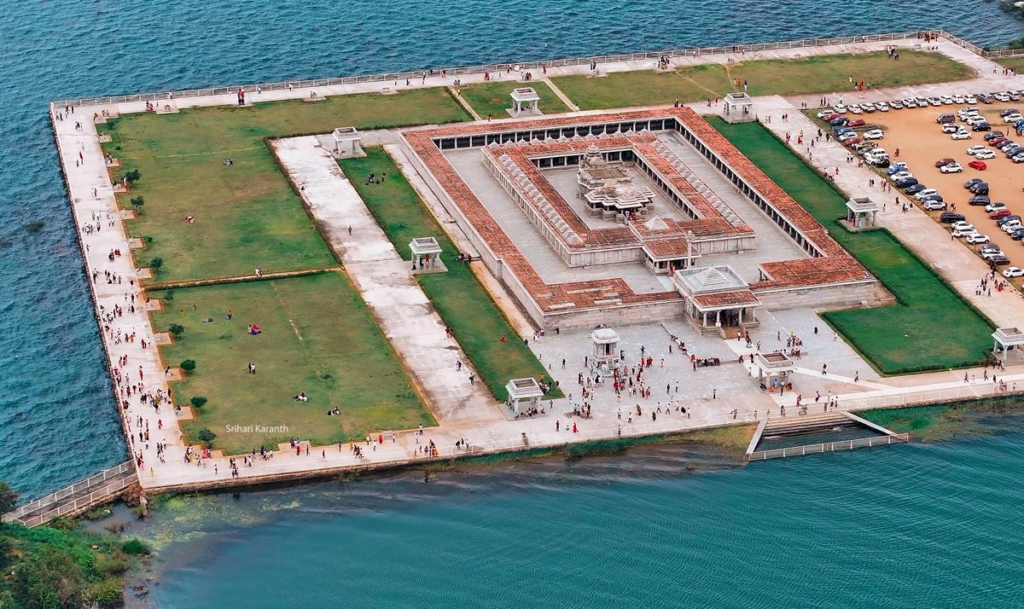
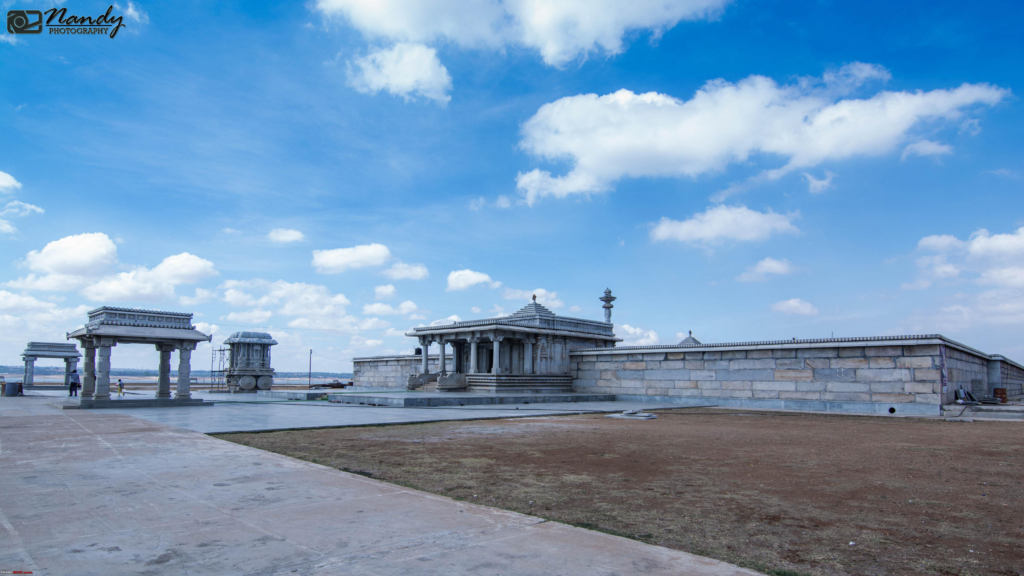
Sri Venugopalaswamy Temple is located near the Krishna Raja Sagara (KRS) Dam in Mandya district, Karnataka. The temple sits close to the backwaters of the KRS reservoir, creating a picturesque setting that combines spirituality with natural beauty.
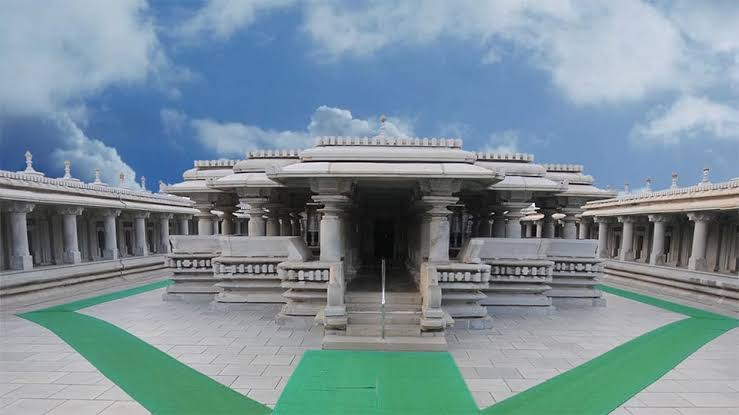
The surrounding area features open landscapes, greenery, and scenic water views. Visitors often appreciate the peaceful atmosphere, especially during early mornings and evenings when the temple complex appears particularly serene.
Because of its proximity to Brindavan Gardens, many tourists include the temple as part of their Mysuru sightseeing itinerary.
Significance of Lord Venugopala Swamy
Lord Venugopala is a form of Lord Krishna depicted as the divine cowherd playing the flute. The word “Venu” means flute, while “Gopala” refers to the protector of cows.
In Hindu tradition, Lord Venugopala symbolizes:
- Divine love
- Compassion
- Protection
- Harmony
- Spiritual guidance
Devotees visit the temple seeking blessings for prosperity, happiness, family well-being, and spiritual growth.
History of Sri Venugopalaswamy Temple
Origins of the Temple
The original Sri Venugopalaswamy Temple dates back several centuries and is believed to have been constructed during the Hoysala period, which was renowned for producing some of South India’s finest temple architecture.
The temple was built as a place of worship dedicated to Lord Krishna and served local communities for generations.
Connection with the Wodeyar Dynasty
The temple later received patronage from the Wodeyar rulers of Mysore, who played an important role in preserving Karnataka’s cultural and religious heritage.
The Wodeyars supported numerous temples, palaces, and public works projects throughout the region. Their efforts helped maintain the temple’s significance and ensured that traditional rituals continued.
Relocation and Restoration Story
One of the most fascinating aspects of Sri Venugopalaswamy Temple is its relocation.
When the KRS Dam was constructed in the early twentieth century, rising reservoir waters threatened the original temple site. To preserve this architectural treasure, authorities carefully documented and protected the structure.
Years later, an extensive restoration project was undertaken. Skilled artisans reconstructed the temple stone by stone near its present location.
The restoration process required exceptional craftsmanship and attention to detail. Today, visitors can admire the temple as an example of successful heritage conservation.
Architecture of Sri Venugopalaswamy Temple
Traditional Hoysala and Dravidian Influences
The temple beautifully combines Hoysala and Dravidian architectural traditions.
Key characteristics include:
- Ornate carvings
- Detailed stonework
- Decorative pillars
- Sculptural panels
- Traditional temple layout
The blend of styles creates an impressive visual experience for visitors.
Intricate Stone Carvings and Sculptures
One of the temple’s greatest attractions is its remarkable stone carvings.
Visitors can observe:
- Mythological scenes
- Hindu deities
- Floral motifs
- Geometric patterns
- Decorative borders
These carvings demonstrate the extraordinary skills of ancient craftsmen.
Temple Tower (Gopuram)
The gopuram serves as the temple’s grand entrance structure.
Its elaborate design includes:
- Traditional South Indian elements
- Sculpted figures
- Decorative tiers
- Religious symbolism
The tower immediately captures visitors’ attention upon arrival.
Main Sanctum and Other Shrines
The sanctum houses the deity of Lord Venugopala Swamy.
Within the complex, visitors may also find:
- Secondary shrines
- Sacred spaces for prayer
- Traditional halls
- Ritual areas
The layout follows established Hindu temple traditions.
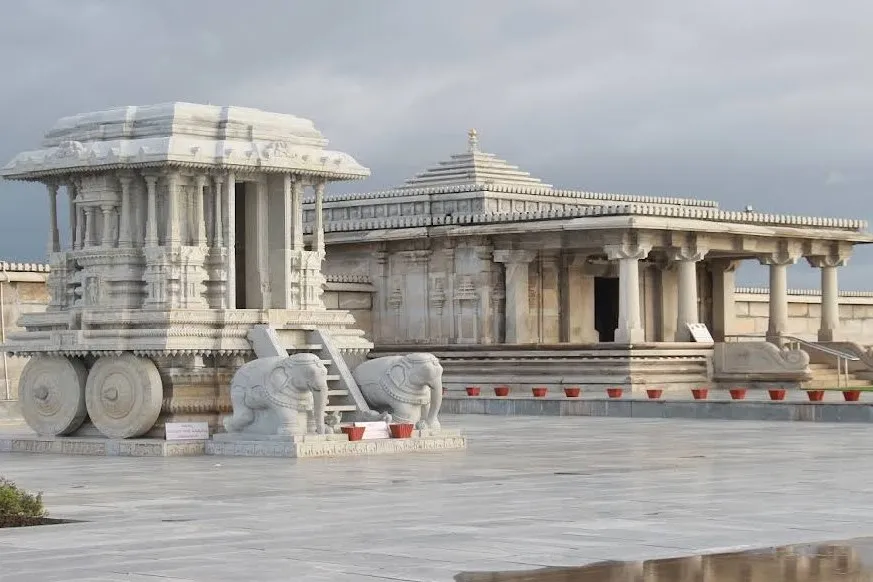
Unique Architectural Features Worth Noticing
When exploring the temple, pay attention to:
- Finely carved pillars
- Ceiling artwork
- Stone sculptures
- Decorative wall panels
- Traditional temple geometry
Every section reflects meticulous craftsmanship.
Religious Importance and Spiritual Experience
Daily Rituals and Worship
Daily worship forms the heart of temple activities.
Common rituals include:
- Morning prayers
- Sacred offerings
- Archana ceremonies
- Aarti rituals
- Evening worship
These ceremonies help preserve centuries-old traditions.
Major Festivals Celebrated
Several Hindu festivals are celebrated with devotion.
Popular occasions include:
- Krishna Janmashtami
- Vaikuntha Ekadashi
- Deepavali celebrations
- Annual temple festivals
During these events, the temple becomes especially vibrant.
Special Events and Temple Ceremonies
Special religious programs may include:
- Bhajans
- Spiritual discourses
- Community prayers
- Cultural performances
Such events strengthen the connection between devotees and tradition.
Why Devotees Visit the Temple
Visitors come for many reasons:
- Spiritual peace
- Religious devotion
- Family blessings
- Cultural appreciation
- Personal reflection
Many regular visitors say that the temple’s peaceful atmosphere helps them feel connected to both history and spirituality.
Sri Venugopalaswamy Temple Timings
Opening and Closing Hours
Temple timings may vary slightly depending on festivals and special events.
Generally, temples of this nature operate during:
- Morning worship hours
- Afternoon closure period
- Evening darshan hours
Visitors should verify current timings before planning their trip.
Best Time for Darshan
The best periods for darshan are:
- Early morning
- Late afternoon
- Weekday visits
These times usually provide a more peaceful experience.
Festival Season Timings
During major festivals:
- Additional rituals may be conducted
- Opening hours may be extended
- Visitor numbers increase significantly
Important Visitor Guidelines
Visitors should:
- Remove footwear before entering
- Dress modestly
- Respect worshippers
- Maintain silence where appropriate
- Follow temple instructions
Best Time to Visit Sri Venugopalaswamy Temple
Weather Throughout the Year
Winter (October to February)
Winter offers pleasant temperatures and comfortable sightseeing conditions.
Summer (March to May)
Summer can be warm, particularly during midday.
Monsoon (June to September)
The surrounding landscape becomes greener and more scenic.
Visiting During Festivals
Festival periods provide:
- Decorative lighting
- Cultural activities
- Traditional celebrations
However, expect larger crowds.
Weekday vs Weekend Experience
Weekdays generally offer:
- Fewer visitors
- Better photography opportunities
- More peaceful exploration
Sunrise and Sunset Views
The temple surroundings become especially attractive during:
- Early morning light
- Golden-hour photography
- Sunset over nearby waters
How to Reach Sri Venugopalaswamy Temple
By Road
The temple is easily accessible from Mysuru by road.
Private vehicles, taxis, and local transportation options are available.
By Train
Mysuru Junction serves as the nearest major railway station.
From there, visitors can hire taxis or use local transport.
By Air
The nearest airport is Mysuru Airport, while Bengaluru International Airport offers wider connectivity.
Parking and Local Transportation
Visitors typically find:
- Parking facilities
- Auto-rickshaws
- Taxi services
- Tourist vehicles
Things to See Around the Temple
Temple Premises Highlights
Highlights include:
- Main sanctum
- Stone carvings
- Decorative pillars
- Temple courtyard
Scenic Views of the Backwaters
The nearby reservoir creates beautiful landscapes suitable for sightseeing and photography.
Photography Opportunities
The temple provides excellent opportunities for:
- Heritage photography
- Architectural photography
- Landscape photography
Nearby Gardens and Attractions
Many visitors combine their trip with nearby attractions such as Brindavan Gardens and KRS Dam.
Photography Guide for Visitors
Best Photo Spots
Recommended locations include:
- Temple entrance
- Gopuram
- Courtyard
- Pillared halls
- Backwater viewpoints
Photography Etiquette
Always:
- Respect temple rules
- Avoid disturbing worshippers
- Ask permission where necessary
Recommended Camera Settings
For architecture photography:
- Use lower ISO settings
- Narrow aperture for sharpness
- Tripod where permitted
Best Time for Temple Photography
Golden hour provides:
- Soft lighting
- Better shadows
- Enhanced architectural detail
Facilities Available for Visitors
Parking Facilities
Parking areas are generally available near the temple.
Washrooms and Drinking Water
Basic visitor amenities may be available nearby.
Food and Refreshment Options
Restaurants and food stalls can be found in the surrounding tourist area.
Accessibility for Senior Citizens
The temple is generally accessible, though visitors should be prepared for some walking.
Travel Tips for First-Time Visitors
Before visiting:
- Wear comfortable footwear
- Carry drinking water
- Bring a camera
- Check weather forecasts
- Arrive early
For families:
- Keep children supervised
- Plan rest breaks
- Carry essential supplies
For photographers:
- Visit during golden hour
- Bring extra batteries
- Respect photography restrictions
Suggested Half-Day Itinerary
Morning Visit Plan
8:00 AM – Arrive at temple
8:15 AM – Explore architecture
9:00 AM – Attend worship
10:00 AM – Photography session
Afternoon Exploration
Visit nearby viewpoints and enjoy the surrounding scenery.
Photography and Sightseeing Schedule
Capture:
- Temple details
- Scenic landscapes
- Architectural elements
- Sunset views
Nearby Attractions to Combine With Your Visit
Brindavan Gardens
One of Karnataka’s most famous gardens, known for its landscaped lawns and musical fountain shows.
Read Also: Complete Brindavan Gardens Visitor Guide: Everything You Need to Know
Krishna Raja Sagara Dam
A historic engineering landmark and popular tourist destination.
Also See: KRS Dam Timings 2026: Entry Hours & Visitor Guide
Mysore Palace
One of India’s most iconic royal residences.
St. Philomena’s Cathedral
A magnificent Gothic-style church in Mysuru.
Chamundi Hills
A sacred hill offering panoramic views of the city.
Lesser-Known Facts About Sri Venugopalaswamy Temple
- The temple was reconstructed after being threatened by reservoir waters.
- Restoration involved careful stone-by-stone rebuilding.
- It showcases remarkable heritage conservation efforts.
- The location combines religious significance with scenic beauty.
- Architectural details reveal influences from multiple South Indian traditions.
Frequently Asked Questions (FAQs)
Is Sri Venugopalaswamy Temple worth visiting?
Yes. It combines history, architecture, spirituality, and scenic surroundings in one destination.
What is the entry fee for Sri Venugopalaswamy Temple?
Visitors should verify current policies locally, as fees and regulations may change.
How much time is needed to explore the temple?
Most visitors spend between one and two hours exploring the temple and surrounding area.
Can photography be done inside the temple?
Photography policies may vary. Always follow temple guidelines.
Which is the best season to visit?
Winter is generally considered the most comfortable season for sightseeing.
Is the temple suitable for families and senior citizens?
Yes. The peaceful environment makes it suitable for visitors of all ages.
Are there food facilities nearby?
Yes. Food options are available in the surrounding tourist region.
Can the temple be visited along with Brindavan Gardens?
Absolutely. Many travelers combine both attractions during a single trip.
Conclusion
Sri Venugopalaswamy Temple is not just a temple; it is a beautiful place where history, culture, and spirituality come together. Located near the KRS Reservoir, the temple is known for its peaceful surroundings, impressive architecture, and rich heritage.
Visitors can enjoy the calm atmosphere, learn about Karnataka’s history, and admire the detailed carvings on the temple walls. Whether you are visiting to pray, explore local history, or take photographs, the temple offers a memorable experience for everyone.
If you are planning a trip to Mysuru, Sri Venugopalaswamy Temple is a wonderful place to visit and discover the beauty of South India’s ancient temple traditions.

Rahul Sharma is the founder and editor of BrindavanaGarden.com. With over two years of experience working on travel and tourism websites, he focuses on creating informative guides, visitor resources, and destination-based content. His goal is to provide readers with clear, practical, and well-researched information about Brindavan Gardens, Mysore, and nearby attractions.