
A single day at Brindavan Garden works best when it’s built around two fixed points: the garden opens in the morning, and the musical fountain show happens after dark. Everything else — where you walk, when you eat, when you rest — should be arranged around those two anchors rather than a rigid hour-by-hour schedule. This itinerary explains how to structure the day so you see the terraces at their best, avoid the worst of the crowds and heat, and still have energy left for the evening fountain show, which is what most visitors come for in the first place.
For exact ticket prices, gate timings, parking charges, and the musical fountain schedule, check our dedicated guides on those topics before you leave — this article focuses on how to sequence your visit, not on the numbers, since those are revised from time to time.
Why Timing Matters More Than a Fixed Schedule
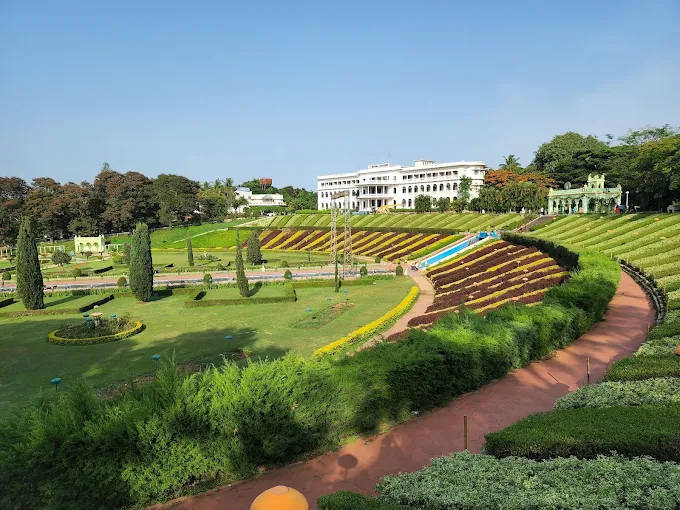
The first thing you notice once you’re actually walking through Brindavan Garden is how much the terraces work against you if you get the timing wrong. It’s built on sloping ground below the KRS Dam, stepping down in levels, and there’s barely any shade anywhere on those open terraces. Show up when the sun is high and you’ll spend more energy fighting the heat than enjoying the garden. The place also has its own rhythm through the day — near-empty right at opening, filling up steadily by late morning, and properly packed in the hour before the fountain show starts. Once you notice that pattern, the itinerary basically writes itself: do the walking and photography when it’s calm, and save your lowest-effort period for whenever the crowd is at its worst anyway.
Suggested Arrival Strategy
Arrive as close to opening time as your travel plans allow. The first hour after the gates open is the single best window of the entire day — the light is soft, the terraces are nearly empty, and the temperature is still manageable even in summer months. Visitors who arrive later, especially after mid-morning, often find themselves doing their walking during the hottest part of the day and competing for space in the most photogenic spots.
If you’re coming from Mysuru city, build in extra time for the drive and for parking, since the approach road can back up on weekends and during holiday periods. Treat your actual “start time” as whenever you’re through the gate and walking, not whenever you leave your hotel.
A Practical Walking Route Through the Garden
Once you’re through the gate, don’t overthink the route. The terraces step down toward the dam in a fairly obvious sequence, connected by staircases and sloped paths, so the simplest approach is also the best one: pick a direction and keep moving that way instead of zig-zagging back and forth trying to see things “in order.”
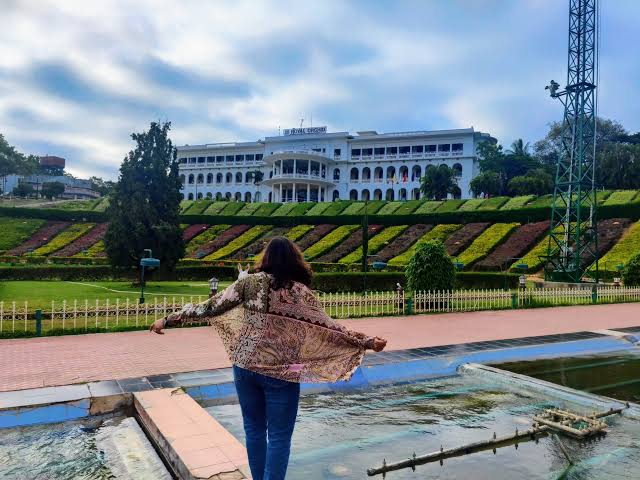
The easiest way to do this is top to bottom — start at the upper terraces near the entrance and work your way down toward the lower terraces and the fountain area by the dam wall. There’s a practical reason for going downhill first rather than saving it for later: the uphill stretches are the tiring part, and you want to be doing those while you’re still fresh, not after you’ve already been walking for two hours in the heat. You’ll pass the main flower beds, the hedge sculptures, and the stepped fountains along the way, and these are genuinely worth pausing for early on — the morning light does them more favours than the flat glare of midday ever will.
One thing worth knowing going in: the terraces look a lot smaller on a map than they feel on foot. Give yourself more time here than seems necessary. Rushing this part just to “get it done” undoes the whole point of showing up early.
The Midday Lull: What to Do When the Garden Gets Hot and Busy
By late morning, the garden starts filling with day-trippers, tour groups, and family visitors, and the sun is at its strongest. This is the least productive part of the day for both photography and comfortable walking, so plan for it rather than fighting it.
Use this window for lower-energy activities: find shaded seating, take a proper food break, let children rest, and review the photos you’ve already taken. If you left the garden premises for lunch, this is also the natural point to do that, since you’re not sacrificing prime garden time to do it. Trying to power through sightseeing during this period usually means less enjoyable photos, more fatigue, and a worse experience overall — it’s better to treat the middle of the day as a deliberate pause than to force a full walking pace through it.
Making the Most of the Gap Before the Musical Fountain
Once the worst of the afternoon heat passes, the garden becomes pleasant again, and this is a good second window for walking through areas you may have skipped in the morning, or revisiting favourite spots in different light. This is also when you should start thinking seriously about positioning for the musical fountain show later in the evening.
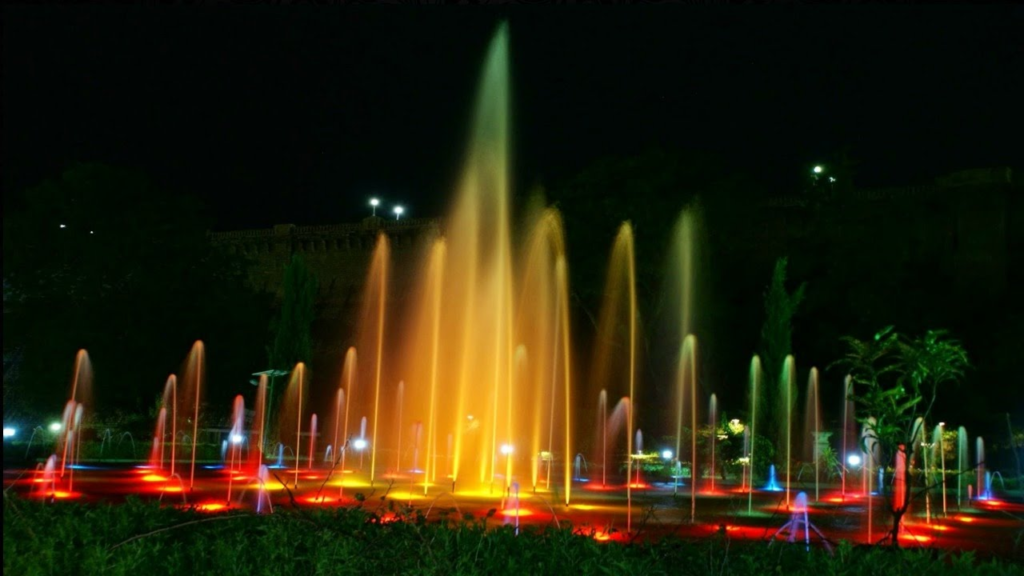
Good viewing spots for the fountain fill up well before the show actually starts, particularly on weekends and holidays. Rather than treating the fountain as something you simply wander over to when it begins, treat the last hour or two of daylight as your transition period: finish your walking, get something to eat if you need to, and then make your way toward the fountain viewing area with enough buffer time to settle into a decent spot before the pre-show crowd builds up. Check the dedicated musical fountain timings guide in advance so you know roughly how long you have before the show starts.
Photography Timing: When the Garden Actually Looks Its Best
Since the morning and late-afternoon windows already line up with when the garden is quietest, they also happen to be when it photographs best — that’s not a coincidence, and it’s worth planning around deliberately if a good picture matters to you. The two most rewarding windows are the first hour after opening and the last hour of usable daylight before the fountain show. Early morning light is soft and low, the terraces are empty of people, and colours in the flower beds tend to look richer without the harsh overhead sun washing them out. The late-afternoon window offers similar advantages, plus warmer tones as the sun gets lower.
Midday visits, by contrast, tend to produce flat, overexposed photos with hard shadows, and the crowds make it difficult to get clean shots of the terraces or fountains. If your schedule only allows one strong photography window, prioritise the morning — it’s more reliable, since evening light is more affected by cloud cover and seasonal haze.
Common Visitor Mistakes to Avoid
None of the advice above matters much if a few avoidable mistakes end up shaping your day instead. A few patterns show up again and again among visitors who leave a bit disappointed, and nearly all of them are avoidable with a little foresight rather than luck.
Arriving late in the morning is the big one — it compresses your best photography window and shoves your walking into the hottest, most crowded stretch of the day. Underestimating the walking is another; the terraces look small and tidy in photos, but they add up to a real amount of uphill and downhill movement, especially if you’re not used to walking in heat.
First-time visitors also tend to show up in flip-flops or heels because “it’s just a garden,” then regret it somewhere around the third staircase — proper walking shoes make a bigger difference here than most people expect. Quite a few visitors leave right after finishing their walk-through too, not realising the musical fountain — often the actual highlight of the trip — happens later in the evening, and end up either missing it entirely or driving straight back into the pre-show traffic jam they were trying to avoid.
And then there’s the assumption that the fountain runs on a fixed schedule every single day of the year, which isn’t always the case — it’s worth confirming this before you build your evening around it. Finally, skipping the midday rest and trying to push through the afternoon on sheer willpower tends to leave people too worn out to properly enjoy the evening show, which is usually the part they came for in the first place.
Adjusting the Itinerary for Families with Children
Families generally get the most out of the day by slowing down the walking pace and building in more frequent breaks, particularly during the midday window. Younger children tire on stairs and slopes faster than adults expect, so it helps to treat the morning walk-through as unhurried rather than a full circuit — see the highlights near the entrance and upper terraces well, rather than pushing to cover every lower terrace at pace.
The midday break becomes more important with kids in the group; use it for a proper rest rather than a quick stop. For the fountain show, arrive earlier than you think you need to, since finding a spot where children can actually see over a crowd matters more than it does for adult visitors standing alone.
Adjusting the Itinerary for Couples
Couples visiting primarily for a relaxed day out benefit from leaning into the two quiet windows — early morning and late afternoon — and treating the crowded midday stretch as an extended break rather than something to push through. There’s less pressure to cover the entire garden methodically; picking a slower pace through the upper and middle terraces in the morning, then a second unhurried walk in the golden-hour window before the fountain, tends to feel more worthwhile than rushing to see everything.
Arriving with enough buffer before the fountain show to find a good spot together is worth prioritising, since the best viewing areas are also the most requested ones once the pre-show crowd gathers.
Adjusting the Itinerary for Senior Citizens
For older visitors, the terraced layout is the main factor to plan around. Stairs and inclines are unavoidable in a full walk-through, so it’s worth deciding in advance how much of the lower terraces you intend to cover, rather than committing to the entire garden and discovering partway through that it’s more physically demanding than expected.
Also SEE: Is Brindavan Gardens Wheelchair Accessible? Complete Accessibility Guide 2026
Doing the walking in the cooler morning window, taking a longer and genuinely restful midday break, and choosing a fountain viewing spot that doesn’t require a long walk or a lot of standing tends to make the day far more comfortable. It’s also worth arriving a little earlier than the general recommendation, since a slower pace through the morning terraces still needs the same soft light and thinner crowds to be enjoyable.
A Realistic One-Day Flow
Strip away the extra detail and a full day at Brindavan Garden generally settles into a fairly natural order: arrive at or near opening time and walk the terraces from top to bottom while the light and crowd levels are favourable; take a genuine break through the hottest, busiest part of the day rather than pushing through it; use the cooler late-afternoon hours for a second, more relaxed walk or to revisit favourite spots; then move toward the musical fountain viewing area with enough time to settle in before the pre-show crowd peaks. The exact hours will shift depending on the season and on the day’s specific gate and fountain timings, which is why it’s worth confirming those details separately before you go.
Read Also: Brindavan Gardens Rules (2026): Visitor Guidelines, Do’s & Don’ts, Food, Camera & Safety Tips
Frequently Asked Questions
Is one day enough to see Brindavan Garden properly, including the musical fountain?
Yes, for most visitors. The garden itself doesn’t require multiple days to walk through, and structuring the day around the morning and late-afternoon windows, with a midday break, is generally enough to cover the main terraces comfortably and still stay for the evening fountain show.
Should I see the garden first or the musical fountain first?
The fountain show happens after dark and is a fixed event, while the garden terraces are what you explore during daylight. In practice this means the garden walk-through naturally comes first, with the fountain as the closing part of the day rather than something you can shuffle earlier.
Is it possible to skip the midday break and just keep walking?
It’s possible, but most visitors find the combination of heat, crowd density, and cumulative walking fatigue makes the midday hours the least enjoyable part of the visit. A break during this window tends to improve, not cost, the overall day.
How much walking should I expect across the whole visit?
More than the terraced layout suggests from photos. Expect a reasonable amount of uphill and downhill movement across multiple levels, particularly if you cover both the upper and lower terraces in addition to walking to and from the fountain viewing area.
Can I leave the garden and enter again with the same ticket?
Re-entry rules can vary depending on the ticket policy in effect at the time of your visit. If you plan to leave the garden and return later the same day, it’s best to confirm the re-entry policy at the ticket counter before exiting.
Is this itinerary suitable for senior citizens and young children?
Yes, but it’s better to follow the itinerary at a relaxed pace. Taking breaks during the hotter part of the day and avoiding unnecessary backtracking through the terraces can make the visit more comfortable for both senior citizens and families with young children.
How much time should I set aside for a complete visit?
If you want to explore the garden comfortably and also watch the musical fountain, setting aside most of the day is a practical choice. A relaxed schedule gives you enough time to walk through the terraces, take breaks during the hotter hours, and enjoy the evening fountain show without feeling rushed.
Final Practical Advice
If you take away just one thing from this itinerary, make it this: stop thinking of it as one long visit and start thinking of it as two short ones, with a deliberate break in between. Visitors who treat the middle of the day as dead time to push through almost always end up tired, sunburnt, and less patient by the time the fountain show actually starts — which is a rough way to end a day you planned around seeing it. Visitors who treat that midday gap as part of the plan, not a failure of it, tend to come away having enjoyed both halves of the day rather than just surviving one to get to the other. Everything else — the exact route, the photo spots, where you sit for the show — sorts itself out once that basic rhythm is in place. Just confirm the day’s actual gate hours and fountain timing before you go, since those are the one thing worth double-checking rather than assuming.
This itinerary is based on the usual visitor flow and the garden’s typical operating schedule. Seasonal conditions, weather, or special events may slightly change the experience on some days.

Rahul Sharma is the founder and editor of BrindavanaGarden.com. He researches Brindavan Gardens, Mysore tourism, and nearby attractions using Karnataka Tourism resources, official websites, visitor reviews, maps, and trusted travel references. Every guide is carefully reviewed and updated to keep practical information such as timings, entry fees, travel tips, and visitor advice as accurate and useful as possible. His goal is to help travelers plan smoother, better-informed trips to Brindavan Gardens and the surrounding Mysore region.